
What Should Pet Owners Know About 100mg CBD Oil for Dogs and Cats?
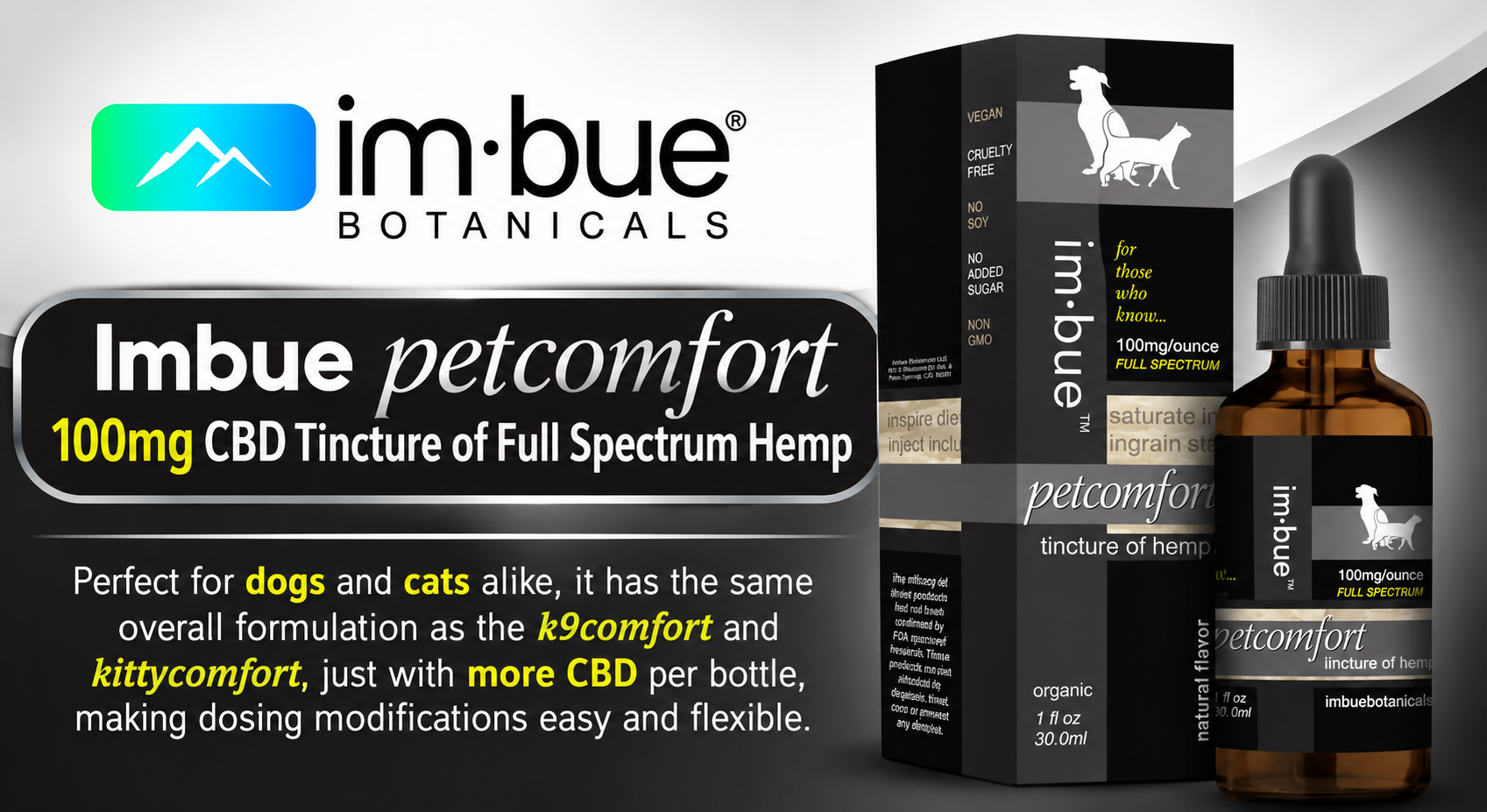
Pet owners often look closely at ingredients and product labels when considering something new for their animals. A 100mg CBD Oil for Dogs and Cats product may appear straightforward, but the total CBD amount does not explain everything about its concentration, ingredients, or suitability for an individual pet. Understanding the label and checking that a formula is specifically intended for animals are important first steps.
Dogs and cats can respond differently to ingredients, and a product that is suitable for one species may not be appropriate for another. Before considering any CBD product, pet owners should review the full formulation and discuss potential risks with a veterinarian. CBD research in companion animals is still developing, so clear information and professional guidance matter more than broad marketing promises.
What Does 100mg Mean on a Pet CBD Label?
The 100mg figure generally refers to the total CBD content in the bottle, not the amount in each dropper or serving. To understand the concentration, check the bottle's total liquid volume and look for details about CBD per milliliter or measured portion. Two products with the same total CBD amount can have different concentrations if their bottle sizes differ.
When comparing 100mg CBD Oil for Pets, look for clearly stated serving information and directions intended for the animal species listed on the label. Do not assume that a total milligram amount tells you how much to give your pet. If the label does not clearly explain its measurements or intended use, ask the manufacturer for clarification and consult a veterinarian before use.
Choosing CBD Oil for Dogs and Cats
A CBD Oil for Dogs and Cats product should have clear labeling that identifies its intended use, ingredients, and cannabinoid content. Check the carrier oil and any added flavorings or other ingredients. Cats and dogs have different sensitivities and dietary needs, so avoid assuming that a formula marketed for dogs is automatically suitable for cats, or vice versa.
The product name Imbue 100mg CBD for Pets identifies a pet-focused formulation, but owners should still review the specific label and directions before making a decision. Confirm which animals the product is intended for, whether the manufacturer provides species-specific instructions, and what precautions apply. Never estimate an amount based only on an animal's size or by adapting directions from a product made for people.
Understanding Full-Spectrum Hemp Extract
Full Spectrum CBD Oil for Pets contains CBD alongside other naturally occurring compounds found in hemp. Depending on the formula, full-spectrum extract may also contain trace amounts of THC. This matters because THC can be toxic to pets, and animals may react differently from humans. Pet owners should not assume that a hemp-derived product is THC-free simply because it is intended for dogs or cats.
Review the product's ingredient list and look for independent laboratory testing. A certificate of analysis, or COA, can provide information about cannabinoid content and the substances tested. Ideally, the report should correspond to the specific product batch. If the THC content, testing details, or ingredient information is unclear, contact the manufacturer and seek veterinary advice before considering the product.
Safety Considerations Before Use
CBD may interact with certain medications, and its safety and effects in dogs and cats are not fully established. Speak with a veterinarian before introducing a CBD product, especially if your pet takes medication, has an existing health condition, or is already using supplements. A veterinarian can help assess possible risks and determine whether the product is appropriate for your animal.
Store all hemp products securely and prevent pets from accessing the bottle or consuming the contents accidentally. Follow the product's stated directions and do not use a CBD product as a replacement for veterinary assessment or prescribed treatment. If your pet accidentally consumes a product or develops unusual symptoms after exposure, contact a veterinarian or an appropriate animal poison service promptly.
Looking for Clear Product Information
When comparing Hemp CBD Products, focus on transparent labels, ingredient details, and accessible testing information rather than claims about guaranteed results. Imbue Botanicals offers hemp-based products, and anyone considering a pet tincture should examine the individual product's formulation, intended species, and safety information. Product details should be clear enough to support an informed conversation with a veterinarian.
The same care applies when browsing CBD Wellness Products and Full Spectrum Hemp CBD options. Check whether the manufacturer explains its extract type, THC content, and laboratory testing practices. Taking time to verify these details can help pet owners avoid assumptions and make more careful decisions about products intended for their animals.
Final Thoughts
Choosing 100mg CBD Oil for Dogs and Cats requires attention to more than the total CBD amount. Review the concentration, intended species, full ingredient list, THC information, and available laboratory reports. Because dogs and cats may respond differently to ingredients and CBD can interact with medications, veterinary guidance is essential before use. Careful label reading and clear product information provide a more responsible starting point than relying on marketing claims alone.
Frequently Asked Questions
Does 100mg mean 100mg of CBD per serving?
Usually, it refers to the total CBD in the bottle. Check the label for the concentration and serving information.
Can the same CBD oil be used for both dogs and cats?
Not automatically. Confirm that the specific formulation is intended for both species and consult a veterinarian before use.
Is full-spectrum CBD oil free of THC?
Not necessarily. Full-spectrum hemp extract may contain trace amounts of THC, which can be toxic to pets.
Should I ask a veterinarian before giving CBD to my pet?
Yes. CBD may interact with medications, and its safety in dogs and cats is not fully established. A veterinarian can help assess potential risks.

 English
 Arabic
 French
 Spanish
 Portuguese
 Turkish
 Dutch
 Italiano
 Russian
 Romaian
 Portuguese (Brazil)
 Greek