
What Questions Should You Ask Before Choosing Liposuction?
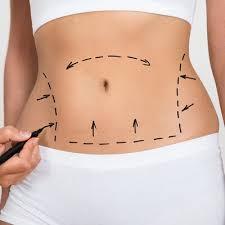
Choosing liposuction is an important decision for anyone considering body contouring. Although the procedure can help remove stubborn fat deposits, it is not a substitute for weight loss or a healthy lifestyle. Understanding the procedure, its limitations, potential risks, and recovery requirements can help you make an informed decision.
Before choosing Liposuction in Dubai, prepare questions for your consultation. Clear answers from a qualified medical professional can help you understand whether the procedure suits your body, expectations, and health needs.
1. Am I a Suitable Candidate for Liposuction?
One of the first questions to ask is whether liposuction is appropriate for you. Suitability depends on several factors, including your general health, weight stability, fat distribution, skin elasticity, and personal goals.
Liposuction is generally intended for people with localized fat deposits that remain despite a healthy diet and regular physical activity. It is not designed to treat obesity or significantly reduce overall body weight.
Ask your surgeon to explain whether your concerns can be addressed through liposuction or whether another approach may be more appropriate. A proper assessment should also consider medical conditions, previous surgeries, medications, and other factors that could influence surgical safety.
2. What Results Can I Realistically Expect?
Understanding realistic outcomes is essential before undergoing any cosmetic procedure. Liposuction can improve body contours by removing selected fat deposits, but results vary from person to person.
Ask which changes are achievable in your specific case and whether your expectations are medically realistic. Your surgeon should explain how your existing body proportions, skin quality, and treatment area may affect the final appearance.
It is also important to understand that liposuction does not guarantee perfectly smooth skin, a particular body shape, or complete symmetry. Swelling can temporarily affect the appearance of treated areas, so final results may take several months to become apparent.
3. Which Areas Can Be Treated?
Liposuction may be used to contour areas such as the abdomen, hips, thighs, upper arms, back, and chin, depending on individual suitability and the treatment technique.
Ask your surgeon which areas could benefit from the procedure and whether treating multiple areas at once is appropriate. The answer depends on factors such as your health, the amount of fat being removed, the planned surgical extent, and the expected recovery needs.
A personalized treatment plan should focus on improving overall proportions rather than simply removing as much fat as possible.
4. What Are the Risks and Possible Complications?
Every surgical procedure carries risks, and liposuction is no exception. Potential complications include infection, bleeding, fluid accumulation, changes in skin sensation, contour irregularities, and reactions to anesthesia. More serious complications, although less common, can also occur.
Ask your surgeon which risks are most relevant to your health and treatment plan. Find out how complications are prevented, monitored, and managed if they occur.
You should also ask whether your medical history or current medications could increase your risk. Be honest about any health conditions, allergies, supplements, and previous procedures. A qualified surgeon should explain the benefits and limitations without promising risk-free results.
5. What Liposuction Technique Will Be Used?
Different liposuction techniques use different methods to loosen and remove fat. The appropriate approach depends on the treatment area, the amount of fat involved, your anatomy, and the surgeon's clinical judgment.
Ask why a particular technique is recommended for you and what advantages or limitations it may have. You can also ask about the type of anesthesia required, the expected duration of surgery, and whether the procedure will be performed on an outpatient basis or require an overnight stay.
The goal is to understand the reasoning behind the recommendation rather than choosing a technique solely because it sounds newer or more advanced.
6. How Long Will Recovery Take?
Recovery varies depending on the extent of surgery, the areas treated, and your individual healing response.
Ask how much time you may need away from work, when you can resume driving, and when light exercise or more strenuous activities may be appropriate. Your surgeon should explain how to care for the treated areas and recognize signs that require medical attention.
You may need to wear a compression garment to help manage swelling and support the healing tissues. Ask how long it should be worn and whether follow-up appointments are necessary.
Increasing pain, fever, spreading redness, shortness of breath, or chest pain should not be ignored. Breathing difficulties or chest pain require emergency medical attention.
7. Will Liposuction Results Last?
Fat cells removed during liposuction do not grow back in the same way, but remaining fat cells can enlarge if you gain weight. Changes in weight, aging, and natural shifts in skin elasticity may influence your body shape over time.
Ask your surgeon how to maintain your results through stable weight management, balanced nutrition, and regular physical activity. You should also discuss whether your skin is likely to adapt to the new contours after fat removal.
Maintaining realistic expectations is important because liposuction changes body contours but does not prevent future weight gain.
8. What Should I Know About the Clinic and Surgeon?
Before proceeding, ask about the surgeon's qualifications, experience with liposuction, and the facility where your procedure will take place. Confirm that the surgeon and facility hold the appropriate licenses and that the setting has suitable anesthesia, monitoring, and emergency arrangements.
Ask who will oversee your recovery, how follow-up appointments are arranged, and whom you should contact if concerns arise after surgery. Understanding these details helps you assess the quality and continuity of care.
Liposuction Consultation at Tajmeels Clinic
At tajmeels clinic dubai, patients considering liposuction should discuss their body-contouring goals, medical history, treatment preferences, and recovery expectations during the consultation process. An individualized assessment helps determine whether liposuction may be suitable and which areas may benefit from treatment. Patients should use the consultation to ask questions about surgical planning, potential complications, expected outcomes, and aftercare. The aim is to support informed decisions based on individual needs rather than unrealistic promises.
Make an Informed Decision Before Liposuction
The right questions can help you understand whether liposuction aligns with your health needs and body-contouring goals. Before proceeding, ensure you understand the expected benefits, possible risks, recovery requirements, and long-term considerations.
Take time to review the information provided, discuss any concerns with your surgeon, and avoid making a decision based solely on promotional claims. A thorough consultation and realistic expectations are essential steps toward making a well-informed choice about liposuction in Dubai.
More Information
Tajmeels Clinic Dubai
WhatsApp: +971 56 203 8751
Phone: tel:+971 43739000
Social Media:

 English
 Arabic
 French
 Spanish
 Portuguese
 Deutsch
 Dutch
 Italiano
 Russian
 Romaian
 Portuguese (Brazil)
 Greek