
How Can You Tell If You Are Ready for Rhinoplasty?
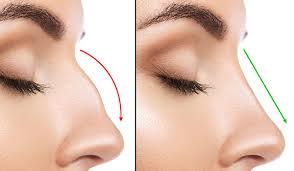
Rhinoplasty, commonly known as nose surgery, is a procedure that changes the shape, size, or proportions of the nose. Some people consider rhinoplasty to address concerns such as a nasal hump, a wide nasal tip, or asymmetry, while others may seek treatment for structural problems that affect breathing. However, deciding whether you are ready for rhinoplasty involves more than wanting a different appearance.
Understanding your motivations, general health, expectations, and recovery requirements can help you make an informed decision. If you are considering Rhinoplasty in Dubai, a professional medical consultation is an important step toward determining whether the procedure is appropriate for your needs.
Understanding Your Reasons for Considering Rhinoplasty
The first step is identifying why you want rhinoplasty. You may feel that your nose does not match your facial proportions, or you may have concerns about its shape following an injury. Some people also explore nose surgery because of breathing difficulties that require medical assessment.
Having a clear, personal reason for considering surgery can help you communicate your goals during a consultation. Your decision should reflect your own preferences rather than pressure from friends, family, social media, or unrealistic beauty standards.
It is also important to understand what rhinoplasty can and cannot achieve. Surgery may improve certain nasal features, but it cannot guarantee perfect symmetry or transform every aspect of your appearance. A realistic understanding of the procedure helps establish appropriate expectations.
Are You Physically Ready for Nose Surgery?
Your general health is an important factor when evaluating your suitability for rhinoplasty. Before recommending surgery, a qualified medical professional will review your medical history, current medications, allergies, previous operations, and any conditions that could affect anaesthesia or healing.
Certain health conditions may require additional assessment or management before surgery. Smoking and nicotine use can also affect circulation and wound healing. Patients should discuss these factors honestly with their healthcare professional and follow personalised instructions before and after the procedure.
Age and physical development are also relevant. Rhinoplasty is generally considered after nasal and facial growth is sufficiently complete. The appropriate timing varies according to individual development and medical circumstances.
Being physically ready does not simply mean feeling healthy. It means understanding the potential risks, completing the necessary assessments, and receiving medical clearance when appropriate.
Do You Have Realistic Expectations About Rhinoplasty Results?
Realistic expectations are essential before undergoing cosmetic nose surgery. Rhinoplasty can modify specific features, but the final result depends on factors such as existing nasal anatomy, skin thickness, cartilage structure, and the surgical approach.
For example, someone with thicker nasal skin may experience a different degree of visible definition than someone with thinner skin. Similarly, correcting a prominent nasal hump may require a different surgical plan from refining the nasal tip.
You should also understand that the final appearance will not be visible immediately. Swelling and bruising are common after surgery, and swelling can take several months to settle. Subtle changes may continue for a year or longer, depending on the individual and the complexity of the procedure.
A helpful question to ask yourself is whether you would still feel comfortable with your decision if the result improved your concerns without creating a completely different nose.
Are You Emotionally Prepared for the Decision?
Emotional readiness is just as important as physical suitability. Rhinoplasty is a personal decision that requires careful consideration of possible benefits, limitations, and risks.
You should feel comfortable making the decision independently and have enough time to consider your options. If you are pursuing surgery because of a recent breakup, bullying, pressure from another person, or a desire to solve broader personal difficulties, it may be helpful to pause and reconsider your motivations.
People experiencing significant distress about their appearance may benefit from discussing these feelings with an appropriate healthcare professional before proceeding. Cosmetic surgery cannot guarantee increased confidence or resolve every concern related to self-image.
Feeling informed, unpressured, and prepared to accept an imperfect or different-than-expected outcome can help you approach the decision more thoughtfully.
Can You Manage the Rhinoplasty Recovery Period?
Recovery planning is another important sign of readiness. Following rhinoplasty, patients may experience swelling, bruising, congestion, and temporary discomfort. A splint may be required, and follow-up appointments are generally needed to monitor healing.
Your recovery plan should account for time away from work or education, transportation after surgery, help with daily activities when needed, and access to medical advice during recovery.
Strenuous exercise and activities that could injure the nose must be avoided for the period recommended by your surgeon. You should also be prepared to attend follow-up appointments and follow instructions about medication, wound care, sleeping position, and activity restrictions.
Before booking surgery, consider whether your work schedule, family responsibilities, and travel plans allow enough time for safe recovery.
Questions to Discuss During a Rhinoplasty Consultation
A consultation helps determine whether your goals align with what surgery can realistically achieve. Prepare questions that address both the procedure and your individual circumstances.
Consider asking:
-
Am I a suitable candidate for rhinoplasty based on my anatomy and medical history?
-
Which nasal features can reasonably be changed?
-
Could surgery affect my breathing or nasal function?
-
What are the potential risks and limitations in my case?
-
How long should I plan for recovery and follow-up care?
-
What happens if the result differs from my expectations?
-
Are non-surgical or alternative treatment options appropriate for my concerns?
A qualified surgeon should explain the proposed approach, possible complications, expected recovery, and alternatives in language you understand. You should have enough time to ask questions without feeling rushed into making a decision.
How Tajmeels Clinic Approaches Rhinoplasty Assessment
At tajmeels clinic dubai, patients considering rhinoplasty in Dubai can discuss their aesthetic goals, nasal concerns, and expectations as part of a personalised assessment. The consultation process should consider facial proportions, nasal structure, breathing concerns, relevant medical history, and individual suitability for surgery.
An appropriate assessment also helps patients understand the limitations of rhinoplasty, possible risks, and recovery requirements before making a decision. Where necessary, further medical evaluation may be recommended to clarify functional concerns or other factors that could influence treatment planning.
The aim of a consultation is to support an informed decision based on individual needs rather than assuming that surgery is suitable for everyone.
When Should You Delay Rhinoplasty?
You may need to postpone rhinoplasty if you have an untreated medical issue, unrealistic expectations, insufficient time for recovery, or uncertainty about your reasons for surgery. An incomplete medical assessment or unresolved questions about risks are also good reasons to wait.
Delaying surgery does not mean you cannot pursue it later. Taking additional time to improve your health, understand the procedure, or arrange recovery support may help you make a more confident and informed choice.
Ultimately, readiness for rhinoplasty comes from a combination of appropriate medical suitability, clear personal goals, realistic expectations, and a practical recovery plan. A thorough consultation with a qualified surgeon can help you determine the safest and most appropriate next step.
More Information
Tajmeels Clinic Dubai
WhatsApp: +971 56 203 8751
Phone: tel:+971 43739000
Social Media:

 English
 Arabic
 French
 Spanish
 Portuguese
 Deutsch
 Turkish
 Dutch
 Italiano
 Russian
 Portuguese (Brazil)
 Greek