
Can Weight Changes Affect the Visible Length of the Penis?
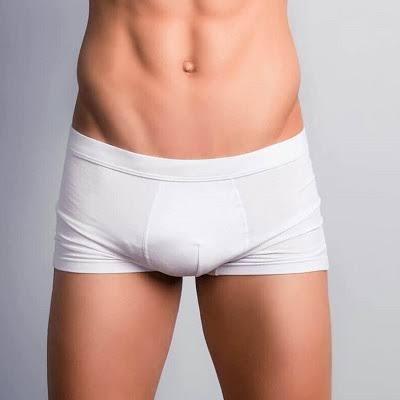
Weight changes can affect how much of the penis is visible, particularly when fat accumulates around the lower abdomen and pubic area. Although losing weight may make more of the penile shaft visible, it does not necessarily increase the penis's actual anatomical length. Understanding this distinction can help men develop realistic expectations and make informed decisions about their health.
For men considering Penile enlargement in Dubai, it is important to understand how body composition, individual anatomy, and medical factors influence the appearance of the penis.
How Does Weight Gain Affect Visible Penile Length?
Weight gain can lead to increased fat accumulation in different areas of the body, including the lower abdomen and the region above the pubic bone. When fat builds up around the base of the penis, it can partially conceal the shaft.
As a result, the penis may appear shorter even though its actual anatomical length has not changed. This difference between visible length and anatomical length is important when evaluating concerns about penis size.
The effect varies from person to person. Some men may notice a more pronounced change because of where their bodies store fat, while others may experience little difference despite gaining weight.
Can Losing Weight Make the Penis Look Longer?
Weight loss may improve the visible appearance of the penis when excess fat around the pubic area is contributing to its concealment. As the surrounding fat layer decreases, more of the penile shaft may become visible.
However, weight loss does not directly lengthen the erectile tissue or increase the penis's anatomical dimensions. The change is primarily related to how much of the existing shaft can be seen.
The degree of visible change depends on several factors:
-
Fat distribution: The amount of fat surrounding the base of the penis influences how much of the shaft is visible.
-
Overall body composition: Changes in abdominal and pubic fat can alter the appearance of the genital area.
-
Skin elasticity: Skin and tissue characteristics may influence how the surrounding area looks after significant weight loss.
-
Individual anatomy: Natural differences in penile structure affect the visible outcome.
Maintaining a healthy weight can also support general wellbeing and may improve mobility, cardiovascular health, and metabolic health.
What Is the Difference Between Actual and Visible Penis Length?
Actual penile length refers to the anatomical length of the penis, while visible length describes the portion that can be seen outside the surrounding tissue.
In some men, fat accumulation around the pubic region can obscure part of the shaft. This can create the impression of a shorter penis without an actual reduction in anatomical length.
Healthcare professionals may use standardized measurement techniques, including measurements from the pubic bone to the tip, to assess length more consistently. The approach depends on the clinical question and whether the penis is measured in a flaccid or stretched state.
Comparing measurements taken under different conditions may produce misleading conclusions. Men who are concerned about changes in size should seek a professional assessment rather than relying entirely on visual comparisons.
Can Significant Weight Gain Cause a Buried Penis?
In some cases, substantial fat accumulation around the pubic region can contribute to a condition known as an adult acquired buried penis. In this condition, the penile shaft may be partially or substantially concealed by surrounding skin and tissue.
A buried penis is not simply a cosmetic concern. Depending on its severity, it may contribute to difficulties with hygiene, urination, sexual activity, skin irritation, or recurrent infections.
Weight management may help some individuals, but it is not always sufficient to address the condition. Skin changes, scarring, inflammation, and other anatomical factors may also contribute.
Men experiencing persistent difficulty exposing the shaft, pain, recurrent infections, or problems with urination should consult a qualified healthcare professional for an appropriate evaluation.
Does Weight Loss Improve Sexual Health?
Weight management can support several aspects of sexual health, although the effects vary between individuals. Excess body weight may be associated with conditions such as type 2 diabetes, cardiovascular disease, and hormonal disturbances, which can affect erectile function.
For some men, improving physical activity, eating a balanced diet, managing chronic conditions, and achieving a sustainable weight may support erectile health and overall confidence.
However, weight loss is not a guaranteed treatment for erectile dysfunction. Persistent erection difficulties may have vascular, hormonal, neurological, medication-related, or psychological causes that require separate assessment.
It is also important to distinguish sexual function from penis size. Improvements in erections or general fitness do not necessarily mean that the anatomical dimensions of the penis have changed.
When Should You Consider Medical Assessment?
A medical assessment may be useful when concerns about visible length persist despite weight changes or when the penis appears unusually concealed.
A healthcare professional may review body weight, medical history, medications, symptoms, and relevant anatomical features. Depending on the findings, the discussion may include weight management, treatment of an underlying condition, or referral to a specialist.
Men should be cautious about products, exercises, and supplements advertised as guaranteed ways to increase penis size. Many non-prescription enlargement claims lack reliable clinical evidence, and some products or techniques may cause injury.
Surgical or other medical interventions should only be considered after a qualified clinician explains the potential benefits, limitations, risks, and realistic outcomes.
How Tajmeels Clinic Can Support an Informed Decision
At tajmeels clinic dubai, men considering penile enlargement in Dubai can discuss their concerns and the factors that may influence the appearance of the penis. An appropriate consultation should help distinguish concerns related to surrounding fat from those involving actual anatomy or another medical condition.
Individual assessment is important because not every concern about visible length requires an enlargement procedure. Where appropriate, patients should receive clear information about available options, evidence-based limitations, potential complications, and whether referral to a specialist is necessary.
A patient-centred approach prioritizes health, privacy, realistic expectations, and informed decision-making rather than promising a particular increase in size.
Conclusion
Weight changes can influence the visible length of the penis, mainly by changing the amount of fat surrounding its base. Losing excess weight may reveal more of the existing shaft, but it does not directly increase anatomical length.
Understanding this distinction can help men make informed choices about weight management and medical care. Anyone experiencing persistent concerns, urinary difficulties, skin problems, or changes in sexual function should seek professional guidance before considering enlargement treatments.
More Information
Tajmeels Clinic Dubai
WhatsApp: +971 56 203 8751
Phone: tel:+971 43739000
Social Media:

 English
 Arabic
 French
 Spanish
 Portuguese
 Deutsch
 Turkish
 Dutch
 Italiano
 Russian
 Romaian
 Portuguese (Brazil)