
How Many Sessions Are Needed for Alopecia Areata Treatment?
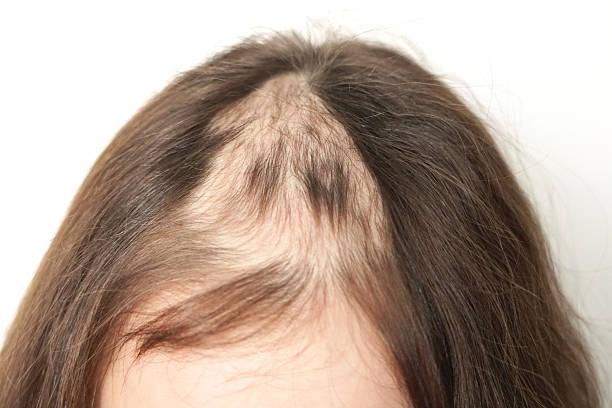
The number of sessions needed to treat alopecia areata depends on the extent of hair loss, the treatment method, and how an individual responds to care. Alopecia areata is an autoimmune condition that causes the immune system to attack hair follicles, resulting in patchy hair loss on the scalp, beard, eyebrows, or other areas of the body. Some patients may notice improvement after a few treatment sessions, while others require ongoing medical management and follow-up appointments. Understanding the available options for alopecia hair treatment can help you develop realistic expectations and discuss a personalized treatment schedule with a qualified dermatologist.
Is There a Fixed Number of Alopecia Areata Treatment Sessions?
No, there is no single number of sessions that works for everyone. Alopecia areata varies significantly between individuals, and treatment plans are based on factors such as the size and number of bald patches, how long the condition has been present, and whether hair loss is continuing.
Some people experience spontaneous regrowth without active treatment, while others benefit from medical therapies. The number of appointments required also depends on whether the treatment involves injections, topical medication, oral medication, or observation.
Factors That Affect Treatment Frequency
Several factors can influence how often you need treatment or follow-up visits:
-
Extent of hair loss: A few small patches may require a different approach from extensive scalp hair loss.
-
Duration of the condition: Long-standing or recurring alopecia areata may require a more individualized management plan.
-
Treatment type: Injections, topical medicines, and oral therapies follow different schedules.
-
Response to treatment: Your dermatologist may adjust the plan based on hair regrowth and side effects.
-
Overall health: Age, medical history, other health conditions, and current medications can influence treatment decisions.
How Many Sessions Are Needed for Corticosteroid Injections?
Corticosteroid injections are one treatment option for selected patients with limited patches of alopecia areata, particularly adults. The medicine is injected into affected areas by a qualified healthcare professional to reduce inflammation associated with the condition.
Typical Injection Schedule
In many clinical settings, injections are administered at intervals of approximately four to six weeks, depending on the treatment protocol and the patient's response. Several sessions may be considered, but there is no guaranteed total number.
Your dermatologist will assess the affected areas during follow-up appointments and determine whether further injections are appropriate. Treatment may be stopped or changed if there is insufficient improvement or if side effects develop.
When Might Hair Regrowth Become Visible?
Some patients begin noticing early regrowth within several weeks to a few months, but the timing varies. New hairs may initially appear fine or lightly pigmented before becoming more noticeable.
Injections do not work for everyone, and they may not be suitable for extensive hair loss. Potential side effects include temporary skin thinning or small depressions at injection sites.
How Long Do Topical Treatments Take to Work?
Topical medications, including prescription corticosteroids, may be recommended for certain patients with localized alopecia areata. These treatments are applied according to a prescribed schedule rather than being administered in a series of clinic sessions.
Treatment Duration and Follow-Up
Your dermatologist may recommend using a topical medicine for a defined period and reviewing the response after several weeks or months. The appropriate duration depends on the medication, the affected area, and your individual circumstances.
Using more medication or applying it more frequently than instructed will not necessarily speed up hair regrowth and may increase the risk of side effects. Follow the prescribed directions and report any irritation or other concerns.
How Many Appointments Are Needed for Oral Medications?
For more extensive or difficult-to-manage alopecia areata, a dermatologist may discuss oral prescription treatments. Certain Janus kinase (JAK) inhibitors are approved for specific forms of severe alopecia areata in some countries.
Monitoring During Oral Treatment
Unlike injection-based treatments, oral medications generally involve ongoing use according to a prescribed regimen, together with regular medical monitoring. The schedule depends on the medication, the patient's health, and local treatment guidance.
Your clinician may recommend blood tests or other screening before and during treatment. These medicines can have significant side effects, including an increased risk of infections and other serious complications, so they require careful assessment.
When Are Results Evaluated?
Treatment response is usually assessed over time rather than after a single appointment. Your dermatologist may examine hair coverage, take progress photographs, and discuss any new patches or side effects.
Do not stop, restart, or adjust an oral medication without professional guidance. The appropriate treatment duration and follow-up plan vary between patients.
Can Hair Regrow Without Multiple Treatment Sessions?
Yes. Some people with limited alopecia areata experience spontaneous regrowth without medical treatment. However, the condition is unpredictable, and hair may regrow in one area while new patches appear elsewhere.
Observation may be reasonable in selected cases after a dermatologist confirms the diagnosis and discusses the likely course. Follow-up is still useful if symptoms change or hair loss spreads.
How Can You Tell Whether Treatment Is Working?
Treatment progress is assessed through changes in hair coverage, the appearance of new patches, and the overall condition of the scalp.
Signs of Improvement
Possible signs of improvement include:
-
Fine new hairs appearing in previously bald patches.
-
Gradual increases in hair length or density.
-
Improved coverage across affected areas.
-
Fewer new patches developing during the observation period.
These changes can take time, and early regrowth does not guarantee complete or permanent recovery.
When Should Your Treatment Plan Be Reviewed?
Contact your dermatologist if hair loss continues to spread, treatment causes significant irritation, or there is little improvement over the expected review period. Your clinician may reassess the diagnosis or consider another treatment option.
Other conditions can resemble alopecia areata, so an examination may be necessary if the pattern of hair loss changes or the diagnosis is uncertain.
How to Prepare for Your Treatment Appointments
A little preparation can help you make the most of each visit and understand your progress.
-
Record when the hair loss began and whether new patches have appeared.
-
Take photographs periodically under similar lighting conditions.
-
Bring a list of medications, supplements, and previous treatments.
-
Report any side effects or changes in your general health.
-
Ask about expected results, treatment intervals, and follow-up requirements.
Avoid unverified hair growth products or supplements that promise a cure. Gentle scalp care and balanced nutrition can support general health, but they cannot replace appropriate medical treatment.
Conclusion
The number of sessions needed for alopecia areata treatment varies according to the severity of hair loss, the chosen therapy, and the individual's response. Corticosteroid injections may require several appointments, topical treatments are generally used over a prescribed period, and oral medications involve ongoing assessment and monitoring. Some people also experience natural regrowth without active treatment.
For a personalized estimate of your treatment schedule, consult a qualified dermatologist about Alopecia Areata Treatment in Riyadh. Royal Clinic Saudia can help you explore suitable treatment options, understand follow-up requirements, and develop a care plan based on your individual needs.

 English
 Arabic
 French
 Spanish
 Portuguese
 Deutsch
 Turkish
 Dutch
 Italiano
 Romaian
 Portuguese (Brazil)
 Greek