
Choosing Quality Work Gloves for Industrial Safety in Pakistan
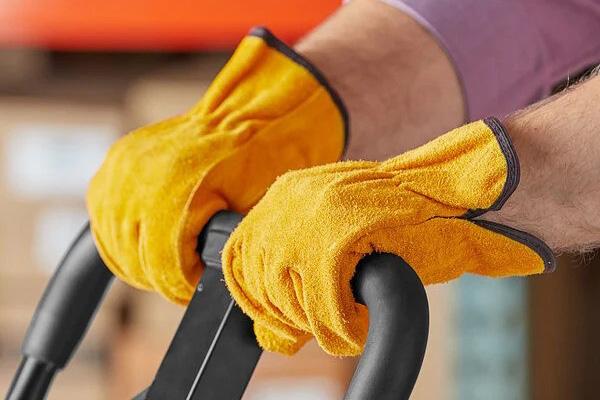
Industrial safety is an essential part of every workplace where employees handle tools, machinery, heavy materials, or potentially hazardous equipment. From construction sites and manufacturing facilities to welding workshops and engineering plants, workers need reliable protective equipment to perform their duties safely. Among the most important items of personal protective equipment (PPE), work gloves help protect hands against cuts, abrasions, heat, friction, and other workplace hazards.
In Pakistan, the growing manufacturing, construction, automotive, and engineering sectors have increased the importance of selecting suitable protective gloves. Businesses must consider product quality, durability, comfort, and the specific risks associated with their operations. Working with experienced suppliers and manufacturers can help organizations make informed decisions and establish safer working environments.
Why Businesses Need Reliable Work Gloves Manufacturers
Choosing experienced work gloves manufacturers is an important step for companies that prioritize employee safety and operational efficiency. Different industries face different workplace risks, meaning that one type of glove may not provide adequate protection for every task.
For example, construction workers may require gloves that provide a strong grip and resistance to abrasion, while warehouse employees often need flexible gloves that support frequent handling and lifting. Workers in mechanical workshops may benefit from gloves designed for particular cutting, handling, or maintenance applications.
Reliable manufacturers understand that protective gloves should be selected according to their intended use. They can help businesses evaluate material options, glove construction, sizing, and other relevant product characteristics. This approach allows employers to select equipment that meets the practical needs of their workforce.
For businesses operating in Pakistan, sourcing appropriate workwear can also support purchasing efficiency and consistent product availability. However, companies should assess suppliers carefully, reviewing product specifications and relevant quality documentation before making purchasing decisions.
Understanding Different Types of Industrial Safety Gloves
Industrial gloves are available in different designs and materials, each intended for particular working conditions. Understanding these differences helps employers select suitable protection without compromising comfort or productivity.
Cut-resistant gloves: These gloves are designed to reduce the risk of hand injuries when handling sharp materials, metal sheets, glass, or cutting tools. Their actual protection depends on the materials used and the applicable performance rating.
General-purpose work gloves: Commonly used in warehouses, workshops, and construction environments, these gloves can provide protection against everyday abrasions and improve grip during material handling.
Heat-resistant gloves: Certain industrial tasks involve contact with hot surfaces or equipment. Gloves designed for these conditions must be selected according to the expected temperature and duration of exposure.
Chemical-resistant gloves: Employees handling cleaning agents, solvents, oils, or industrial chemicals may require gloves made from materials compatible with the substances involved. Employers should consult chemical compatibility information before selecting a product.
Welding gloves: Welding operations create specific hazards, including heat, sparks, and contact with hot metal. Suitable welding gloves are designed for these conditions and should be selected according to the welding process and associated risks.
Selecting the correct glove is not simply a purchasing decision. It is part of a broader workplace safety strategy that includes hazard assessments, employee training, and appropriate protective equipment.
How a Welding Gloves Manufacturer Supports Workplace Protection
A specialized Welding Gloves Manufacturer can help businesses source gloves designed for the demanding conditions of welding and metal fabrication. Welding exposes workers to several hazards, including radiant heat, sparks, molten metal spatter, and sharp metal edges.
The appropriate glove design depends on the welding method, working environment, and level of exposure. Gloves used for different welding applications may vary in material, thickness, lining, flexibility, and cuff length.
Quality welding gloves should provide a practical balance between protection and movement. Welders need sufficient dexterity to handle equipment and position materials accurately, while their hands and wrists require suitable protection from workplace hazards.
Materials commonly used in welding gloves include treated leather and other heat-resistant components. Reinforced seams, durable stitching, and appropriate lining can contribute to product performance when the gloves are manufactured and maintained correctly.
Businesses should also examine relevant product standards, technical specifications, and supplier documentation. No glove should be considered suitable for every welding operation without reviewing its intended application and performance characteristics.
Important Features to Consider When Buying Welding Gloves
Before purchasing welding gloves, companies should assess several features to ensure the selected products suit their operational requirements.
Heat and spark resistance: Gloves must be appropriate for the heat exposure and sparks associated with the intended welding process. Product specifications should support the required application.
Material quality: Durable materials can help gloves withstand demanding working conditions. Buyers should evaluate the material, construction, and suitability for the tasks involved.
Comfort and flexibility: Gloves that fit properly can help workers maintain control over tools and equipment. Incorrect sizing may reduce dexterity or increase discomfort during extended use.
Seam strength: Strong seams and appropriate construction contribute to durability. Regular inspection is important because damaged stitching can reduce the protective performance of a glove.
Cuff design: Suitable cuffs help protect the wrist area and can provide additional coverage against sparks and hot particles when used correctly with other protective clothing.
Maintenance requirements: Employers should understand how gloves must be cleaned, inspected, stored, and replaced. Damaged or unsuitable gloves should not remain in service.
Considering these factors before placing an order can help businesses select products that support both worker protection and practical performance.
The Importance of Quality Control in Glove Manufacturing
Quality control is essential in the production of industrial safety gloves. Protective equipment must be appropriate for its intended use, and inconsistent materials or poor construction may affect its reliability.
Manufacturing quality checks can include examining materials, inspecting stitching, checking dimensions, reviewing product consistency, and verifying applicable performance requirements. The specific tests depend on the glove type and the standards relevant to its intended application.
Businesses purchasing gloves in bulk should request clear product specifications and supporting documentation where appropriate. They should also confirm that the products supplied match the agreed requirements.
For welding gloves in particular, buyers should avoid relying solely on appearance or thickness as indicators of protection. Performance depends on the complete product design, materials, construction, and applicable test results.
A structured procurement process can help organizations make more informed purchasing decisions and reduce the likelihood of selecting unsuitable protective equipment.
Benefits of Choosing the Right Workwear Supplier in Pakistan
Selecting a suitable workwear supplier can simplify the purchasing process for businesses across Pakistan. Industrial companies often require different glove types for different departments, making product selection and supply consistency important considerations.
A dependable supplier should communicate clearly about product specifications, available sizes, intended applications, ordering requirements, and delivery arrangements. Businesses should also ask about customization options where branding or specific product requirements are relevant.
When evaluating suppliers, companies can compare product quality, technical information, pricing, availability, and customer support. The lowest price is not always the most economical choice if a product fails to meet workplace requirements or needs frequent replacement.
Employers should also consider employee feedback. Workers who use gloves daily can provide useful information about comfort, grip, fit, and suitability for specific tasks. Combining this feedback with a proper risk assessment can improve purchasing decisions.
Best Practices for Workplace Glove Safety
Even well-designed gloves cannot eliminate every workplace hazard. Employers must establish procedures that ensure protective equipment is used correctly and consistently.
First, conduct a workplace risk assessment to identify the hazards employees may encounter. Second, select gloves that are suitable for the relevant tasks and verified against applicable requirements. Third, train workers to inspect their gloves before use and recognize signs of wear or damage.
Gloves should fit correctly and remain appropriate for the activity being performed. For example, loose gloves may create additional risks around certain rotating machinery, while some chemical tasks require specific materials that provide suitable resistance.
Employees should follow workplace instructions regarding cleaning, storage, replacement, and disposal. Managers should review protective equipment periodically, particularly when processes, materials, or working conditions change.
For welding operations, glove selection should form part of a wider safety program that includes suitable eye and face protection, protective clothing, ventilation, and safe equipment-handling procedures.

 English
 Arabic
 French
 Spanish
 Portuguese
 Deutsch
 Turkish
 Dutch
 Italiano
 Russian
 Romaian
 Portuguese (Brazil)