
Best Foods for Hair Regrowth: What to Eat for Stronger, Healthier Hair
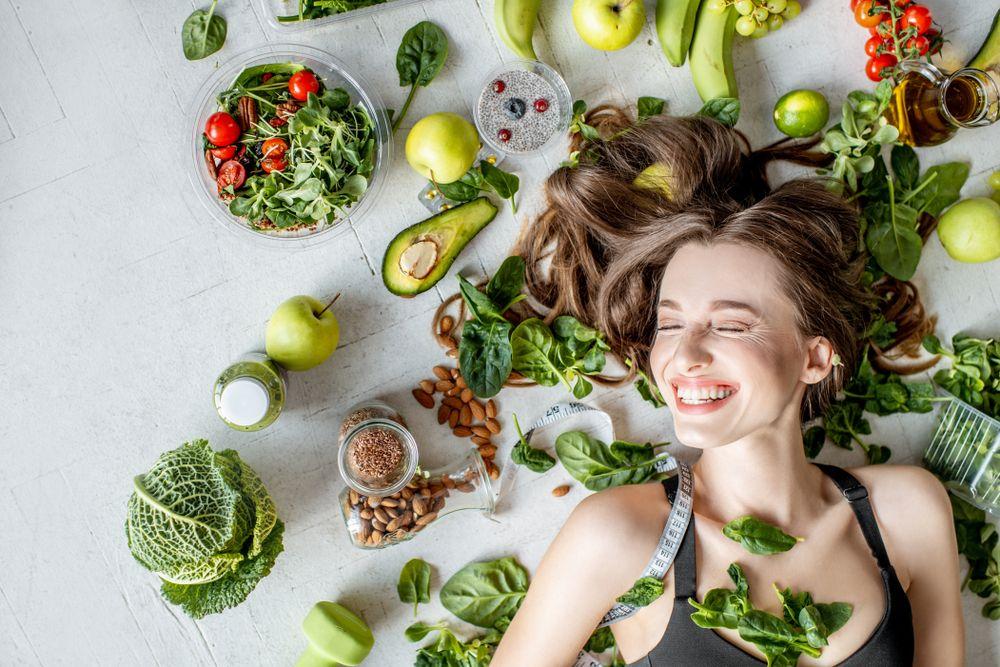
Healthy hair is often associated with good grooming habits, quality hair care products, and regular scalp maintenance. However, nutrition also plays an important role in maintaining hair strength, supporting normal growth, and reducing hair breakage. Hair follicles require a consistent supply of protein, vitamins, minerals, and healthy fats to function properly. When the body does not receive enough of these essential nutrients, hair may become weak, lose its natural shine, or experience increased shedding.
Although no single food can guarantee faster hair growth, a balanced diet can help create the right conditions for healthy hair. Nutritional deficiencies, restrictive eating habits, and inadequate protein intake may contribute to certain types of hair loss. Addressing these factors can support the hair growth cycle and improve overall hair health over time.
Understanding which foods provide the nutrients needed by hair follicles can make everyday meal planning more effective. From eggs and leafy vegetables to nuts, seeds, and fatty fish, several readily available foods can contribute to a nutrient-rich diet.
This article explores the relationship between nutrition and hair health, identifies foods worth including in daily meals, and explains how to build sustainable eating habits that support stronger, healthier-looking hair.
Understanding the Connection Between Nutrition and Hair Growth
Hair grows through a natural cycle consisting of growth, transition, and resting phases. Hair follicles depend on adequate energy and nutrients to maintain these processes. Since hair production is not essential for immediate survival, the body may conserve resources during periods of nutritional deficiency, potentially affecting hair growth.
Protein is particularly important because hair is primarily composed of keratin, a structural protein. Iron supports oxygen transport throughout the body, while zinc contributes to normal cell division and tissue repair. Certain vitamins also help maintain normal physiological functions that are important for healthy hair.
However, hair loss has several possible causes, including genetics, hormonal changes, thyroid disorders, certain medications, illness, and physical or emotional stress. Improving nutrition may help when dietary deficiencies contribute to the problem, but it will not necessarily reverse every type of hair loss.
A practical approach involves identifying nutritional gaps, eating a varied diet, and seeking medical advice when shedding is persistent, severe, or accompanied by other symptoms.
1. Eggs: A Convenient Source of Protein and Biotin
Eggs are a valuable addition to a balanced diet because they provide high-quality protein and several essential nutrients. Their protein content supports the body's production of keratin and other structural proteins involved in maintaining healthy tissues.
Eggs also contain biotin, a B vitamin involved in various metabolic processes. Severe biotin deficiency can contribute to hair loss, although it is uncommon in people who eat a varied diet. Taking additional biotin does not necessarily improve hair growth when a deficiency is absent.
Boiled eggs, omelettes, and vegetable-based scrambled eggs are convenient options for breakfast or lunch. People who do not eat eggs can obtain protein from lentils, beans, tofu, dairy products, and other suitable alternatives.
The key is consistency rather than relying on one ingredient. Including sufficient protein across daily meals can help meet the body's nutritional requirements and support normal hair maintenance.
2. Spinach and Leafy Greens for Iron and Folate
Leafy green vegetables such as spinach, amaranth leaves, and fenugreek leaves supply folate, vitamin C in varying amounts, and other beneficial micronutrients. Some leafy greens also provide iron, which is needed to produce haemoglobin and transport oxygen through the bloodstream.
Low iron levels can be associated with hair shedding in some individuals, particularly when iron deficiency develops because of inadequate dietary intake or blood loss. However, not everyone experiencing hair loss has an iron deficiency, so supplementation should not be started without appropriate guidance.
Plant-based iron is less readily absorbed than iron from many animal foods. Pairing iron-rich vegetables with vitamin C sources, such as tomatoes, lemons, guava, or bell peppers, can improve absorption.
Adding leafy greens to dals, soups, vegetable curries, and salads is a simple way to increase dietary variety. Regular consumption supports general nutritional health while contributing nutrients involved in normal hair growth.
3. Fatty Fish for Omega-3 Fatty Acids and Protein
Fatty fish such as salmon, sardines, mackerel, and trout provide protein, vitamin B12, and omega-3 fatty acids. These nutrients contribute to overall health, while protein supplies amino acids needed to maintain hair structure.
Omega-3 fatty acids are important components of cell membranes and play roles in normal inflammatory processes. Although research into omega-3 supplementation and hair growth remains limited, including fish in a balanced diet can provide valuable nutrients that support general wellbeing.
For people who eat fish, including it in meals a couple of times per week can be a practical dietary choice. Grilled fish, lightly cooked curries, and baked preparations are useful options.
Vegetarians and vegans can obtain plant-based omega-3 fatty acids from flaxseeds, chia seeds, and walnuts. These foods provide alpha-linolenic acid, which the body can convert into other omega-3 fatty acids, although the conversion is limited.
A varied diet that includes healthy fats and sufficient protein is more useful than depending on one food to address every hair concern.
4. Nuts and Seeds for Healthy Fats and Essential Minerals
Nuts and seeds are convenient sources of healthy fats, protein, vitamin E, and minerals such as zinc. Almonds, walnuts, pumpkin seeds, sunflower seeds, and sesame seeds can help increase the nutritional value of everyday meals.
Zinc contributes to normal cell division, protein synthesis, and tissue maintenance. Inadequate zinc intake may affect hair health, but consuming excessive amounts of zinc supplements can cause adverse effects and interfere with copper absorption.
Vitamin E acts as an antioxidant, helping protect cells from oxidative damage. Nuts and seeds provide this vitamin in varying amounts, alongside other beneficial nutrients.
A small handful of mixed nuts or a spoonful of seeds can be added to oatmeal, yoghurt, smoothies, or salads. They also make convenient snacks between meals.
Portion awareness is important because nuts and seeds are energy-dense. The goal is to include them as part of a balanced eating pattern rather than consuming unusually large quantities in the hope of accelerating hair growth.
5. Lentils, Beans, and Chickpeas for Plant-Based Protein
Plant-based protein sources are especially useful for vegetarians and vegans who want to maintain a nutrient-rich diet. Lentils, chickpeas, kidney beans, black beans, and mung beans supply protein, iron, folate, and other essential nutrients.
Because hair is largely made of keratin, inadequate protein intake may affect the body's ability to maintain normal hair production. People following restrictive diets should pay particular attention to consuming sufficient protein throughout the day.
Indian meals make it relatively easy to incorporate these foods. Dal, rajma, chole, sprouts, and bean-based salads can all contribute to daily protein intake. Combining legumes with grains, vegetables, and other protein sources also improves dietary variety.
For people searching for the best food for hair regrowth, legumes deserve attention because they supply several nutrients associated with normal hair health. Nevertheless, their benefits depend on the overall diet, and they cannot independently treat genetic hair loss or medical conditions.
A varied selection of legumes, vegetables, whole grains, and other protein-rich foods provides a practical foundation for long-term nutritional health.
6. Sweet Potatoes and Carrots for Beta-Carotene
Sweet potatoes and carrots contain beta-carotene, which the body can convert into vitamin A according to its needs. Vitamin A supports normal cell growth and helps maintain healthy skin, including the scalp.
However, more vitamin A is not necessarily better. Excessive intake of preformed vitamin A, particularly from high-dose supplements, can contribute to hair loss and other health problems. Eating ordinary portions of beta-carotene-rich vegetables is generally a safer way to obtain this nutrient.
Carrots can be included in salads, soups, and cooked vegetable dishes. Sweet potatoes work well when roasted, steamed, or added to balanced meals.
These vegetables also provide dietary fibre and contribute to overall nutritional quality. Including different coloured fruits and vegetables throughout the week helps supply a wider range of vitamins, minerals, and plant compounds.
The objective should be nutritional balance rather than deliberately increasing one vitamin in the hope of producing faster or thicker hair.
7. Greek Yoghurt and Other Dairy Products for Protein and Vitamin B12
Dairy products such as milk, yoghurt, and cheese can provide protein, calcium, and vitamin B12. Greek yoghurt is particularly useful for people seeking a convenient, protein-rich food to include in breakfast or snacks.
Vitamin B12 is essential for normal red blood cell formation and neurological function. People who follow strict vegan diets may be at greater risk of inadequate B12 intake unless they regularly consume fortified foods or an appropriate supplement.
Dairy products can be combined with fruits, oats, seeds, or nuts to create balanced meals. Unsweetened yoghurt is a useful option for people who want to limit added sugar.
Those who avoid dairy can consider fortified plant-based alternatives, checking their labels for protein, vitamin B12, and other nutrients. Fortification levels differ between products.
Adequate protein and micronutrient intake supports the body's normal functions, but consuming extra dairy will not automatically stimulate new hair growth when nutritional needs are already met.
8. Guava, Oranges, and Berries for Vitamin C
Vitamin C supports collagen production and helps the body absorb non-haem iron from plant foods. This makes vitamin C-rich fruits particularly useful when meals include lentils, beans, spinach, and other plant-based sources of iron.
Guava, oranges, strawberries, kiwi, and other fruits can help meet daily vitamin C requirements. They also contribute fibre, water, and a variety of beneficial plant compounds.
For example, adding guava to an afternoon snack or serving citrus fruit alongside a meal containing lentils can improve the overall nutritional value of the diet. Fresh fruit is generally preferable to relying on sugary fruit drinks for routine nutrient intake.
Vitamin C deficiency can affect health, but consuming very large quantities beyond normal requirements does not guarantee better hair growth. A sensible approach is to eat a variety of fruits and vegetables regularly.
Combined with adequate protein, iron, and other nutrients, vitamin C-rich foods can contribute to a dietary pattern that supports normal hair health.
9. Whole Grains for B Vitamins and Everyday Energy
Whole grains such as oats, brown rice, whole wheat, and quinoa provide carbohydrates, fibre, and varying amounts of B vitamins and minerals. These nutrients help the body obtain energy from food and maintain normal metabolic functions.
Eating too few calories over an extended period can affect the hair growth cycle. This may happen with crash diets, prolonged fasting without adequate nutrition, or restrictive eating patterns that eliminate important food groups.
Whole grains can help create satisfying meals when combined with protein, vegetables, and healthy fats. For example, oatmeal with yoghurt and nuts makes a balanced breakfast, while brown rice served with dal and vegetables provides a nutritious lunch.
Whole grains are not a direct treatment for hair loss, but they can support an eating pattern that supplies the energy and nutrients required for normal bodily functions.
What to Eat for Good Hair Growth: Building a Balanced Daily Diet
Knowing which foods contain beneficial nutrients is helpful, but combining them consistently is even more important. People wondering what to eat for good hair growth should focus on variety, adequate calories, sufficient protein, and nutrients from different food groups.
A practical daily meal pattern might include:
-
Breakfast: Oatmeal with yoghurt, nuts, and fresh fruit, or eggs with whole-grain toast.
-
Lunch: Dal, brown rice or whole wheat roti, leafy vegetables, and a vitamin C-rich fruit.
-
Afternoon snack: A small portion of almonds, walnuts, pumpkin seeds, or roasted chickpeas.
-
Dinner: Fish, tofu, paneer, or beans served with vegetables and whole grains.
-
Hydration: Drink water regularly according to thirst, activity, and environmental conditions.
This is a flexible example rather than a strict prescription. Individual nutritional needs vary according to age, activity level, dietary preferences, and medical circumstances.
People following vegetarian or vegan diets can obtain many important nutrients from legumes, soy products, nuts, seeds, whole grains, and fortified foods. Vitamin B12 deserves particular attention in vegan diets, while iron intake may require additional consideration depending on individual circumstances.
Consistency matters more than following a complicated diet. A sustainable eating pattern is generally more useful than eliminating entire food groups or purchasing expensive products promising rapid hair regrowth.
Foods and Habits That May Work Against Hair Health
A nutritious diet is only one part of maintaining healthy hair. Certain eating habits may make it more difficult to meet nutritional requirements.
Crash dieting can reduce calorie and protein intake, potentially triggering increased shedding. Highly restrictive diets may also lead to deficiencies in iron, zinc, and other nutrients. Excessive alcohol consumption can contribute to poor nutritional intake and other health problems.
It is also important to avoid taking high-dose supplements without a clear reason. Excessive intake of certain nutrients, including vitamin A and selenium, can contribute to hair loss. Iron supplements can be harmful when taken unnecessarily, and biotin supplements may interfere with some laboratory tests.
Instead of automatically purchasing hair-growth supplements, consider reviewing your usual meals and discussing persistent concerns with a qualified healthcare professional. Blood tests may be appropriate when symptoms or medical history suggest a deficiency.
How Long Does Nutrition Take to Affect Hair Growth?
Hair growth is gradual, so dietary changes should not be judged after only a few days. Hair follicles follow a natural cycle, and improvements associated with correcting a nutritional deficiency may take several months to become noticeable.
Results depend on the underlying cause of hair loss, the severity of any deficiency, and individual health factors. Even with a balanced diet, genetic hair loss or certain medical conditions may require specific treatment.
Taking photographs under similar lighting conditions can help track visible changes over time. However, sudden shedding, bald patches, scalp inflammation, or persistent thinning should not be ignored while waiting for dietary changes to work.
A dermatologist can help identify the cause and recommend suitable treatment. Nutrition is best viewed as a foundation for healthy hair rather than a replacement for medical assessment when needed.
Conclusion
Healthy hair begins with a balanced approach to nutrition and daily care. Eggs, fatty fish, leafy greens, legumes, nuts, seeds, whole grains, dairy products, and fresh fruits can provide nutrients that support normal hair growth and overall wellbeing.
The most effective dietary strategy is not to rely on a single superfood. Instead, focus on consuming sufficient protein and calories, including a variety of nutrient-rich foods, and correcting deficiencies when they are identified.
For anyone exploring the best food for hair regrowth or deciding what to eat for good hair growth, consistency and nutritional balance are sensible starting points. Avoid extreme diets and unnecessary supplements, and seek professional advice if hair loss is persistent or unexplained.
Ultimately, a well-planned diet can help create favourable conditions for healthier hair, while realistic expectations and appropriate medical care ensure that underlying causes are not overlooked.

 English
 Arabic
 French
 Spanish
 Portuguese
 Deutsch
 Turkish
 Dutch
 Russian
 Romaian
 Portuguese (Brazil)
 Greek