
Skin Pigmentation in Dubai: Causes and Treatments
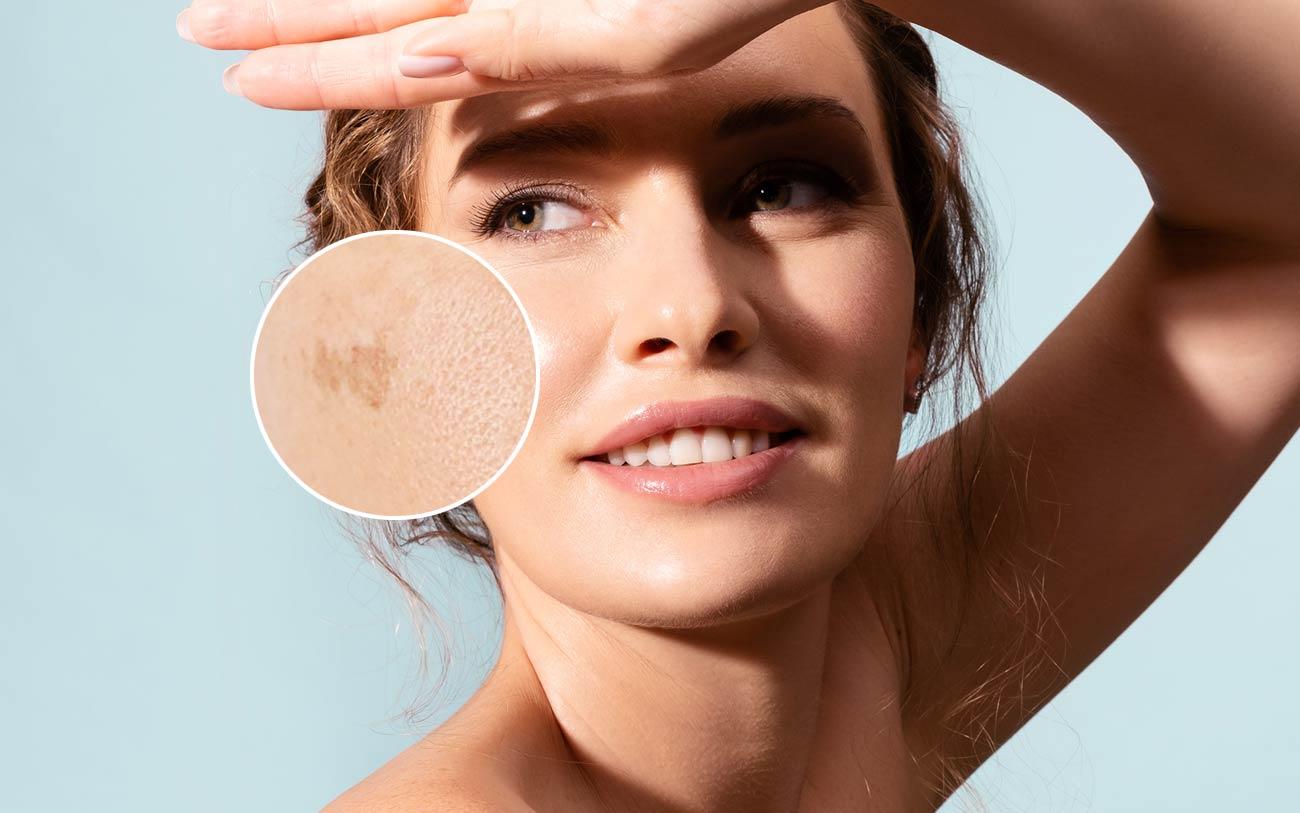
Skin pigmentation is a common concern for people who want a clearer, more even complexion. Exposure to intense sunlight, hormonal changes, acne marks, and other skin conditions can contribute to dark patches and uneven skin tone. Understanding the causes of skin pigmentation in Dubai can help you explore suitable treatment options and develop a skincare routine that supports a healthier-looking complexion.
What Is Skin Pigmentation?
Skin pigmentation refers to the colour of the skin, which is largely determined by melanin, a natural pigment produced by specialised skin cells. When melanin production increases or becomes unevenly distributed, darker areas may develop on the face or body.
Hyperpigmentation is the term used for areas that appear darker than the surrounding skin. These changes can affect the cheeks, forehead, upper lip, chin, and other areas exposed to sunlight. The appearance and severity of pigmentation vary depending on its underlying cause and individual skin characteristics.
Common Causes of Skin Pigmentation in Dubai
Sun Exposure and UV Damage
Dubai's sunny climate makes sun protection an important part of everyday skincare. Ultraviolet radiation can stimulate melanin production, contributing to sunspots, dark patches, and uneven skin tone. Repeated exposure without adequate protection may make existing pigmentation more noticeable.
Hormonal Changes and Melasma
Melasma is a pigmentation condition that often appears as brown or grey-brown patches on the cheeks, forehead, and upper lip. Hormonal fluctuations, pregnancy, and certain medications may contribute to its development. Sun exposure can also worsen melasma, making consistent sun protection particularly important.
Acne Marks and Skin Inflammation
Pimples, irritation, and other inflammatory skin conditions can leave dark marks after the original problem has healed. This is known as post-inflammatory hyperpigmentation. Picking spots or using harsh skincare products may increase irritation and make these marks more persistent.
Ageing and Environmental Factors
As skin changes over time, sunspots and areas of uneven pigmentation may become more visible. Environmental exposure and repeated skin irritation can also contribute to changes in complexion.
Treatment Options for Skin Pigmentation in Dubai
The most suitable approach depends on the type of pigmentation, its depth, the individual's skin tone, and any underlying skin condition. A personalised assessment can help determine which options are appropriate.
Laser Pigmentation Treatment
Laser treatments use targeted light energy to address certain types of unwanted pigmentation. Depending on the technology used, they may help reduce the appearance of selected dark spots and improve overall skin clarity.
However, laser treatment is not suitable for every pigmentation concern. Some skin types are more susceptible to burns or post-treatment darkening, particularly if the wrong settings are used. Melasma can also recur or worsen after certain procedures. Proper assessment, careful treatment selection, and sun protection are therefore essential.
Chemical Peels
Chemical peels use carefully selected exfoliating solutions to remove some of the outer layers of the skin. Depending on the formulation and concentration, they may help improve superficial pigmentation, acne marks, and uneven texture.
Results vary according to the peel used and the condition being treated. Stronger peels can cause irritation and may worsen pigmentation in susceptible skin, so treatment should be selected according to individual needs.
Topical Skincare Treatments
Certain skincare ingredients can help improve the appearance of hyperpigmentation over time. Depending on the cause and skin sensitivity, options may include vitamin C, azelaic acid, niacinamide, retinoids, or other pigment-targeting ingredients.
These products should be introduced carefully to reduce the risk of irritation. Some ingredients, including prescription treatments, may not be suitable for everyone. Consistent use and realistic expectations are important because visible improvement often takes several weeks or longer.
Treatment for Melasma
Melasma often requires ongoing management rather than a single procedure. A suitable routine may combine broad-spectrum sunscreen, carefully chosen topical products, and selected professional treatments when appropriate.
Because melasma can be persistent and may return after improvement, treatment should focus on controlling triggers and maintaining results. Aggressive procedures are not always the best option, particularly for skin that is prone to inflammation or post-treatment pigmentation.
How to Prevent Dark Spots and Uneven Skin Tone
Preventive skincare plays an important role in reducing the appearance of existing pigmentation and limiting the development of new dark spots.
Use Sunscreen Every Day
Apply a broad-spectrum sunscreen with SPF 30 or higher each morning. Reapply approximately every two hours when outdoors and after swimming or heavy sweating. Hats, sunglasses, and shade can provide additional protection during periods of strong sunlight.
Follow a Gentle Skincare Routine
Choose cleansers and moisturisers that suit your skin type. Avoid excessive exfoliation and products that cause persistent redness, burning, or peeling, as irritation can trigger further discoloration.
Avoid Picking Acne and Blemishes
Allow spots to heal naturally and use suitable acne treatments to reduce inflammation. Managing acne early may help minimise the dark marks that can remain after breakouts.
Be Consistent With Your Routine
Pigmentation usually improves gradually rather than overnight. Combining appropriate skincare with sun protection and a suitable treatment plan can help maintain more even-looking skin over time.
How to Choose the Right Pigmentation Treatment
Before selecting a treatment, it is important to understand what is causing the discoloration. Sunspots, melasma, acne marks, and other pigment-related conditions can look similar but may respond differently to treatment.
Consider the following factors when exploring your options:
Skin type and tone: Some procedures carry a higher risk of irritation or increased pigmentation in darker skin tones.
Type of pigmentation: Superficial dark spots may respond differently from deeper pigmentation or melasma.
Downtime and recovery: Some treatments cause temporary redness, sensitivity, peeling, or swelling.
Expected results: Improvement may require several sessions or a consistent home-care routine, and pigmentation can return.
Long-term maintenance: Sun protection and appropriate skincare are important even after the skin's appearance improves.
A qualified professional can assess the affected areas, review relevant medical and skincare history, and recommend an approach based on individual skin needs.
How Long Does Pigmentation Treatment Take?
The time needed to see improvement depends on the cause, depth, and severity of the pigmentation, as well as the selected treatment. Some superficial dark spots may gradually fade over several weeks, while melasma and deeper discoloration can take months of consistent management.
Certain treatments require multiple sessions, and results are not always permanent. Following aftercare instructions, avoiding excessive sun exposure, and using suitable skincare products can support recovery and help maintain improvements.
Why Professional Assessment Matters
Although many pigmentation products are available, using the wrong treatment may irritate the skin or make discoloration more noticeable. A professional assessment can help distinguish between different types of pigmentation and identify whether another skin condition needs attention.
New, rapidly changing, irregular, or unusual dark spots should be assessed by an appropriate medical professional rather than treated solely as a cosmetic concern.
Conclusion
Skin pigmentation can develop for several reasons, including sun exposure, hormonal changes, acne, and natural skin ageing. Understanding the cause is the first step towards choosing a suitable treatment, whether that involves targeted skincare, chemical peels, selected laser procedures, or a long-term approach to managing melasma. Daily sunscreen use and gentle skincare remain essential for supporting a more even complexion. For people exploring personalised options for skin pigmentation in Dubai, TAJMEELS CLINIC can be considered when researching available aesthetic skin treatments and discussing an approach suited to individual skin concerns.

 English
 Arabic
 French
 Spanish
 Portuguese
 Deutsch
 Turkish
 Dutch
 Italiano
 Russian
 Portuguese (Brazil)
 Greek