
What Is the Difference Between a Common Mole and an Atypical Mole?
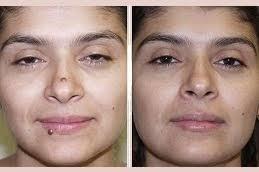
Moles are common skin growths that can appear anywhere on the body. They may develop during childhood, adolescence, or adulthood and vary in colour, shape, and size. While most moles are harmless, some have features that require closer medical attention. Understanding the difference between a common mole and an atypical mole can help you recognise changes in your skin and seek appropriate advice.
For people considering Mole Removal in Dubai, knowing these differences is particularly important. A mole should be assessed before cosmetic removal if its appearance is unusual or changing. Professional evaluation helps determine whether the growth is benign or needs further investigation.
What Is a Common Mole?
A common mole, medically known as a melanocytic nevus, develops when pigment-producing cells called melanocytes grow in clusters. These moles can appear flat or raised and are usually brown, tan, pink, or close to the natural skin colour.
Common moles generally have the following characteristics:
-
Uniform colour: The mole usually has one consistent shade.
-
Regular shape: It is often round or oval, with clearly defined borders.
-
Relatively small size: Many common moles are smaller than 6 millimetres, although size alone cannot determine whether a mole is harmless.
-
Stable appearance: Once established, a common mole usually remains similar in size, shape, and colour.
Common moles may appear on the face, neck, arms, back, and other areas of the body. Some become slightly raised over time or develop hairs. These features do not automatically indicate a problem.
However, even a mole that previously appeared normal should be examined if it develops unusual changes.
What Is an Atypical Mole?
An atypical mole, also called a dysplastic nevus, has an appearance that differs from that of an ordinary mole. It may have an irregular shape, uneven borders, or multiple shades of colour.
Atypical moles are not the same as melanoma, a serious form of skin cancer. However, people with atypical moles may have an increased risk of melanoma, particularly if they have numerous atypical moles or a family history of the disease.
Common characteristics of atypical moles include:
-
Irregular borders: The edges may appear uneven, blurred, or poorly defined.
-
Uneven colouring: The mole may contain different shades of brown, tan, pink, or red.
-
Variable size: Some atypical moles are larger than ordinary moles.
-
Unusual appearance: A mole may look noticeably different from the person's other moles.
These characteristics are useful warning signs, but appearance alone cannot provide a definitive diagnosis. A dermatologist may examine the mole with a dermatoscope and recommend a biopsy when necessary.
Common Mole vs Atypical Mole: Key Differences
Although both types develop from pigment-producing cells, their visible features and clinical significance can differ.
Shape and borders: Common moles generally have regular outlines, while atypical moles may have uneven or irregular edges.
Colour: A common mole often has a consistent colour. An atypical mole may display several shades within the same growth.
Appearance over time: Common moles usually remain stable, whereas a new or changing mole deserves attention. Some atypical moles remain unchanged for years, so stability alone does not confirm that a mole is harmless.
Melanoma risk: Most common moles are benign. Atypical moles are also usually noncancerous, but they can indicate an increased risk of melanoma, especially when other risk factors are present.
It is important to remember that melanoma can sometimes resemble an ordinary mole. Medical assessment is more reliable than self-diagnosis.
How to Recognise Warning Signs in a Mole
A useful method for checking moles is the ABCDE guide, commonly used to identify possible warning signs of melanoma.
-
A – Asymmetry: One half looks different from the other.
-
B – Border: The edges are irregular or poorly defined.
-
C – Colour: Several colours or uneven pigmentation are present.
-
D – Diameter: The mole is larger than approximately 6 millimetres, although melanomas can be smaller.
-
E – Evolving: The mole changes in size, shape, colour, texture, or symptoms.
Other warning signs include persistent itching, bleeding, crusting, or a sore that does not heal. A new growth that looks different from your other moles also deserves attention.
If you notice these changes, arrange a prompt medical assessment rather than attempting to remove the mole yourself.
Does an Atypical Mole Always Need Removal?
No. An atypical mole does not automatically require removal. The appropriate approach depends on its appearance, medical history, dermoscopic findings, and the clinician's assessment.
Some atypical moles can be monitored through regular skin examinations and photographs. Others may require a biopsy or complete removal if there is concern about melanoma. Tissue removed for diagnostic reasons may be sent to a laboratory for histopathological examination.
Cosmetic removal should not take priority over determining whether a suspicious mole needs investigation. Laser treatment or other cosmetic methods may be unsuitable when a diagnosis has not been established because they may destroy tissue needed for examination.
Avoid cutting, burning, or applying unverified mole-removal products at home. These methods can cause infection, scarring, and delays in diagnosing potentially serious skin conditions.
Mole Assessment and Removal at Tajmeels Clinic in Dubai
At tajmeels clinic dubai, patients considering mole removal in Dubai can discuss their skin concerns and the available treatment options during a professional consultation. An individual assessment is important because moles can differ in appearance, depth, location, and clinical significance.
Before recommending a cosmetic procedure, the appropriate clinician should determine whether the mole needs further medical evaluation. If a mole appears suspicious, referral for specialist assessment or biopsy may be necessary before any removal treatment is considered.
Patients can also discuss expected healing, possible scarring, aftercare, and whether the mole's location may affect the procedure. Clear communication helps patients understand the purpose and limitations of each option and make informed decisions about their skin.
How to Monitor Your Moles and Protect Your Skin
Regularly checking your skin can help you notice new growths or changes in existing moles. Use a mirror to examine areas that are difficult to see, including your back and the backs of your legs. Taking occasional photographs can help you compare changes over time.
Protect your skin from excessive ultraviolet exposure by using broad-spectrum sunscreen, wearing protective clothing, and seeking shade when appropriate. People with many atypical moles or a family history of melanoma may benefit from a personalised skin-monitoring plan.
Do not wait for a mole to become painful before seeking advice. Many concerning skin changes do not cause pain during their early stages.
Conclusion
The main difference between a common mole and an atypical mole lies in their appearance and potential clinical significance. Common moles usually have regular borders and consistent colouring, while atypical moles may show irregular shapes and multiple shades. However, neither appearance nor size alone can confirm whether a mole is harmless.
If a mole changes, bleeds, develops irregular features, or looks different from your other moles, seek professional assessment. For anyone considering mole removal in Dubai, understanding the nature of the growth before treatment is an important step towards safer, more informed skin care.
More Information
Tajmeels Clinic Dubai
WhatsApp: +971 56 203 8751
Phone: tel:+971 43739000
Social Media:

 English
 Arabic
 French
 Spanish
 Portuguese
 Deutsch
 Turkish
 Dutch
 Italiano
 Russian
 Portuguese (Brazil)
 Greek