
Chemical Peels in Dubai for Acne and Acne Scars
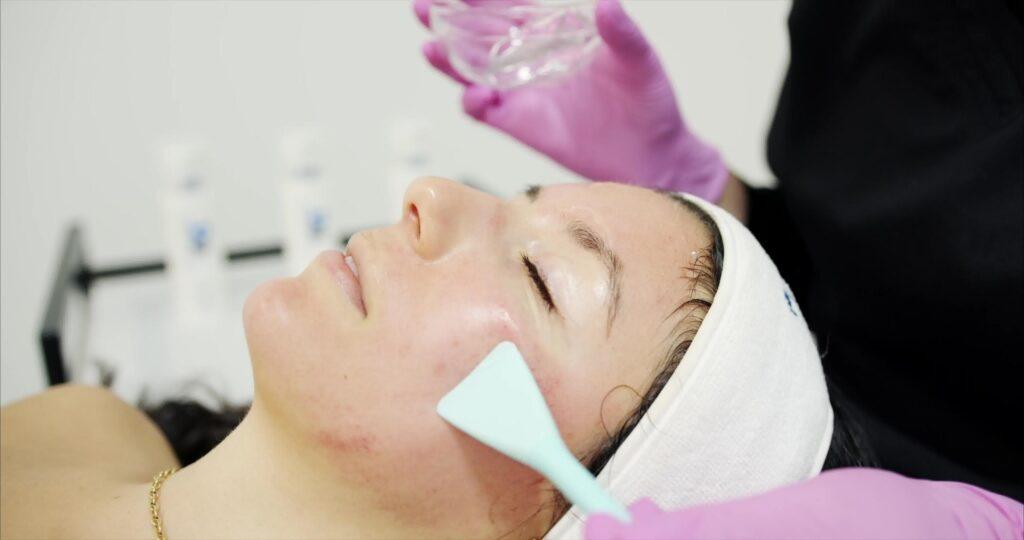
Acne can leave behind more than occasional breakouts. Blackheads, blocked pores, persistent blemishes, and dark marks may affect the skin's appearance long after individual spots have healed. Finding an approach that addresses these concerns without irritating the skin is important, particularly for people who experience recurring acne.
Chemical Peels in Dubai (التقشير الكيميائي في دبي) are an option for individuals looking to improve certain acne-related concerns through controlled exfoliation. Depending on the ingredients used, a chemical peel may help unclog pores, remove accumulated dead skin cells, and reduce the appearance of some post-acne marks. Understanding the difference between active acne, pigmentation, and established scars is essential when deciding whether this treatment is appropriate.
How Chemical Peels Work on Acne-Prone Skin
Chemical peels use exfoliating agents to loosen the connections between dead skin cells, encouraging the removal of surface buildup. Some ingredients can also help address the oil and debris associated with clogged pores.
The treatment selected depends on the primary concern. Someone experiencing blackheads may benefit from a different formulation than someone dealing with dark marks left by previous breakouts. Deeper scars, meanwhile, often require treatment approaches beyond superficial exfoliation.
A carefully selected peel can form part of an acne management plan, but it does not guarantee permanent clearance or prevent every future breakout.
Can Chemical Peels Help With Different Types of Acne?
Blackheads and Whiteheads
Blackheads and whiteheads develop when hair follicles become blocked with oil and dead skin cells. Salicylic acid is commonly used for comedonal acne because it is oil-soluble and can help loosen material within pores.
A suitable salicylic acid peel may improve the appearance of clogged pores and reduce surface congestion. However, results vary, and ongoing acne may require a consistent home skincare routine or additional treatment.
Mild Inflammatory Acne
Red pimples and small inflammatory blemishes can be more difficult to manage than simple congestion. Some chemical peels may be considered in selected cases, but irritated or inflamed skin requires caution.
Strong exfoliation can aggravate active breakouts, increase redness, and damage the skin barrier. The severity of acne should therefore be assessed before choosing a treatment.
Dark Marks After Acne
Post-inflammatory hyperpigmentation occurs when inflammation leaves darker areas behind. These marks are particularly noticeable on some medium and deeper skin tones.
Selected superficial peels may help improve the appearance of superficial discoloration over time. Appropriate treatment selection is important because irritation can trigger additional pigmentation and make existing marks more visible.
Uneven Skin Texture After Breakouts
Acne can leave rough areas or shallow textural changes. Superficial chemical exfoliation may improve mild irregularities by encouraging surface renewal.
However, deep depressions and established atrophic acne scars extend beyond the superficial skin layer. Chemical peels alone may not provide substantial improvement for these concerns, and other treatments may need to be considered.
Which Chemical Peel Ingredients Are Commonly Used for Acne?
Salicylic Acid
Salicylic acid is a beta hydroxy acid widely used for oily and acne-prone skin. Its oil-soluble properties make it useful for addressing clogged pores, blackheads, and certain forms of comedonal acne.
The strength and frequency of treatment should be selected carefully. Excessive use may lead to dryness, peeling, and irritation, especially when combined with other active skincare ingredients.
Glycolic Acid
Glycolic acid is an alpha hydroxy acid that exfoliates the skin's surface. It may help improve rough texture, dullness, and the appearance of superficial acne-related pigmentation.
Although it can support skin renewal, glycolic acid is not suitable for every acne condition. Higher concentrations can cause significant irritation if applied incorrectly.
Lactic Acid
Lactic acid is another alpha hydroxy acid used to exfoliate the outer skin layer. Certain formulations may be considered when the goal is to improve mild unevenness and dullness.
Suitability depends on skin sensitivity, the formulation, and the condition being treated. People with an impaired skin barrier should avoid unnecessary exfoliation until the skin has recovered.
Chemical Peels in Dubai: What Makes Treatment Selection Important?
Dubai's sunny climate makes sun protection especially important for anyone considering exfoliating treatments. Ultraviolet exposure can worsen post-acne pigmentation, while recently treated skin may be more sensitive and vulnerable to irritation.
Treatment planning should account for skin tone, current acne severity, recent sun exposure, existing skincare products, and previous reactions to exfoliants. People with deeper skin tones may have a greater risk of post-inflammatory pigmentation after an irritating treatment, so a conservative approach is often appropriate.
A suitable peel should address the main concern without creating unnecessary inflammation. Stronger formulas are not automatically better, and aggressive exfoliation can make acne-related problems more difficult to manage.
What Results Can You Expect From an Acne Peel?
Results depend on the type of acne, the ingredients used, and the condition of the skin before treatment. Some people may notice smoother skin and less visible congestion after recovery from a superficial peel.
Dark marks generally take longer to improve because pigmentation can remain in the skin after inflammation has settled. A series of treatments may be considered in selected cases, but the appropriate interval and number of sessions depend on individual assessment.
Deep acne scars usually respond poorly to superficial exfoliation alone. It is important to distinguish temporary redness, lingering pigmentation, and structural scarring because each requires a different approach.
How to Prepare Your Skin Before Treatment
Review Your Current Skincare Products
Products containing retinoids, exfoliating acids, benzoyl peroxide, or other active ingredients can affect skin sensitivity. Discuss your current routine before treatment so that any necessary adjustments can be made safely.
Do not stop prescribed medication without appropriate medical guidance.
Avoid Irritating the Skin
Aggressive scrubbing, waxing, and additional exfoliating treatments can increase irritation before a chemical peel. Avoid unnecessary skin procedures and follow the preparation instructions provided for the selected treatment.
Protect Against Sun Exposure
Avoid treatment on sunburned or significantly irritated skin. Daily broad-spectrum sunscreen with SPF 30 or higher can help reduce further sun damage and support the management of acne-related pigmentation.
Essential Aftercare for Acne-Prone Skin
Use a Gentle Cleanser
After treatment, choose a mild cleanser that removes impurities without leaving the skin feeling tight or uncomfortable. Avoid harsh soaps and abrasive cleansing brushes while the skin recovers.
Keep the Skin Moisturized
A lightweight, non-comedogenic moisturizer can help support the skin barrier without unnecessarily contributing to pore congestion. Individual tolerance varies, so introduce new products cautiously.
Avoid Picking at Flaking Skin
Chemical peels may cause temporary dryness or visible peeling. Pulling off loose skin can cause further inflammation and increase the risk of pigmentation changes or scarring. Allow the skin to shed naturally.
Resume Active Ingredients Gradually
Do not immediately restart every acne product after treatment. Exfoliating acids, retinoids, and benzoyl peroxide may need to be paused until recovery is complete. Follow the treatment-specific instructions before reintroducing active ingredients.
Apply Sunscreen Consistently
Use broad-spectrum SPF 30 or higher and reapply as directed when outdoors. Sun protection is particularly important when managing post-acne marks because ultraviolet exposure can make discoloration more persistent.
Are Chemical Peels Safe for Every Acne Condition?
Chemical peels are not appropriate for every skin concern. Active skin infections, open wounds, severe irritation, and certain inflammatory conditions may require alternative care. People with severe or painful acne may need medical treatment rather than relying on exfoliation alone.
Possible side effects include redness, dryness, burning, blistering, infection, scarring, and temporary or persistent changes in skin pigmentation. These risks depend on the peel's strength, application, and individual skin characteristics.
If you experience severe pain, increasing swelling, blistering, or signs of infection after a peel, seek prompt medical attention.
Chemical Peels Versus Treatments for Deep Acne Scars
Not all acne scars are the same. Superficial discoloration can sometimes improve with suitable chemical exfoliation, but structural scars involve changes in the skin's underlying tissue.
Indented scars, narrow ice-pick scars, and broader depressions may require other approaches, such as microneedling, selected laser procedures, or specialist scar treatments. The most appropriate option depends on scar type, skin tone, medical history, and the risk of pigmentation changes.
Choosing a treatment based on the actual cause of the concern helps create more realistic expectations and avoids relying on a procedure that may offer limited improvement.
Building a Long-Term Routine for Acne-Prone Skin
Maintaining clearer skin usually requires consistent care rather than repeated aggressive treatments. Gentle cleansing, suitable moisturization, daily sunscreen, and acne products selected for individual needs can help support skin health.
Avoid introducing several active ingredients simultaneously, as this makes irritation more likely and makes it difficult to identify which product is causing a reaction. Persistent, painful, or scarring acne deserves professional assessment so that treatment can begin before additional marks develop.
Chemical exfoliation may complement an appropriate routine, but it should not replace necessary acne treatment or consistent daily care.
Final Thoughts
Chemical peels may help improve clogged pores, mild acne-related discoloration, and uneven surface texture when the treatment is carefully matched to the skin's needs. However, active inflammatory acne and deep scars may require different approaches, while inappropriate exfoliation can worsen irritation and pigmentation. Anyone considering Chemical Peels in Dubai should understand the expected benefits, recovery requirements, and possible side effects before proceeding. TAJMEELS DUBAI عيادة تجميل can be considered when exploring aesthetic skincare options, with treatment decisions guided by individual skin concerns, realistic expectations, and appropriate professional assessment.

 English
 Arabic
 French
 Spanish
 Portuguese
 Deutsch
 Turkish
 Dutch
 Italiano
 Russian
 Romaian
 Portuguese (Brazil)