
Can Glutathione Injections Cause Allergic Reactions?
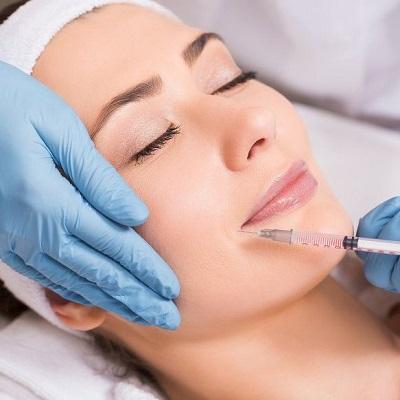
Glutathione Injections have gained attention in the skincare and wellness industry because of their association with antioxidant protection and skin-brightening treatments. Many people consider these injections while exploring ways to improve their complexion or support their general wellness. However, like other injectable treatments, Glutathione Injections can carry potential risks, including allergic reactions and other unwanted side effects.
Understanding these risks is essential before considering any injectable product. Although glutathione is a substance naturally produced by the human body, receiving it through an injection is different from relying on the body's normal production. The formulation, additional ingredients, product quality, and method of administration can all influence safety.
An allergic reaction may range from mild itching or a skin rash to a severe, potentially life-threatening emergency. Not every reaction after an injection is caused by an allergy, however. Some symptoms may result from irritation, an ingredient in the preparation, contamination, or another medical issue.
This article explains whether Glutathione Injections can cause allergic reactions, which warning signs to recognize, what factors may increase the risk, and how individuals can make informed decisions about treatment.
1. What Are Glutathione Injections and How Do They Work?
Glutathione is a naturally occurring antioxidant made from three amino acids: glutamate, cysteine, and glycine. It helps protect cells against oxidative stress, supports several normal metabolic processes, and contributes to the body's natural antioxidant defenses.
Glutathione injections deliver a prepared form of this antioxidant into the body. Depending on the formulation and intended use, administration may involve an injection or an infusion. These products are sometimes promoted for wellness and cosmetic purposes, particularly skin brightening and reducing the appearance of pigmentation.
However, the scientific evidence supporting cosmetic uses remains limited, and injectable glutathione should not be considered a guaranteed method for changing skin tone.
Why Can an Injectable Product Cause a Reaction?
An injection introduces a prepared substance directly into the body, bypassing the digestive process. This route of administration makes the quality and composition of the product particularly important.
A reaction may be associated with the glutathione preparation itself, another ingredient in the formulation, or a problem with preparation and administration. Depending on the circumstances, the response may be allergic or non-allergic.
For example, an individual might develop a localized rash after an injection because of skin irritation, while another person might experience an immune-mediated allergic reaction to an ingredient. These situations can look similar initially but may require different assessments.
The fact that glutathione occurs naturally in the body does not guarantee that every injectable formulation will be safe for every individual.
2. Can Glutathione Injections Cause Allergic Reactions?
Yes, allergic reactions are possible with Glutathione Injections, although the frequency and specific risk are not well established. Reliable data on allergic reactions associated with cosmetic glutathione injections are limited, making it difficult to determine how commonly they occur.
An allergic reaction happens when the immune system responds to a substance it recognizes as harmful, even when that substance is not dangerous to most people. In the context of injectable treatments, the reaction may involve the active ingredient or another component of the preparation.
Potential triggers include:
-
The active ingredient or a substance associated with the formulation.
-
Excipients, preservatives, or other additional ingredients, depending on the product.
-
Contaminants introduced through poor manufacturing, handling, or storage.
-
Other substances administered during the same treatment session.
Contamination does not necessarily cause an allergic reaction. It can instead lead to infection or another adverse response, which is one reason symptoms should not automatically be attributed to an allergy.
An individual does not need to have a known history of allergies to experience an unexpected reaction. Similarly, previous uneventful exposure does not guarantee that a future injection will be reaction-free.
Because injectable glutathione products can differ in their composition and quality, the safety of one preparation should not be assumed to apply to every other product.
3. Common Signs and Symptoms of an Allergic Reaction
Recognizing symptoms early can help individuals respond appropriately. Reactions may occur shortly after administration, although the timing and severity can vary. Some symptoms may also appear later, and not every symptom following an injection indicates an allergy.
Mild to Moderate Symptoms
Possible symptoms of a mild or moderate reaction include:
-
Itching or redness around the injection site.
-
A skin rash or raised, itchy bumps known as hives.
-
Localized swelling or irritation.
-
Generalized itching.
-
Mild facial redness or flushing.
These symptoms can have other explanations, including irritation or a non-allergic medication reaction. A healthcare professional can help determine the likely cause.
Even if symptoms initially appear mild, worsening or spreading symptoms deserve prompt medical attention. An individual should not assume that a reaction will remain mild simply because the first signs are limited to the skin.
Severe Allergic Reactions
A severe allergic reaction, known as anaphylaxis, can affect several body systems and may progress rapidly. Warning signs include:
-
Difficulty breathing, wheezing, or a feeling of throat tightness.
-
Swelling of the tongue, throat, or significant swelling of the lips.
-
Sudden dizziness, fainting, or collapse.
-
A rapid heartbeat accompanied by weakness or other concerning symptoms.
-
Severe abdominal symptoms or repeated vomiting, particularly when accompanied by other signs of an allergic reaction.
Anaphylaxis is a medical emergency. Anyone experiencing symptoms suggestive of a severe allergic reaction after Glutathione Injections should seek emergency medical care immediately. Emergency services should be contacted, and prescribed epinephrine should be used promptly if available and indicated.
Antihistamines are not a substitute for epinephrine in anaphylaxis and should never delay emergency treatment.
Importantly, a severe allergic reaction can occur without a visible rash. Breathing difficulties, throat swelling, or sudden collapse after an injection require urgent attention even when skin symptoms are absent.
4. Factors That May Increase the Risk of Reactions
Not everyone who receives an injectable treatment experiences an adverse reaction. Nevertheless, several factors can affect the likelihood of complications or make a reaction more difficult to identify.
Product Quality and Ingredients
The composition of an injectable product is an important safety consideration. Different preparations may contain different inactive ingredients, and manufacturing standards can vary.
Products obtained from unverified sources may have uncertain ingredients, inappropriate storage conditions, or inadequate quality controls. Contamination or incorrect preparation can create additional risks.
Before considering treatment, an individual should verify the product's regulatory status, intended use, ingredient information, and quality assurance. A product being advertised online or offered as a cosmetic service does not establish that it is approved or proven safe for that purpose.
Previous Allergies and Medical History
A history of medication allergies, previous reactions to injections, or sensitivity to particular ingredients should be discussed with a qualified healthcare professional before treatment.
However, having seasonal allergies or a food allergy does not automatically mean that an individual will react to glutathione. Risk depends on the specific substance involved and the person's medical circumstances.
People with asthma or other significant medical conditions should also discuss their health history before receiving an injectable treatment. These conditions do not necessarily predict an allergic reaction, but they may influence the assessment and management of potential complications.
Administration and Preparation Practices
Injectable products require appropriate preparation, sterile equipment, and proper administration. Poor technique may lead to infection, tissue irritation, or other complications that can resemble or accompany an adverse drug reaction.
For this reason, injectable treatments should not be self-administered or obtained from unqualified providers. A suitable healthcare setting should have appropriate procedures for recognizing and managing emergencies.
5. What Should Someone Do If a Reaction Occurs?
The appropriate response depends on the symptoms and their severity. Early recognition is important because an initially limited reaction may sometimes progress.
For Mild Symptoms
If itching, redness, or a localized rash develops after an injection, the individual should inform the treating healthcare professional promptly and seek medical advice.
Further doses should be postponed until the reaction has been assessed. The person should not deliberately receive another dose to see whether the symptoms return.
It is useful to record when the injection was given, when the symptoms started, what symptoms appeared, and whether any other products or medications were used during the same session. Keeping the product packaging or ingredient information may also help a healthcare professional identify the potential trigger.
A clinician may recommend examination, symptom management, or further evaluation depending on the presentation. The person should seek urgent care if symptoms spread, worsen, or involve breathing, swallowing, or circulation.
For Severe Symptoms
Difficulty breathing, throat or tongue swelling, collapse, or other signs of anaphylaxis require immediate emergency care.
The affected individual should not wait to see whether the symptoms resolve on their own. If an epinephrine autoinjector has been prescribed for that person, it should be used according to their emergency action plan while emergency services are contacted.
Even if symptoms improve after emergency treatment, medical evaluation is still necessary because further treatment and observation may be required.
Once the immediate reaction has been managed, a healthcare professional can determine whether the event was likely allergic, investigate other possible causes, and advise whether future exposure should be avoided.
6. How to Reduce Risks Before Considering Glutathione Injections
No precaution can guarantee that an allergic reaction will never occur. However, careful evaluation and appropriate product handling can help reduce avoidable risks.
Review the medical history. A qualified healthcare professional should know about previous reactions to medicines or injections, existing medical conditions, and current medications.
Verify the product. The product's ingredients, source, manufacturing quality, storage requirements, and regulatory status should be checked. Unknown or unverified injectable preparations should be avoided.
Use an appropriate healthcare setting. Injectable treatments require trained personnel, sterile techniques, and access to emergency care. Home administration without suitable medical oversight introduces unnecessary risks.
Discuss the actual benefits. For cosmetic skin brightening, the evidence supporting Glutathione Injections remains limited. A person should understand the uncertainty of the expected results before accepting the risks of an injectable procedure.
Avoid unsupervised repeat treatments. A previous reaction should be assessed before any further exposure. Repeated administration without understanding the cause may expose the individual to additional complications.
Consider alternatives. People concerned about uneven skin tone or dark spots may benefit from sun protection and evidence-based topical treatments selected according to the cause of pigmentation. Persistent or changing skin discoloration should be assessed by a qualified healthcare professional.
The goal is not simply to avoid allergies but to make sure that any treatment has a reasonable evidence-based purpose and that its potential risks are understood.
7. Frequently Asked Questions About Glutathione Injections
1. Can Glutathione Injections cause an allergic reaction on the first use?
Yes. An allergic reaction can occur even when a person has never received glutathione before. Previous exposure without symptoms also does not guarantee that a future dose will be safe. The specific product, its ingredients, and individual factors can all influence the response.
2. How quickly can an allergic reaction develop after Glutathione Injections?
Some allergic reactions develop within minutes, while others may appear later. The timing varies depending on the type of reaction and the substances involved. Breathing difficulties, throat swelling, fainting, or other signs of a severe reaction require immediate emergency attention regardless of when they occur.
3. Is itching after Glutathione Injections always a sign of an allergy?
No. Itching may result from local irritation, a non-allergic reaction, or another cause. However, new itching or a rash after an injection should not be ignored, particularly if symptoms spread or are accompanied by swelling or breathing problems.
4. Can someone take another dose after experiencing a mild reaction?
A further dose should be postponed until a qualified healthcare professional has assessed the reaction and advised on the next steps. Even a mild reaction can be difficult to interpret without an appropriate assessment, and deliberately repeating exposure may be unsafe.
5. Are Glutathione Injections safe for people with a history of allergies?
A history of allergies does not automatically rule out every glutathione preparation, but previous medication or injection reactions should be discussed with a healthcare professional. The relevant ingredients, medical history, and potential alternatives should be reviewed before any treatment decision.
6. What is the safest way to prevent an allergic reaction to Glutathione Injections?
There is no guaranteed way to prevent every allergic reaction. Reviewing medical history, checking product ingredients and quality, avoiding unverified preparations, and receiving treatment in an appropriate healthcare setting can help reduce avoidable risks. A skin test or small initial dose should not be assumed to guarantee safety unless a qualified specialist has determined that a specific testing approach is appropriate.
Conclusion
Glutathione Injections can potentially cause allergic reactions, although the exact frequency and risk associated with cosmetic use remain uncertain. Symptoms may include itching, rashes, and localized swelling, while severe reactions can involve breathing difficulties, throat swelling, dizziness, or collapse.
The safety of an injectable preparation depends on more than the active ingredient alone. Product quality, additional ingredients, administration practices, and individual medical history all matter.
Anyone considering Glutathione Injections should weigh the uncertain benefits against the possible risks and discuss the treatment with a qualified healthcare professional. If an adverse reaction occurs, further exposure should be avoided until the situation has been assessed. Most importantly, symptoms suggesting anaphylaxis require immediate emergency medical attention.
An informed approach, realistic expectations, and appropriate medical oversight are essential when evaluating any injectable cosmetic treatment.
Read More About Glutathione Injections: https://www.americasmallbiz.com/articles/are-glutathione-injections-better-than-vitamin-c-treatments

 English
 Arabic
 French
 Spanish
 Portuguese
 Turkish
 Dutch
 Italiano
 Russian
 Romaian
 Portuguese (Brazil)
 Greek