
Canberra, ACT: A Growing Centre for Tourism, Education, and Sustainable Living
Introduction
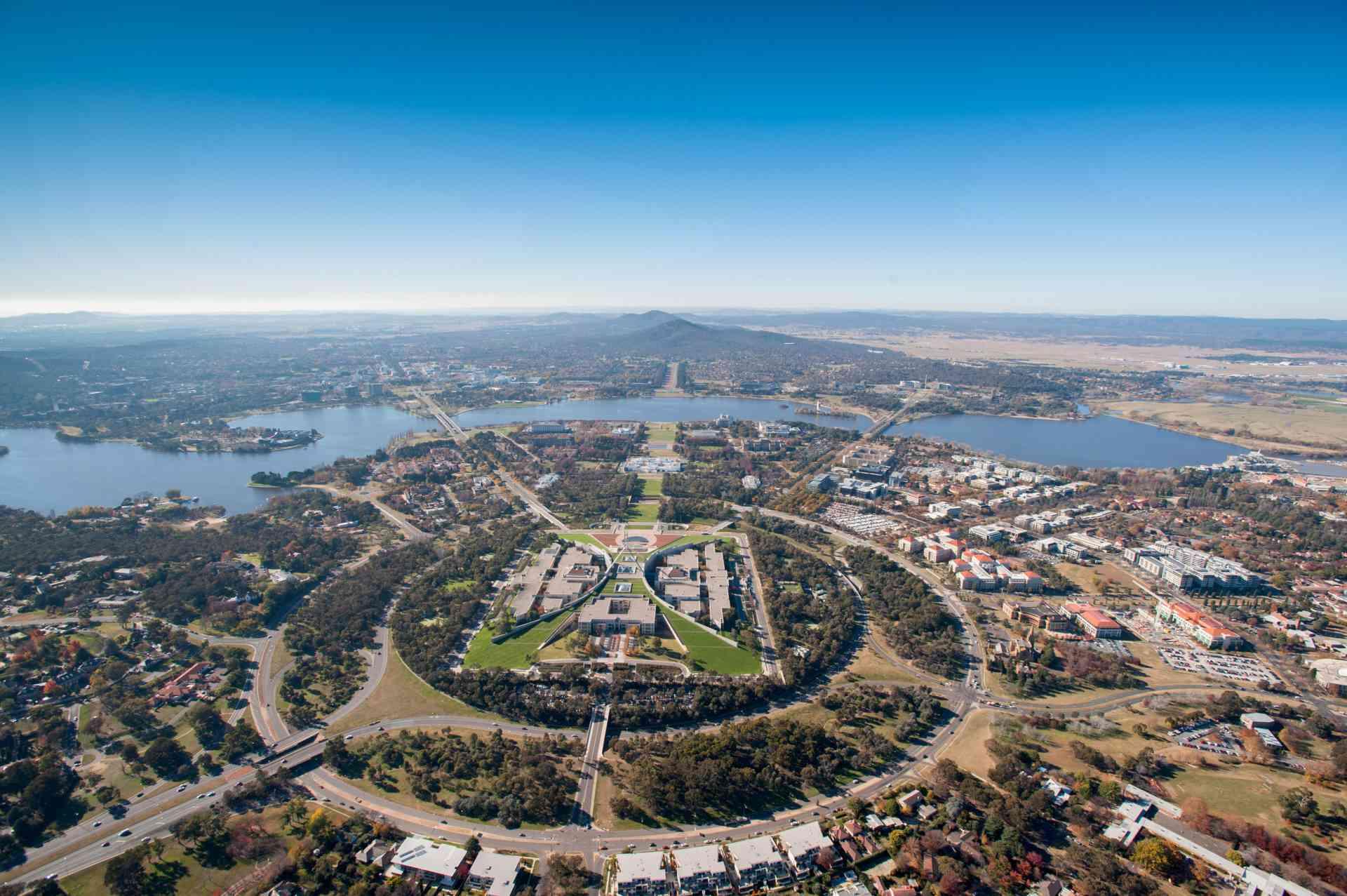
Canberra, the capital city of Australia, is located in the Australian Capital Territory (ACT) and is widely recognised for its well-planned urban structure, natural beauty, educational institutions, and national significance. As the centre of Australian government, Canberra ACT target location plays an essential role in the country's administration and political decision-making. At the same time, it has developed into a modern city offering diverse employment opportunities, cultural experiences, recreational facilities, and residential communities.
Unlike many major cities that have grown around ports or industrial centres, Canberra was planned specifically to become the national capital. This planned development has influenced its roads, public spaces, residential districts, and relationship with the surrounding environment. Today, Canberra combines the functions of a government centre with the advantages of a city that provides access to nature, education, and a variety of lifestyle opportunities.
Location and Urban Planning
Canberra is situated in southeastern Australia, between Sydney and Melbourne. It occupies a landscape characterised by hills, open spaces, lakes, and mountain ranges. The city's geographical setting contributes to its attractive appearance and provides opportunities for outdoor recreation.
The Australian Capital Territory is a separate territory rather than a state. It was established to provide a dedicated location for the federal government, ensuring that the national capital would not be controlled by any individual state.
Canberra's urban design reflects careful planning. Major roads, residential areas, government buildings, and recreational spaces have been organised into distinct districts. Lake Burley Griffin forms a central feature of the city, connecting important landmarks and providing a focal point for leisure activities.
The city includes several established districts, such as Civic, Belconnen, Woden, Tuggeranong, and Gungahlin. Each area has its own combination of housing, shopping centres, schools, workplaces, and community facilities. This decentralised structure allows many residents to access essential services within their local neighbourhoods.
Historical Background and National Identity
Canberra's development is closely connected with the formation of the Australian Federation in 1901. Following federation, the new national government required a permanent capital. Canberra was eventually selected as a compromise between Sydney and Melbourne, which were both influential cities seeking national capital status.
The design of Canberra was developed through an international competition won by Walter Burley Griffin and Marion Mahony Griffin. Their plan incorporated geometric patterns, broad avenues, landscaped spaces, and a relationship between the city and its surrounding natural features.
Construction and population growth occurred gradually, and Canberra became the seat of the federal Parliament in 1927. Over the following decades, the city expanded through the development of government facilities, residential districts, educational institutions, and commercial areas.
Canberra's history also reflects the experiences of Aboriginal and Torres Strait Islander peoples. The region has a long Indigenous history, particularly associated with the Ngunnawal people and neighbouring Aboriginal communities. Understanding this heritage is important for appreciating the cultural significance of the land and recognising the continuing contributions of Indigenous Australians.
Government and Public Administration
Canberra is the primary centre of Australia's federal political system. Parliament House serves as the location where members of Parliament debate national issues, consider legislation, and make decisions affecting the country.
The city also hosts government departments, national agencies, the High Court of Australia, and numerous diplomatic missions. These institutions contribute to Canberra's international importance and create a concentration of professional employment opportunities.
Government administration supports a wide range of occupations, including policy analysis, law, communications, public management, information technology, economics, and research. The presence of federal institutions also generates demand for accommodation, catering, transport, consulting, and other business services.
Visitors can explore several national institutions to learn about Australian democracy, government responsibilities, and the development of public policy. Canberra therefore serves both as a working administrative centre and as an educational destination for people interested in the country's political system.
Education and Professional Development
Education is one of Canberra's major strengths. The city is home to universities, schools, vocational training providers, and research organisations that attract students from across Australia and overseas.
The Australian National University is recognised for its research and academic programmes, while the University of Canberra offers courses across numerous professional disciplines. These institutions contribute to the development of skilled graduates and support research in science, public policy, technology, health, and the humanities.
Canberra's educational environment is strengthened by its proximity to government departments and national research institutions. Students may benefit from opportunities to attend public lectures, participate in research projects, and explore professional pathways related to their studies.
The presence of international students also contributes to the city's cultural diversity. Students introduce different perspectives, support local businesses, and participate in community activities, helping create an environment that values learning and international engagement.
Tourism and Major Attractions
Tourism is an important part of Canberra's identity. The city offers attractions that appeal to families, school groups, international visitors, history enthusiasts, and people interested in art and science.
Parliament House is one of the city's most significant landmarks, providing opportunities to learn about Australia's political institutions and parliamentary traditions. The Australian War Memorial commemorates the country's military history and honours those who served.
The National Gallery of Australia displays Australian and international artworks, while the National Museum of Australia explores the country's history, society, and cultural development. The National Library of Australia is another important institution, preserving collections of books, historical documents, photographs, and other materials.
Lake Burley Griffin is especially popular for sightseeing, walking, cycling, and photography. Its surrounding pathways connect several attractions and provide scenic views of the city.
Nature enthusiasts can visit the National Arboretum Canberra, explore nearby walking trails, or enjoy views from surrounding hills. These attractions demonstrate how Canberra combines cultural tourism with outdoor recreation.
Economic Development and Employment
Canberra's economy is supported by public administration, education, healthcare, professional services, construction, tourism, and technology-related industries.
The federal government remains a major economic influence because its departments and agencies provide employment and generate demand for specialised services. Consulting firms, legal practices, information technology companies, and research organisations also contribute to economic activity.
The education and healthcare sectors provide important services while creating employment for teachers, researchers, medical professionals, administrators, and support workers.
Canberra also offers opportunities for small businesses and entrepreneurs. Restaurants, cafés, retail shops, accommodation providers, and recreational businesses serve residents, students, government workers, and tourists.
Although the city offers a range of professional opportunities, employment prospects depend on qualifications, experience, industry demand, and eligibility for particular positions. People considering relocation should research suitable occupations and living expenses before making long-term decisions.
Residential Life and Community Facilities
Canberra offers a variety of residential environments, from apartments near commercial centres to family homes in established suburbs. Many neighbourhoods feature parks, schools, local shops, sporting facilities, and community services.
The city's extensive green spaces contribute to a lifestyle that balances urban convenience with access to nature. Families may appreciate the availability of educational and recreational facilities, while professionals may value the concentration of government offices and research organisations.
However, housing costs can be a significant consideration. Rental prices and property purchase costs vary according to location, dwelling size, accessibility, and local demand. Residents must also consider expenses such as utilities, groceries, transportation, and childcare.
Canberra's community life includes sporting clubs, cultural events, libraries, markets, restaurants, and local festivals. Its multicultural population contributes to a diverse social environment, allowing residents to experience different cuisines, traditions, and community activities.
Transport and Accessibility
Transport plays an important role in Canberra's daily life. The city has a road network connecting residential districts with employment centres, shopping areas, educational institutions, and major attractions.
Public transport services include buses and light rail, which provide connections along selected routes. However, accessibility varies depending on where people live and work. Some residents find public transport suitable for everyday travel, while others rely on private vehicles.
Cycling and walking are encouraged by paths and shared-use trails in many parts of the city. These options can support healthier lifestyles and reduce reliance on cars for shorter journeys.
For visitors, planning transport in advance can make it easier to explore Canberra's dispersed attractions. Combining public transport with walking, cycling, or occasional taxi and rideshare journeys can provide flexibility.
Environmental Sustainability and Outdoor Activities
Canberra's relationship with nature is a defining feature of the city. Parks, gardens, lakes, and nature reserves provide spaces for recreation and contribute to the urban environment.
Residents can enjoy walking, running, cycling, picnicking, birdwatching, and photography. Nearby hills and reserves offer opportunities for hiking and enjoying panoramic views, while Lake Burley Griffin supports water-based recreation.
Environmental sustainability is increasingly important as Canberra grows. Protecting native vegetation, conserving water, improving waste management, and supporting sustainable transport can help preserve the city's environmental qualities.
Urban development must balance housing and infrastructure needs with biodiversity conservation and the protection of open spaces. Responsible planning can help ensure that Canberra remains an attractive and liveable city.
Conclusion
Canberra, ACT, is a distinctive Australian city that combines national government, education, economic activity, cultural attractions, and environmental beauty. Its planned urban structure, historical significance, and extensive green spaces distinguish it from many other cities in Australia.
The city provides opportunities for education, professional development, tourism, and residential living. Its national museums, galleries, memorials, universities, and government institutions offer valuable experiences for residents and visitors alike.
Although housing affordability, transport accessibility, and changing urban needs present ongoing challenges, Canberra continues to develop as an important centre of administration, innovation, and community life.
Overall, Canberra represents a successful combination of planned development and natural surroundings. Its political importance, educational opportunities, cultural diversity, and recreational facilities make it a valuable destination for anyone seeking to understand Australia's national identity or experience the lifestyle of its capital city.

 English
 Arabic
 French
 Spanish
 Deutsch
 Turkish
 Dutch
 Italiano
 Russian
 Romaian
 Portuguese (Brazil)
 Greek