
What Results to Expect From Laser Acne Scar Treatments in Riyadh
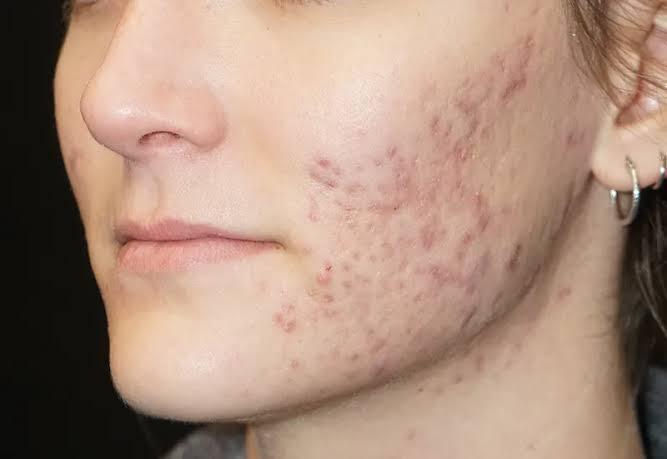
Acne scars can affect skin texture, tone, and overall appearance long after active acne has disappeared. For people seeking smoother-looking skin, laser treatments have become an option worth exploring. Understanding how these procedures work, what results may be possible, and how recovery varies can help individuals make informed decisions about their skincare journey.
Laser Acne Scar Treatments in Riyadh are designed to improve the appearance of different types of acne scars by stimulating skin renewal and supporting collagen production. The results depend on the type of laser used, scar depth, skin type, and individual healing response. Learning about treatment options and realistic expectations is essential before deciding whether laser therapy is appropriate.
Understanding Acne Scars and Their Causes
Acne scars develop when inflammation associated with acne damages the skin and affects its natural healing process. The severity of scarring can vary depending on the depth of inflammation, the type of acne, and individual skin characteristics.
Some scars appear as depressions, while others create raised areas or changes in skin pigmentation. Understanding these differences helps determine which treatment approach may provide the most suitable improvement.
Common types of acne-related skin concerns include:
Atrophic Acne Scars
Atrophic scars appear as indentations in the skin caused by a loss of supporting tissue. They may look like narrow pits, rounded depressions, or shallow, uneven areas. Laser resurfacing can improve their appearance by encouraging collagen production and supporting gradual skin remodeling.
Hypertrophic and Raised Scars
Raised acne scars develop when the skin produces excess collagen during healing. Although certain laser treatments may help improve redness or texture, raised scars often require a different approach from depressed scars. A dermatologist can assess whether laser therapy or another treatment is more appropriate.
Post-Acne Dark Spots
Dark spots that remain after acne are often related to post-inflammatory hyperpigmentation rather than permanent scarring. Certain laser procedures may help improve pigmentation, but treatment must be selected carefully because some devices can worsen discoloration in susceptible skin.
How Laser Acne Scar Treatments Work
Laser treatments use controlled light energy to target specific skin concerns. Depending on the technology, the procedure may remove microscopic portions of damaged skin, heat deeper tissue, or target unwanted pigmentation. These effects can encourage natural repair processes and improve the appearance of acne scars over time.
The treatment selected depends on the individual's skin condition and the desired outcome. Not every laser works in the same way, and the most suitable option should be determined after a professional skin assessment.
Fractional Laser Resurfacing
Fractional laser resurfacing treats small, targeted areas of the skin while leaving surrounding tissue intact. This approach encourages healing and collagen remodeling, potentially improving uneven texture and certain depressed scars.
Depending on the device, fractional treatments may be ablative or non-ablative. Ablative lasers generally involve more downtime, while non-ablative options may offer a more gradual improvement with less disruption to the skin.
CO2 Laser Treatment
CO2 laser resurfacing is an ablative procedure that removes controlled layers of damaged skin and stimulates tissue renewal. It may be considered for selected acne scars, particularly when texture irregularities are prominent.
Because the treatment can be intensive, it requires careful assessment, appropriate aftercare, and an understanding of potential side effects, including prolonged redness and pigmentation changes.
Non-Ablative Laser Treatments
Non-ablative lasers heat targeted skin tissue without removing the outer skin layer in the same way as ablative procedures. They may support collagen production and gradually improve mild to moderate textural concerns.
Several sessions may be necessary, and results can develop more slowly. The appropriate treatment depends on scar characteristics, skin tone, sensitivity, and the patient's recovery preferences.
What Results Can You Expect From Laser Acne Scar Treatments in Riyadh?
Results vary from person to person, and complete scar removal cannot be guaranteed. Many people seek improvements in skin smoothness, the visibility of depressions, and overall texture rather than perfectly scar-free skin.
Laser Acne Scar Treatments in Riyadh may provide gradual improvements as the skin heals and collagen remodeling continues. The extent of improvement depends on the procedure, scar severity, and individual response.
Smoother Skin Texture
One potential benefit is a reduction in the appearance of uneven skin texture. Laser resurfacing can stimulate renewal processes that may soften the edges of certain scars and make the skin surface appear more even.
Deeper scars may remain visible after treatment, and additional procedures or complementary therapies may be recommended. Realistic expectations help patients evaluate progress without expecting every irregularity to disappear.
Improved Appearance of Depressed Scars
Certain laser procedures can help improve shallow or moderate depressed acne scars by encouraging collagen remodeling. Over time, this process may make indentations appear less pronounced.
Deep ice-pick scars and tethered rolling scars may respond less effectively to laser treatment alone. A dermatologist may recommend combining laser therapy with other approaches, such as microneedling, subcision, or carefully selected chemical procedures.
More Even-Looking Skin Tone
Laser treatments may help address selected pigmentation concerns associated with previous acne. When appropriate technology is used, some dark marks may gradually become less noticeable.
However, pigmentation requires particular care in darker skin tones because inflammation and laser exposure can sometimes trigger additional discoloration. Professional assessment and suitable treatment settings are important for reducing avoidable risks.
Gradual Improvement Over Time
Laser results do not always appear immediately. Redness, swelling, and temporary skin sensitivity may occur during the initial recovery period, depending on the procedure.
Visible improvements can develop over several weeks or months as healing and collagen remodeling continue. The timeline varies according to the laser type, treatment intensity, and individual skin response.
Laser Acne Scar Treatments in Saudi Arabia: Choosing the Right Approach
People researching Laser Acne Scar Treatments in Saudi Arabia should understand that treatment suitability depends on more than the location where the procedure is performed. Skin tone, scar type, medical history, and previous treatments all influence the decision.
A qualified dermatologist can examine the skin, explain available technologies, and discuss expected benefits and limitations. The aim is to select an approach that balances potential improvement with safety and recovery needs.
Assessment of Skin Type and Scar Severity
A skin assessment helps identify whether the main concern is depressed scarring, raised scars, pigmentation, or a combination of these issues. Different concerns may require different treatment strategies.
The assessment should also consider active acne, medications, previous reactions to procedures, and any history of abnormal scarring. Active acne may need to be controlled before scar-focused treatment begins.
Personalized Treatment Planning
A personalized plan considers the appropriate laser technology, treatment intensity, session spacing, and recovery requirements. Some people may benefit from a single intensive procedure, while others may need several sessions.
Treatment plans should be adjusted according to skin response rather than following a fixed schedule. Patients should also be informed about alternatives if laser therapy is unlikely to address their particular scar type effectively.
Recovery and Aftercare Following Laser Treatment
Aftercare is an important part of achieving a satisfactory outcome. Depending on the laser used, the skin may experience temporary redness, swelling, sensitivity, dryness, or peeling.
Ablative procedures typically require more recovery time than non-ablative treatments. Following the treating professional's instructions can help protect the skin while it heals.
Gentle Skincare and Sun Protection
Use gentle skincare products recommended by the treating professional and avoid harsh exfoliants until the skin has recovered sufficiently. Picking, rubbing, or peeling healing skin can increase irritation and the risk of pigmentation changes.
Broad-spectrum sunscreen with SPF 30 or higher, appropriate protective clothing, and limiting direct sun exposure are important during recovery. Sun protection remains useful after healing because ultraviolet exposure can worsen discoloration.
Monitoring Skin Healing
Mild, temporary redness and sensitivity may be expected, depending on the procedure. However, worsening pain, increasing redness, pus, fever, or unusual swelling should prompt medical advice because these symptoms may indicate a complication.
Follow-up appointments allow the treating professional to evaluate healing and determine whether further treatment is appropriate. Patients should not schedule additional sessions until their skin has recovered sufficiently.
Potential Risks and Important Considerations
Laser treatments can improve the appearance of selected acne scars, but they also carry potential risks. These include redness, swelling, infection, prolonged healing, changes in pigmentation, and, less commonly, additional scarring.
The likelihood of complications depends on the procedure, device settings, skin characteristics, and aftercare. People with darker skin tones may have a higher risk of post-inflammatory pigmentation with certain lasers, making device selection and practitioner experience particularly important.
Anyone considering treatment should discuss possible side effects, expected recovery, alternatives, and realistic outcomes during a professional consultation. A careful approach helps individuals make informed decisions based on their needs rather than promises of perfect skin.
Frequently Asked Questions
What results can I expect from laser acne scar treatments in Riyadh?
Laser treatments may improve uneven skin texture, soften the appearance of selected depressed scars, and reduce certain pigmentation concerns. Results depend on scar depth, skin type, laser technology, and individual healing.
How many laser sessions are needed for acne scars?
The number of sessions varies according to scar severity, the type of laser, and treatment response. Some procedures involve a single intensive session, while others require several treatments spaced over time.
Are laser acne scar treatments suitable for all skin types?
Not every laser is appropriate for every skin type. People with darker skin tones may need carefully selected technologies and settings to reduce the risk of pigmentation changes. A qualified dermatologist can recommend suitable options.
Is laser treatment effective for deep acne scars?
Laser resurfacing may improve some deep or pronounced scars, but it may not be sufficient on its own. Certain scars respond better to combination treatments, such as subcision or other targeted procedures.
How long does recovery take after laser acne scar treatment?
Recovery depends on the laser used and its intensity. Non-ablative treatments generally involve less downtime, whereas ablative resurfacing may require a longer healing period. Redness and sensitivity can persist beyond the initial recovery phase.
Are the results of laser acne scar treatments permanent?
Improvements in scar texture may be long-lasting, but existing scars may not disappear completely. Natural skin aging, new acne breakouts, and changes in pigmentation can affect the skin's appearance over time.
Conclusion
Laser treatments offer a potential way to improve acne scars, uneven texture, and selected pigmentation concerns. Understanding the available technologies, expected results, recovery requirements, and possible risks is essential before choosing a procedure. While some individuals experience noticeable improvements, outcomes differ, and complete scar removal cannot be guaranteed.
For individuals exploring Laser Acne Scar Treatments in Riyadh or researching Laser Acne Scar Treatments in Saudi Arabia, a professional skin assessment is an important first step. Enfield Royal Clinic Saudi can be considered as a starting point for exploring acne scar treatment options and seeking information about appropriate care, expected outcomes, and recovery requirements.

 English
 Arabic
 French
 Spanish
 Portuguese
 Deutsch
 Turkish
 Dutch
 Italiano
 Romaian
 Portuguese (Brazil)
 Greek