
Everything You Need to Know Before Getting Plasma Pen Treatment
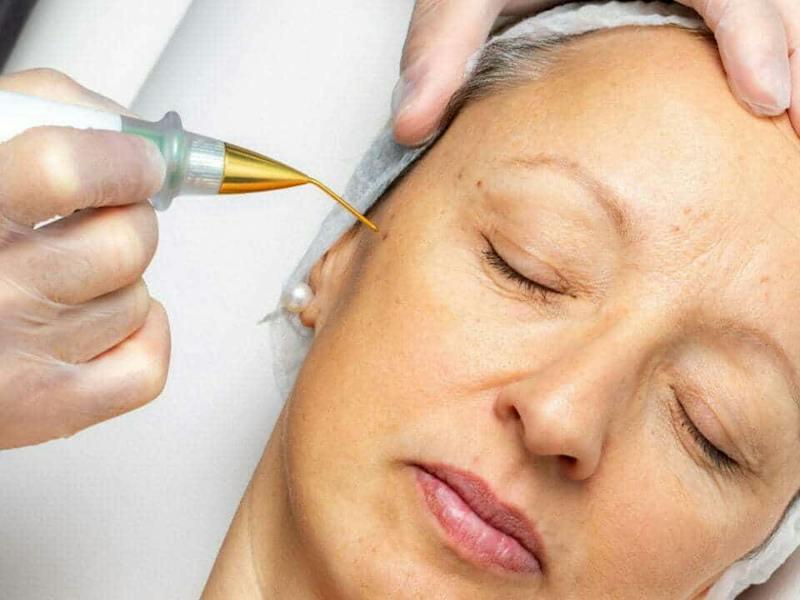
Plasma Pen Treatment has become an option for people interested in improving the appearance of fine lines, mild skin laxity, and certain signs of ageing without undergoing conventional surgery. Before choosing this procedure, it is important to understand how it works, which concerns it may address, what recovery involves, and how to select a qualified provider. Having realistic expectations can help individuals make informed decisions about their skincare goals.
The treatment uses a device that generates a controlled electrical discharge near the skin's surface. This creates tiny, intentional points of thermal injury, triggering the body's natural healing response. The process may encourage collagen remodelling, which can contribute to changes in skin texture and firmness over time. However, results vary depending on the treatment area, skin characteristics, device used, and individual healing response.
Although the procedure is often discussed as a non-surgical skin-tightening option, it is not entirely risk-free. Temporary redness, swelling, small crusts, and changes in pigmentation can occur. In some cases, scarring or prolonged discoloration may develop, particularly when treatment is unsuitable for the individual's skin type or performed incorrectly.
Anyone considering Plasma Pen Treatment in Dubai should begin with a professional consultation rather than relying solely on promotional claims or before-and-after photographs. A qualified practitioner can assess skin concerns, discuss potential benefits and limitations, and determine whether another approach may be more appropriate. Choosing a reputable aesthetic provider in Dubai is an important part of making a safe, informed decision.
Understanding the Purpose of Plasma Pen Treatment
Plasma-based skin procedures are generally intended to improve selected cosmetic concerns, including fine lines, mild laxity, and the appearance of certain wrinkles. The suitability of the procedure depends on the location and severity of the concern, as well as the person's medical history and skin characteristics.
It is worth distinguishing between mild cosmetic improvements and significant lifting. Plasma pen procedures cannot reliably reproduce the results of surgical lifting, and not every individual will experience noticeable improvement. A consultation should establish realistic goals and explain alternative treatments when appropriate.
What to Consider Before Your Appointment
Preparation starts with an assessment of the intended treatment area. Individuals should disclose their medical history, current medications, previous aesthetic procedures, tendency to develop pigmentation, and history of abnormal scarring or cold sores.
Sun exposure, active skin infections, irritated skin, and certain medical conditions may affect eligibility or healing. The practitioner should provide personalised instructions before the procedure and explain how the skin may look during recovery.
It is also helpful to ask about the specific device being used, the practitioner's training, infection-control procedures, and the plan for managing complications. Patients should understand the expected healing period before scheduling treatment around important events.
What Happens During the Procedure?
The practitioner typically cleans the treatment area and follows an appropriate preparation protocol. Depending on the device, treatment area, and individual circumstances, a topical anaesthetic may be used to improve comfort.
The device is then applied in a controlled manner to create small treatment points. Patients may experience heat, tingling, or discomfort. The duration depends on the size and complexity of the area being treated.
Following the session, small crusts or dots may appear on the skin. These should be allowed to heal naturally rather than being picked or removed prematurely. The practitioner should explain how to cleanse the area, protect the skin, and recognise signs that require medical attention.
Clinics to Consider for Aesthetic Consultations in Dubai
When researching an aesthetic provider, patients should look beyond advertising and consider practitioner qualifications, consultation quality, hygiene standards, device suitability, and access to follow-up care. The following clinics can be included in an initial research shortlist. Individuals should confirm current services, practitioner credentials, and whether the specific procedure is available before making an appointment.
Tajmeels Clinic
Tajmeels Clinic is one option to research when exploring aesthetic procedures and skin-rejuvenation services. Prospective patients can enquire about available treatments for fine lines, skin texture, and mild laxity, while confirming whether plasma-based procedures are offered.
During a consultation, it is helpful to ask how the practitioner evaluates skin suitability, what results may reasonably be expected, and which alternatives might provide a better outcome. Clear information about recovery, possible pigmentation changes, and follow-up arrangements should form part of the discussion.
Enfield Royal Clinic
Enfield Royal Clinic can be included in a shortlist for individuals researching aesthetic consultations and non-surgical skin treatments in Dubai. Those interested in Plasma Pen Treatment should contact the clinic directly to confirm availability and discuss whether the procedure is suitable for their specific concerns.
A useful consultation should cover the treatment area's condition, skin type, medical history, potential risks, and anticipated recovery. Patients should also ask about the practitioner's relevant training, the device used, and the clinic's approach to managing complications. A personalised assessment is more useful than relying on general claims about skin tightening or rejuvenation.
Kaya Skin Clinic UAE
Kaya Skin Clinic UAE is another provider that prospective patients may wish to research for professional skin assessments and aesthetic treatment options. Individuals considering procedures for visible wrinkles, uneven texture, or mild skin laxity can enquire about the services currently available.
It is important to verify whether the clinic offers plasma pen procedures specifically, as general skin-rejuvenation services do not necessarily include this technology. Patients should also ask about alternative treatments, suitability for their skin tone, expected downtime, and the qualifications of the professional who would perform the procedure.
Dynamic Life Clinic
Dynamic Life Clinic may be considered when comparing aesthetic consultation options in Dubai. People interested in skin rejuvenation can ask about treatment approaches for fine lines, skin texture, and changes in firmness.
Before committing to a procedure, prospective patients should clarify whether plasma-based treatment is available and whether the practitioner has relevant experience with the intended treatment area. An appropriate assessment should explain the possible benefits, limitations, recovery requirements, and risks rather than presenting the procedure as suitable for everyone.
skinic.ae
skinic.ae is another name that can be included in preliminary research when exploring aesthetic services. Before arranging an appointment, individuals should confirm the provider's current operating details, available procedures, and the qualifications of the professionals responsible for treatment.
For anyone considering plasma-based skin rejuvenation, it is particularly important to establish whether the procedure is actually offered and whether the provider can explain the potential for prolonged redness, pigmentation changes, scarring, and other complications. Patients should receive clear information about treatment suitability and follow-up care before proceeding.
How to Choose the Right Clinic for Plasma Pen Treatment
Choosing a provider requires more than comparing treatment descriptions. A responsible decision should be based on professional qualifications, safety practices, and the quality of the consultation.
Experience and Qualifications
Ask who will perform the procedure and what relevant training and experience they have. Experience with the specific device and treatment area is particularly important because excessive or poorly controlled thermal injury can increase the risk of complications.
Technology and Techniques
Different devices and treatment protocols may produce different effects. Patients should ask which device will be used, how it works, and whether the proposed technique is appropriate for their skin concern. A provider should be able to explain the reasoning behind the recommended approach.
Safety Standards
The clinic should follow appropriate infection-control procedures and use equipment according to the manufacturer's instructions. Patients should also receive clear guidance about possible complications, wound care, and when to seek medical advice.
Consultation Process
A thorough consultation should include an assessment of skin condition, medical history, medications, previous procedures, and expectations. The practitioner should explain whether the procedure is appropriate or whether another option may offer a better balance of benefits and risks.
Patient Experience
Look for clear communication, transparent explanations, and appropriate follow-up arrangements. Reviews may help identify patterns in patient experiences, but they should not replace professional verification or an individual assessment.
Expected Results
Ask what degree of improvement is realistic, when changes may become visible, and whether additional sessions might be considered. No provider should guarantee a particular result. Patients should also understand that more aggressive treatment does not necessarily produce better outcomes and may increase the risk of scarring or pigmentation problems.
Frequently Asked Questions
Is Plasma Pen Treatment suitable for every skin type?
No. Suitability depends on skin tone, medical history, the treatment area, and the individual's tendency to develop pigmentation or scars. People with darker skin tones may face a higher risk of post-inflammatory hyperpigmentation following thermal injury. A qualified practitioner should assess these factors before recommending treatment.
How long does recovery usually take?
Recovery varies according to the treatment area, intensity, and individual healing response. Redness, swelling, and small crusts may persist for several days or longer, while residual redness or pigmentation changes can take weeks or months to settle. Patients should follow their practitioner's instructions and avoid picking the treated skin.
Are the results permanent?
Results cannot be guaranteed to be permanent. Although some changes may last, the skin continues to age, and natural changes in elasticity and facial structure continue over time. The duration of any improvement depends on individual factors, treatment technique, and the concern being addressed.
Can Plasma Pen Treatment cause pigmentation or scarring?
Yes. Potential complications include prolonged redness, infection, changes in skin pigmentation, and scarring. Risk may increase if treatment is performed improperly, if the skin is not suitable, or if healing instructions are not followed. Anyone experiencing worsening pain, spreading redness, pus, or other concerning symptoms should seek medical advice promptly.
How should I prepare for a consultation?
Prepare a list of current medications, medical conditions, previous cosmetic procedures, and relevant skin concerns. Ask about the practitioner's qualifications, the device being used, possible complications, recovery expectations, and available alternatives. Avoid making a decision based only on discounted offers or promotional photographs.
Conclusion
Plasma-based skin procedures may appeal to individuals seeking improvements in selected signs of ageing without conventional surgery, but the treatment requires careful consideration. Understanding the technique, recovery process, possible complications, and realistic outcomes can help patients decide whether it aligns with their goals.
Before proceeding with Plasma Pen Treatment prioritise a detailed consultation with a qualified professional who can assess individual suitability and explain the available alternatives. Researching providers such as Enfield Royal Clinic and the other clinics mentioned above can be a starting point, but current service availability and practitioner credentials should always be verified. An informed decision should balance cosmetic expectations with skin health, safety, and appropriate follow-up care.

 English
 Arabic
 French
 Spanish
 Portuguese
 Deutsch
 Turkish
 Dutch
 Italiano
 Russian
 Romaian
 Portuguese (Brazil)