
Which Is Better After Exercise: Sports Drinks or Water?
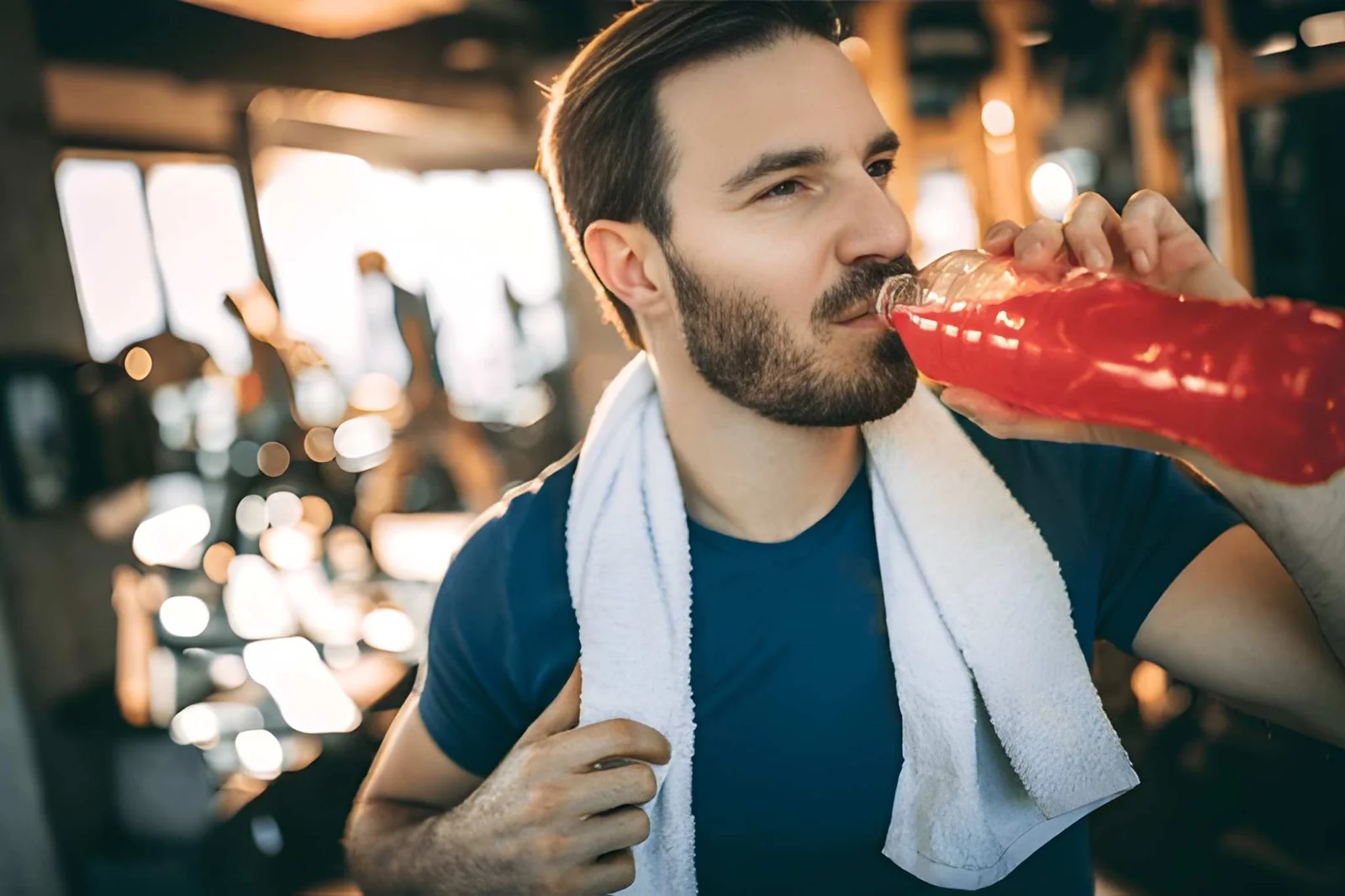
Imagine finishing a tough workout at a gym in Karachi. Your shirt is soaked, your muscles feel exhausted, and you can barely wait to reach your bag. Inside, you have three choices: a bottle of water, a brightly coloured sports drink, and a protein shake. You have heard that electrolytes restore energy, sports drinks improve performance, and protein helps build muscle. But which one does your body actually need?
Here is where many beginners get confused. Choosing the wrong drink might mean consuming extra sugar you do not need, while ignoring hydration after a sweaty training session can leave you feeling drained. The surprising part? The most expensive or heavily marketed drink is not always the best choice. Your ideal post-workout drink depends on how hard you trained, how much you sweated, and what you want to achieve.
Why Does Your Body Need a Drink After an Intense Workout?
During exercise, your body uses energy and loses water through sweat. You also lose electrolytes, including sodium, in amounts that vary according to your sweat rate, workout duration, and the surrounding temperature. If you train in hot and humid weather, replacing these losses becomes particularly important.
Hydration supports normal body temperature regulation and helps your body function properly. However, drinking after exercise is not only about quenching thirst. Your recovery may also require carbohydrates to replenish energy stores and protein to support muscle repair.
The goal is not to buy every drink available at the gym. It is to understand what your body needs and choose accordingly.
Water vs Sports Drinks vs Electrolyte Drinks
All three options can play a role in workout recovery, but they serve slightly different purposes.
1. Water: The Best Everyday Choice
For most gym lovers completing a typical workout lasting around an hour or less, water is usually sufficient. It replaces fluid lost through sweating without adding sugar, unnecessary calories, or extra ingredients.
Water is a practical choice after weight training, moderate cardio, a short cycling session, or a regular fitness class. You can drink it alongside a balanced meal containing carbohydrates and protein to support recovery.
For beginners, the simple rule is this: start with water unless your workout duration, sweat losses, or training conditions give you a reason to choose something else.
2. Sports Drinks: Useful for Prolonged Exercise
Sports drinks generally contain water, carbohydrates, and electrolytes. The carbohydrates provide energy, while electrolytes help replace minerals lost through sweat.
They may be useful for endurance athletes, long training sessions, competitive sports, or intense exercise lasting longer than an hour, especially in hot conditions. They can also help people completing multiple demanding sessions in one day.
However, sports drinks are not essential after every workout. Some contain considerable added sugar, which may not suit someone whose main goal is managing calorie intake. Read the nutrition label and consider whether you actually need the extra carbohydrates.
3. Electrolyte Drinks: When Sweat Loss Matters
Electrolyte drinks are designed to supply minerals such as sodium and potassium. Depending on the product, they may contain carbohydrates or very few calories.
They can be useful after prolonged exercise, heavy sweating, or training in hot weather. For example, someone running outdoors in Karachi's summer heat may have different hydration needs from someone completing a short indoor strength session in a cool gym.
Remember that electrolyte drinks are not automatically better than water. Their value depends on the workout and the amount of fluid and sodium you have lost. If you experience persistent dizziness, confusion, fainting, or other concerning symptoms after exercise, seek medical help rather than relying on a sports drink.
Which Drink Is Best for Muscle Growth?
This is where many beginners make a common mistake: they assume the drink that restores hydration fastest must also build the most muscle. In reality, hydration and muscle growth are related to recovery but are not the same thing.
Water helps replace fluid. Sports drinks can supply carbohydrates during demanding exercise. A protein shake supplies protein, which helps stimulate muscle protein synthesis, the process involved in repairing and building muscle tissue.
If your goal is muscle growth, focus on progressive strength training, sufficient daily protein, enough overall food, and consistent sleep. A protein shake can be convenient if your meals do not provide enough protein, but it is not compulsory. Eggs, milk, yoghurt, chicken, fish, beans, lentils, and other protein-rich foods can also contribute.
For many healthy adults who train regularly, sports nutrition research suggests approximately 1.4 to 2.0 grams of protein per kilogram of body weight per day can support training adaptations. Individual needs vary, so people with medical conditions should seek personalized advice.
Pro tip: You do not have to choose between water and a protein shake. Drink water to rehydrate, then have a protein-rich meal or shake if it fits your nutrition needs.
How to Choose the Right Drink for Your Workout
Use this simple guide to make your decision easier.
|
Workout situation |
Practical drink choice |
|
Short gym session or ordinary weight training |
Water |
|
Moderate cardio lasting less than an hour |
Usually water |
|
Long run, cycling session, or endurance training |
Consider a sports drink |
|
Prolonged exercise in hot weather with heavy sweating |
Consider an electrolyte drink or sports drink |
|
Strength training followed by a protein-poor meal |
Water plus a protein-rich meal or shake |
|
Multiple demanding sessions in one day |
Fluids, food, and electrolytes as needed |
These are general guidelines, not strict rules. Your sweat losses, fitness level, workout intensity, diet, and recovery time all matter. Avoid forcing down excessive amounts of water, as overdrinking can also be dangerous.
Staying Hydrated During Karachi's Hot Weather
In Pakistan, heat can make exercise more challenging, particularly for people training outdoors or in poorly ventilated spaces. Do not wait until you feel extremely thirsty to think about hydration. Drink regularly throughout the day, take breaks when needed, and adjust your exercise intensity during very hot conditions.
A reliable gym water bottle makes this routine easier. Keep it within reach during your session and refill it as needed. A reusable sports water bottle can also help you track how much you drink, although your exact fluid needs will depend on your sweat losses.
If you are comparing the plastic water bottles price in Pakistan, consider the bottle's intended use, material, durability, leak resistance, and ease of cleaning rather than price alone. Choose a reusable bottle intended for drinking water and follow the manufacturer's care instructions.
Are All Healthy Drinks Good After Exercise?
Not necessarily. Coconut water, milk, homemade smoothies, and other healthy drinks may fit into a recovery routine, but each provides different nutrients. Coconut water contains some electrolytes but may not replace the sodium lost during heavy sweating as effectively as a suitably formulated sports drink. Milk provides fluid, protein, and carbohydrates, making it a useful option for some people after training.
Energy drinks are a different category. They may contain caffeine and other stimulants and are not the same as sports drinks designed for hydration. Sugary soft drinks are also not the first choice for routine recovery.
The best approach is to match your drink to your needs instead of assuming that every product marketed for fitness improves performance.
Make Hydration Part of Your Gym Routine
Small habits can make post-workout recovery simpler. Bring your own bottle, drink regularly during exercise, and replenish fluids gradually afterward. If you train for long periods or sweat heavily, pay attention to your fluid and electrolyte losses. Eat a balanced meal that includes carbohydrates and protein, and give your body enough time to recover.
This is where choosing a practical bottle can help. Apple Homeware, the largest drinkware manufacturer in Pakistan, offers water bottles for everyday hydration needs. Whether you are heading to the gym, walking outdoors, or managing a busy routine, carrying a suitable reusable bottle can make drinking water more convenient.
The bottle itself will not improve your performance, but having water available makes it easier to build a consistent hydration habit.
The Final Verdict: Water or Sports Drinks?
For most everyday workouts, water is the best place to start. Sports drinks can be useful when prolonged, intense exercise creates a need for both fluid and carbohydrate replacement. Electrolyte drinks may help when sweat losses are substantial, especially in hot conditions. A protein shake serves a different purpose: it helps you meet your protein needs for muscle repair and growth.
So, before reaching for the most colourful bottle in the gym fridge, ask yourself three questions: How long did I train? How much did I sweat? And what does my body need for recovery?
Answer those questions, keep your water bottle close, and make your drink choice part of a smarter fitness routine.
References
- American College of Sports Medicine: Exercise and Fluid Replacement
- International Society of Sports Nutrition: Protein and Exercise
- Centers for Disease Control and Prevention: Water and Healthier Drinks

 English
 Arabic
 French
 Portuguese
 Deutsch
 Turkish
 Dutch
 Italiano
 Russian
 Romaian
 Portuguese (Brazil)
 Greek