
ATEX Robot Technology: Safe Automation in Hazardous Industrial Environments
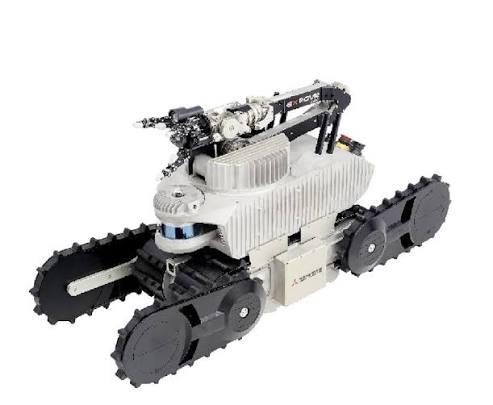
An ATEX robot is an industrial robotic system designed to operate in environments where flammable gases, vapors, combustible dust, or other hazardous substances may create an explosion risk. In the United States, industries such as chemical processing, oil and gas, pharmaceuticals, and manufacturing require specialized equipment to manage potentially explosive atmospheres. ATEX robot technology focuses on reducing ignition risks through protective enclosures, controlled electrical components, and specialized mechanical designs. These robotic systems can perform repetitive tasks, handle materials, and support industrial operations in challenging environments. Understanding the operating principles, safety requirements, and applications of an ATEX robot helps industrial facilities evaluate automation options. Although ATEX certification originates from European regulations, similar hazardous-location requirements apply in the United States through established electrical and workplace safety standards. The relationship between explosion protection and industrial robotics is essential for maintaining operational safety, equipment reliability, and consistent performance in hazardous working conditions.
Introduction to ATEX Robot Technology
Industrial automation has become an important part of modern manufacturing and processing facilities. However, certain industrial environments contain flammable substances that can create dangerous conditions when exposed to ignition sources.
An ATEX robot is designed for applications involving potentially explosive atmospheres. The term ATEX refers to European directives that establish requirements for equipment used in explosive environments. These requirements address equipment design, protection methods, and safe operation.
Robotic systems operating in hazardous locations require specialized engineering. Their electrical components, motors, sensors, and mechanical systems must be designed to minimize the possibility of ignition during normal operation and specified fault conditions.
Understanding Hazardous Industrial Environments
Hazardous environments are commonly found in industries that process combustible materials. These locations may contain gases, vapors, or airborne dust that can ignite when exposed to sufficient energy.
Several industrial environments may require explosion-protected robotic equipment:
-
Chemical manufacturing facilities
-
Oil and gas processing plants
-
Pharmaceutical production areas
-
Paint and coating facilities
-
Grain handling and food processing plants
-
Industrial facilities handling combustible powders
The presence of flammable substances does not automatically make every area hazardous. Risk assessments determine the classification of specific locations according to the type and concentration of hazardous materials.
Robotic equipment must be suitable for the conditions in which it operates.
How an ATEX Robot Works
An ATEX robot performs automated tasks while incorporating protective features intended to reduce ignition risks. Its design may include specialized electrical enclosures, protected motors, temperature controls, and carefully selected materials.
The robot's control system manages movement, positioning, and task execution. Sensors provide information about the surrounding environment and the robot's operating condition.
Explosion protection can involve several engineering approaches. Some designs prevent hazardous substances from entering sensitive components, while others use protective methods that limit the possibility of ignition.
The selection of protection depends on the hazardous atmosphere, equipment category, and operating conditions.
The robot's movement system must also account for environmental conditions. Mechanical friction, surface temperatures, and electrical faults may contribute to ignition risks if they are not properly controlled.
Important Features of ATEX Robot Systems
An ATEX robot may incorporate several specialized features to support safe operation.
Explosion-Protected Components
Electrical components are designed to reduce the likelihood of producing an ignition source. Protection methods may include sealed enclosures, controlled energy levels, or other approved engineering techniques.
Temperature Management
Excessive surface temperatures can become dangerous when combustible gases or dust are present. Temperature control helps maintain equipment operation within specified safety limits.
Specialized Sensors
Sensors monitor position, movement, and operating conditions. Their selection depends on the hazardous location and the required level of protection.
Controlled Robotic Movement
Robotic movement systems are designed to perform tasks within established operating parameters. Motion control helps reduce unexpected movement and supports consistent task execution.
Applications of ATEX Robot Technology in the USA
The United States has several industries where explosion-protected automation may be required.
Chemical Processing
Chemical facilities may handle flammable liquids, gases, and volatile compounds. Robots can support material handling, repetitive production tasks, and operations in classified areas.
Oil and Gas Industry
Oil refineries, processing facilities, and related industrial locations may contain explosive atmospheres. Specialized robots can assist with selected inspection and handling activities.
Pharmaceutical Manufacturing
Some pharmaceutical processes involve combustible powders, solvents, and other potentially hazardous materials. Explosion-protected robotic equipment may be used where the area classification and process conditions require it.
Food and Grain Processing
Certain food production environments generate combustible dust. Robotic systems used in these locations must be evaluated according to dust-related hazards and applicable safety requirements.
ATEX Requirements and US Safety Standards
ATEX directives are primarily associated with the European Union. In the United States, hazardous-location equipment is generally evaluated under different regulatory and technical frameworks.
The National Electrical Code, particularly Article 500 and related provisions, addresses hazardous locations. These provisions establish requirements for equipment used in areas containing flammable gases, vapors, or combustible dust.
The United States also uses Class, Division, and Zone classification systems. These classifications describe hazardous conditions and help determine suitable equipment protection.
An ATEX robot intended for use in the USA must be evaluated against the applicable American requirements. ATEX marking alone does not automatically establish compliance with US electrical codes or workplace safety regulations.
Benefits of Explosion-Protected Robotic Automation
Explosion-protected robotic systems can support industrial operations by reducing the need for direct human involvement in selected hazardous tasks.
Automation may improve consistency during repetitive operations and help facilities maintain predictable production processes. Robots can also perform tasks in locations where exposure to hazardous materials requires additional precautions.
However, their effectiveness depends on appropriate installation, maintenance, programming, and risk assessment.
Robotic automation does not eliminate every industrial hazard. Facilities must continue to apply established safety procedures and ensure that personnel understand the limitations of automated equipment.
Conclusion
ATEX robot technology represents an important area of industrial automation for environments containing potentially explosive substances. Its specialized engineering focuses on reducing ignition risks while supporting automated industrial tasks.
In the United States, equipment selection requires careful consideration of hazardous-location classifications and applicable safety standards. Understanding the relationship between explosion protection, robotic design, and industrial operating conditions helps facilities determine whether a robotic system is suitable for a particular application.

 English
 Arabic
 French
 Spanish
 Portuguese
 Deutsch
 Dutch
 Italiano
 Russian
 Romaian
 Portuguese (Brazil)
 Greek