
How an SEO-Friendly Website Helps NDIS Providers Grow
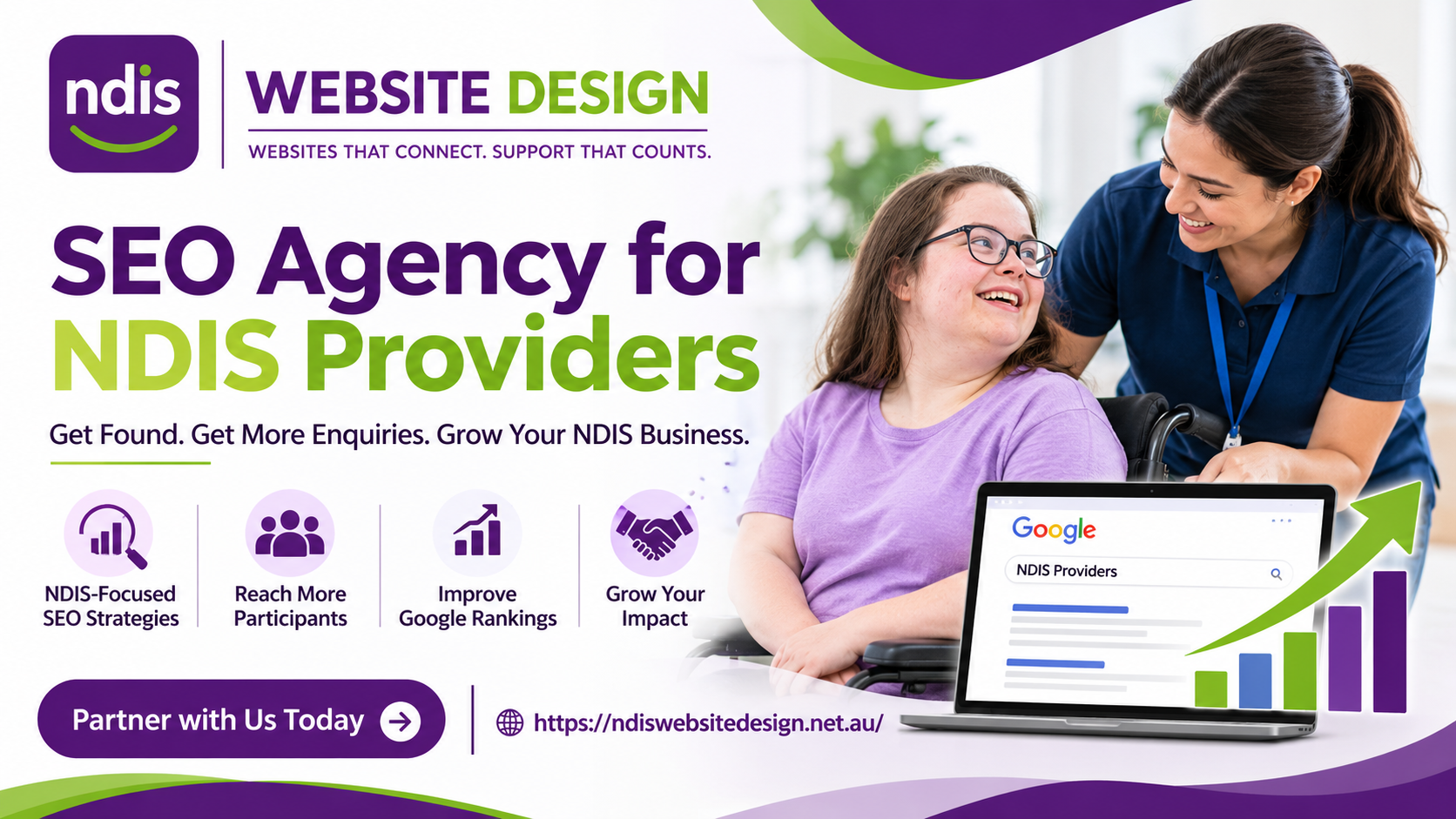
For many people searching for disability support, a website is their first introduction to an NDIS provider. Before making an enquiry, they may want to understand the organisation, explore available services, check service locations and decide whether the provider is suitable for their needs.
This makes website design and search engine optimisation important parts of building an online presence.
An SEO-friendly NDIS website helps search engines understand the information on each page while making it easier for visitors to find what they need. For NDIS providers, this means creating a website that combines clear information, accessible design and relevant content.
1. Helps Potential Clients Find Your Services
A website can look attractive but still struggle to attract visitors if its content is not properly optimised.
Search engines use website content and other signals to understand what a business offers. If an NDIS provider offers personal care, community participation and daily living support, these services should be explained clearly on the website.
Each important service should have relevant information rather than being hidden within a short general description.
For example, individual service pages can explain:
-
What the service involves.
-
Who may benefit from the support.
-
How the service is delivered.
-
Which locations are covered.
-
How to contact the organisation.
This structure helps visitors find relevant information and gives search engines a clearer understanding of the website.
2. Improves the Website Experience
Website experience matters because visitors should not have to work hard to find basic information.
A confusing menu, difficult navigation or poorly organised content can make people leave before they understand what the provider offers.
An SEO-friendly website should have a logical structure, readable headings, clear service categories and simple navigation.
Important information such as contact details, enquiry forms and service areas should be easy to locate.
The website should also work consistently across desktop computers, tablets and smartphones.
3. Supports Accessibility and Inclusion
Accessibility is particularly important for websites belonging to disability support organisations.
Visitors may have different access requirements and use assistive technologies to browse online information. A website should be designed with these needs in mind.
Useful accessibility considerations include:
-
Clear and readable typography.
-
Sufficient colour contrast.
-
Descriptive alternative text for meaningful images.
-
Keyboard-friendly navigation.
-
Proper heading structure.
-
Descriptive links and buttons.
-
Clear form labels and instructions.
-
Captions or transcripts for relevant video content.
Following recognised accessibility guidance, such as the Web Content Accessibility Guidelines (WCAG), can help create a more inclusive website experience.
Accessibility should be considered from the beginning of website development rather than treated as a last-minute adjustment.
4. Strengthens Local Search Visibility
Many NDIS providers operate within particular suburbs or service regions. Potential clients may search for support using both a service name and a location.
For example, someone might search for community participation support in Melbourne or personal care services in a nearby suburb.
An SEO-friendly website can address these searches through accurate service descriptions and useful location information.
Providers can improve their local SEO by maintaining consistent business details, optimising their Google Business Profile and creating location pages where there is genuine service coverage.
The content should always reflect the areas the organisation actually serves.
5. Builds Trust With Participants and Families
Trust is an important part of the decision-making process when people are researching disability support.
A well-organised website can help communicate professionalism and make it easier for visitors to understand the organisation.
Consider including:
-
An informative About Us page.
-
Clear descriptions of support services.
-
Staff and team information where appropriate.
-
Accurate contact details.
-
Relevant qualifications and registrations, where applicable.
-
Genuine testimonials used with permission.
-
Clear explanations of the enquiry process.
Avoid exaggerated promises or claims that cannot be supported. Honest, helpful information creates a better foundation for trust.
6. Creates More Opportunities for Enquiries
A website should make the next step clear for visitors who want more information.
If someone finds a relevant service page but cannot work out how to contact the provider, the website may lose a valuable enquiry opportunity.
Clear calls to action can help solve this problem.
Examples include:
-
Contact Our Team.
-
Ask About Our Services.
-
Request More Information.
-
Speak With Our Team.
Enquiry forms should be simple and request only the information needed to respond. Visitors should also be able to find phone and email contact options easily.
7. Supports Long-Term SEO Growth
An SEO-friendly website creates a foundation for ongoing search optimisation.
With the right structure in place, providers can continue improving their online visibility through content updates, technical improvements, keyword research and relevant backlinks.
Working with an SEO agency for NDIS providers can help identify opportunities and build a strategy that reflects the organisation's services and goals.
Professional NDIS SEO services may include website audits, on-page optimisation, local SEO, content development and performance monitoring.
Rather than focusing only on rankings, providers should also measure whether the website attracts relevant visitors and generates genuine enquiries.
Final Thoughts
An SEO-friendly website can support NDIS business growth by improving search visibility, making information easier to access and creating a better experience for potential clients.
The strongest websites combine useful content, accessible design, mobile usability and a clear enquiry process.
At NDIS Website Design, we create websites and online marketing solutions for Australian NDIS providers. By bringing together website design, development and SEO, we help disability support businesses build an online presence that communicates their services clearly and supports their long-term growth.

 English
 Arabic
 French
 Spanish
 Portuguese
 Deutsch
 Turkish
 Dutch
 Russian
 Romaian
 Portuguese (Brazil)
 Greek