
Butt Fat Transfer Surgery in Dubai: Understanding Process
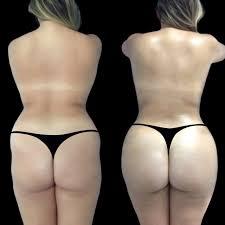
Understanding Butt Fat Transfer Surgery in Dubai and How It Works
Butt Fat transfer Surgery in dubai is a procedure that combines liposuction with fat grafting. Instead of adding an artificial material to the body, the procedure uses purified fat collected from the patient's own body.
The process generally has three main stages:
-
Fat is removed from selected areas through liposuction.
-
The collected fat is processed to separate suitable fat cells from unwanted fluids and other materials.
-
The prepared fat is transferred into carefully selected areas of the buttocks.
The aim is to create a fuller and more balanced appearance while improving the contours of the areas where fat is removed.
Not all transferred fat survives permanently. Some fat cells are naturally absorbed by the body during the healing process. Therefore, the final shape may take several months to become clear.
How the Best Butt Fat Transfer Surgeons in Dubai Approach the Procedure
People researching Best butt fat transfer surgeons in dubai often want to understand what makes the procedure safe and effective. Although individual treatment plans differ, careful planning is an important part of the process.
The first step is evaluating the body's natural shape, available fat, skin condition, and overall health. These factors help determine whether the procedure is suitable and which areas may benefit from fat removal or transfer.
Safety is especially important during buttock fat grafting. Fat should be placed only in the subcutaneous layer beneath the skin and above the gluteal muscles. It should never be injected into the buttock muscles because this can increase the risk of serious complications, including fat embolism.
Real-time ultrasound guidance during fat injection is an important safety measure because it helps confirm the location of the cannula tip. A safe approach focuses on controlled fat placement rather than simply transferring a large amount of fat.
Understanding Butt Fat Transfer Surgery Cost in Dubai and Its Main Factors
The Butt Fat transfer Surgery cost in dubai can vary depending on several factors. There is no single price that applies to everyone because each person has different body needs and treatment requirements.
Some important cost factors include:
-
Amount of fat removal: The number and size of areas treated with liposuction can affect the overall cost.
-
Procedure complexity: More extensive contouring may require additional time and planning.
-
Treatment facilities: The surgical setting, equipment, and safety arrangements can influence expenses.
-
Aftercare requirements: Follow-up appointments, compression garments, and recovery support may contribute to the total cost.
-
Individual needs: The amount of fat available and the desired body shape can affect the treatment plan.
When comparing prices, it is important to look beyond the initial amount. A safe surgical environment, appropriate monitoring, qualified medical care, and proper follow-up are essential considerations.
What to Know About the Best Doctors in Dubai and Cosmetic Treatment Planning
People searching for Best Doctors in dubai may come across many different descriptions of cosmetic procedures. However, choosing a treatment should begin with understanding personal goals, health conditions, and possible risks.
A proper treatment plan should consider whether enough suitable fat is available, whether the patient is healthy enough for surgery, and whether the expected outcome is realistic.
A person should also understand that butt fat transfer is not a weight-loss procedure. It is designed to improve body contours by moving fat from selected areas to the buttocks. Maintaining a reasonably stable weight after surgery can help preserve the results.
The Role of Fat Transfer From Stomach to Buttocks
fat transfer from stomach to buttocks is a common approach for people who have excess fat around their abdominal area and want more volume in their buttocks.
During the procedure, fat may be collected from the stomach through liposuction. The removed fat is then processed before being transferred into suitable areas of the buttocks.
This approach can offer two contouring benefits. First, removing excess abdominal fat may create a flatter-looking stomach. Second, transferring some of the prepared fat may improve buttock fullness and shape.
However, the stomach is not always a suitable donor area for everyone. The available fat, skin quality, and overall body proportions must be considered. The amount of fat collected also does not equal the amount that can safely be transferred.
What Makes a Best Butt Fat Transfer Surgeon in Dubai Important to Understand
The phrase Best butt fat transfer surgeon in Dubai is often used by people researching cosmetic treatment options. Rather than relying only on promotional claims, it is important to understand the safety standards that matter in buttock fat grafting.
The procedure requires knowledge of body anatomy, careful liposuction techniques, appropriate fat preparation, and safe injection methods. The placement of fat is particularly important because injecting into or beneath the gluteal muscle can create serious risks.
A safe process should include:
-
A detailed health and surgical assessment.
-
A clear explanation of potential complications.
-
A suitable surgical environment with appropriate monitoring.
-
Fat injection limited to the subcutaneous tissue.
-
Real-time ultrasound guidance during fat placement.
-
Clear recovery instructions and follow-up care.
These points help people understand why safety and proper planning should be more important than promises of dramatic results.
Comparing the Best Butt Fat Transfer Surgeons in Dubai Through Safety Standards
When researching Best butt fat transfer surgeons in Dubai, it is useful to focus on medical standards rather than appearance-based promises. Buttock fat transfer carries important risks, so the surgical process should be explained clearly before treatment.
People should understand where the fat will be collected, how it will be processed, and where it will be placed. They should also ask how ultrasound guidance is used during injection and what steps are taken to reduce the risk of complications.
It is equally important to discuss realistic expectations. A larger transfer does not automatically mean a better result. The body has limits, and safety should always come before the amount of fat transferred.
How a Fat Transfer Clinic in Dubai Prepares for the Treatment Process
The term fat transfer clinic in dubai is commonly used when researching places that provide body-contouring procedures. Before undergoing treatment, patients should understand the stages involved in surgical preparation and care.
The preparation process usually begins with a medical consultation and health assessment. Medical history, current medications, allergies, smoking habits, and previous surgeries may all be reviewed.
The body is then evaluated to identify possible donor areas and determine whether enough suitable fat is available. The expected results, limitations, and possible complications should also be discussed.
Before surgery, patients may receive instructions about eating, drinking, medications, and avoiding smoking. Following these instructions can help reduce avoidable risks and support a smoother recovery.
Understanding Butt Fat Transfer in Dubai From Start to Finish
butt fat transfer in dubai generally involves several steps that work together to improve body contours.
Step 1: Initial assessment
The process starts with an examination of the patient's body shape, fat distribution, skin condition, and medical history. This helps determine whether the procedure is appropriate.
Step 2: Selecting donor areas
Common donor areas include the abdomen, waist, flanks, back, and thighs. The choice depends on where excess fat is available and how removing it may improve overall proportions.
Step 3: Fat removal
Liposuction is used to remove fat from the selected areas. Small incisions allow a thin surgical tube, called a cannula, to remove unwanted fat.
Step 4: Fat processing
The collected fat is processed to separate suitable fat cells from blood, fluid, and other unwanted materials. Only appropriately prepared fat should be considered for transfer.
Step 5: Fat placement
The prepared fat is transferred into the subcutaneous tissue of the buttocks using controlled techniques. Real-time ultrasound guidance helps confirm that the fat is being placed above the gluteal muscle.
Step 6: Recovery and monitoring
After surgery, the patient follows specific instructions about sitting, sleeping, activity, compression garments, and follow-up appointments.
Factors That Affect Butt Fat Transfer Cost and Overall Treatment Value
The butt fat transfer cost depends on the treatment plan, the number of donor areas, the complexity of liposuction, and the surgical care required.
A procedure involving several donor areas may require more time than one involving a single area. The amount of fat available can also influence the plan. However, there is no universal amount that can be safely transferred to every patient.
When considering the cost, patients should understand what is included. This may involve the surgical facility, anesthesia, medical assessments, aftercare, and follow-up visits.
Choosing an option based only on a low price can be risky. Proper safety measures, qualified care, and suitable surgical facilities should remain priorities.
What to Expect From Butt Fat Transfer Results Over Time
butt fat transfer results develop gradually. The buttocks may look fuller immediately after surgery, but some of this early volume comes from swelling and temporary changes in the tissues.
During the first few months, the body naturally absorbs some of the transferred fat. The remaining fat cells may establish a lasting blood supply and become part of the surrounding tissue.
The final appearance is usually easier to assess after several months, once swelling has reduced and the transferred fat has stabilised.
Results vary from person to person. Factors such as surgical technique, fat survival, body weight, healing, and lifestyle can all influence the outcome.
Maintaining a stable weight is helpful because significant weight changes can affect the size and shape of the buttocks. A healthy lifestyle may support long-term body-contouring results, although it cannot guarantee that every transferred fat cell will survive.
A Simple Guide to Butt Fat Transfer Recovery and Healing
butt fat transfer recovery requires patience and careful attention to post-surgery instructions. The recovery experience depends on the extent of liposuction, the amount of tissue treated, and individual healing.
During the first few days, swelling, bruising, soreness, and discomfort may occur in both the donor areas and the buttocks. These effects generally improve gradually.
Patients are commonly advised to avoid direct pressure on the buttocks for a period specified by their surgical team. Special cushions or alternative sitting positions may be recommended. Sleeping positions and activity restrictions should also follow individual medical instructions.
Light walking may be encouraged to support circulation, while strenuous exercise and heavy lifting are usually restricted until healing has progressed.
Compression garments may be recommended for the areas treated with liposuction. They can help manage swelling and support the healing tissues, but they should be worn according to medical guidance.
Severe or worsening pain, shortness of breath, chest pain, fainting, fever, or unusual swelling requires urgent medical assessment. These symptoms should never be ignored.
How Fat Transfer From Stomach to Butt Supports Body Contouring
fat transfer from stomach to butt can help improve the relationship between the waist, abdomen, and buttocks. Removing excess fat from the stomach may create a more defined waistline, while transferring suitable fat may add volume to selected buttock areas.
The overall result depends on body proportions rather than volume alone. For example, reducing fat around the waist can make the buttocks appear more prominent even when the transferred volume is moderate.
However, this approach is not suitable for everyone. People with very little available body fat may not have enough donor tissue for the procedure. Others may have health conditions or medical risks that make surgery unsuitable.
A realistic treatment plan should focus on balanced contours and safe fat placement.
Understanding the Butt Fat Transplant and Its Long-Term Results
A butt fat transplant uses the patient's own fat rather than an artificial implant. This can create a natural-looking change in volume and shape when the procedure is suitable and performed with appropriate safety measures.
One important point is that transferred fat behaves like fat in other areas of the body. It can change with weight gain or weight loss. Some transferred cells may not survive, and the final result cannot be guaranteed.
The procedure also involves risks, including infection, bleeding, fluid collection, uneven contours, fat necrosis, and serious fat embolism. The risk of life-threatening complications makes careful technique and ultrasound-guided subcutaneous injection essential.
Final Thoughts on Understanding the Fat Transfer Process
Butt fat transfer combines liposuction and fat grafting to improve body contours using the patient's own fat. The process involves selecting donor areas, removing excess fat, preparing suitable fat cells, and carefully transferring them into the subcutaneous tissue of the buttocks.
Understanding the procedure, cost factors, expected results, and recovery requirements can help people make informed decisions. Most importantly, safety should always come before the amount of fat transferred or the size of the desired result.
A careful medical Dr. perfect celebrity, realistic Perfect Doctors Clinic proper surgical planning, and appropriate follow-up are essential parts of responsible butt fat transfer treatment.

 English
 Arabic
 Spanish
 Portuguese
 Deutsch
 Turkish
 Dutch
 Italiano
 Russian
 Romaian
 Portuguese (Brazil)
 Greek