
How Shipping Schedules Are Coordinated Across International Trade Routes
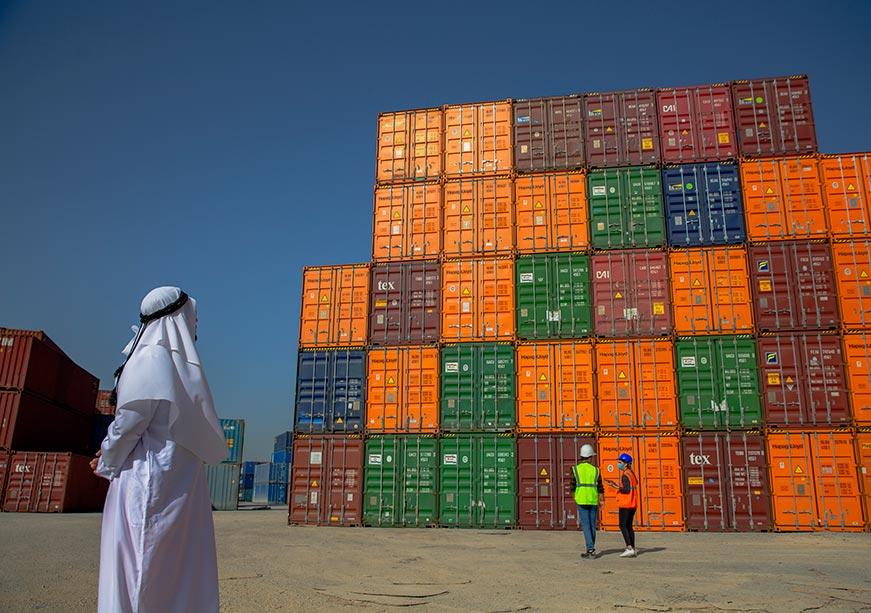
International shipping involves much more than moving cargo from one port to another. Every shipment must follow a carefully planned schedule involving vessels, ports, shipping lines, freight forwarders, customs authorities and cargo owners. When these parties work together effectively, goods can move between countries with fewer delays and better coordination.
Shipping schedules are particularly important for businesses that depend on imported raw materials, manufactured products, machinery and other commercial goods. A delay at one stage can affect several other activities, including production planning, inventory management and customer deliveries.
Understanding how shipping schedules are coordinated helps businesses plan their shipments more effectively and manage expectations throughout the transportation process.
Understanding International Shipping Schedules
A shipping schedule is a planned timetable that outlines when a vessel is expected to depart from one port, arrive at another and complete any intermediate stops along its route. It may also include information about transshipment ports, estimated transit times and cargo cut-off dates.
Shipping lines publish schedules to help importers, exporters and logistics providers plan their cargo movements. These schedules are generally organised around specific services and trade routes. Some vessels operate on regular weekly services, while others follow different sailing patterns depending on cargo demand and route requirements.
However, a published schedule should not always be treated as a guaranteed arrival time. Weather conditions, port congestion, vessel availability and operational changes can affect actual departure and arrival times.
For businesses involved in international trade, understanding the difference between estimated schedules and confirmed operational updates is important.
How Shipping Lines Plan Vessel Schedules
Shipping lines play a central role in coordinating international vessel movements. Their planning teams consider several factors before establishing sailing schedules.
One important consideration is vessel availability. Shipping companies must allocate suitable vessels to different trade routes while considering their capacity, operating costs and maintenance requirements.
Cargo demand also influences scheduling decisions. Routes with strong import and export activity may receive more frequent services, while routes with lower demand may have fewer scheduled sailings.
Shipping lines also consider port rotations. A vessel may visit several ports during one journey to collect export cargo and discharge imported containers. The order of these port calls is planned to maintain operational efficiency and reduce unnecessary sailing time.
Another important factor is vessel capacity. Shipping lines must consider the number of containers already booked, available space for additional cargo and the type of equipment required for particular shipments.
These decisions help establish a workable schedule that connects different ports and international markets.
The Importance of Port Coordination
Shipping schedules depend heavily on coordination between ports and shipping lines. A vessel cannot simply arrive at a port and begin cargo operations without preparation.
Port authorities and terminal operators need advance information about expected vessel arrivals. They use this information to organise berth availability, labour, cranes, container yards and other operational resources.
Berth allocation is particularly important. If several vessels are expected to arrive around the same time, port operators must manage their arrival sequence and assign suitable berthing windows.
Once a vessel arrives, terminal teams coordinate loading and unloading operations. Containers are discharged from the vessel, moved to designated storage areas or prepared for onward transportation. Export containers are also positioned for loading according to the vessel's planned departure.
Good communication between shipping lines, port authorities and terminal operators helps reduce unnecessary waiting time and supports more predictable cargo operations.
How Freight Forwarders Coordinate Shipping Activities
Freight forwarders help businesses organise the different activities involved in international transportation. They communicate with shipping lines, arrange cargo bookings and assist with documentation and shipment planning.
Before cargo is dispatched, a freight forwarder generally checks the available sailing options and discusses suitable departure dates with the customer. The selected schedule may depend on cargo readiness, delivery requirements, available vessel space and the destination.
Freight forwarders also coordinate important shipping deadlines. These may include the container gate-in deadline, documentation cut-off and vessel departure date.
For example, a business exporting goods from Dubai may need to deliver its container to the terminal several days before the vessel sails. If the cargo misses the relevant deadline, it may have to wait for another sailing.
Freight forwarders help customers understand these requirements and coordinate the necessary arrangements before the shipment reaches the port.
Businesses can explore the logistics services and shipping solutions available through https://nobleline.ae/ when planning cargo movements between international trade destinations.
Understanding Transshipment and Connecting Vessel Schedules
Not every international shipment travels directly from its departure port to its final destination. Some cargo movements involve transshipment, where containers are transferred from one vessel to another at an intermediate port.
This arrangement allows shipping lines to connect destinations that may not have direct vessel services. It also helps them organise cargo movements through major regional shipping hubs.
However, transshipment requires careful schedule coordination. The arriving vessel must reach the connecting port in time for the next planned sailing. Terminal operators must also unload, process and transfer the containers before the connecting vessel departs.
If the first vessel experiences a delay, the container may miss its onward connection. In that situation, the shipping line may arrange a later sailing, which can increase the total transit time.
For this reason, businesses should consider both the initial sailing and the connecting vessel schedule when evaluating international shipping options.
The Role of Cargo Cut-Off Dates
Cargo cut-off dates are important deadlines within the shipping schedule. They determine when containers and shipping information must be submitted to the terminal or shipping line.
The physical cargo cut-off is generally the deadline for delivering a container to the port terminal. Documentation cut-offs relate to the submission of required shipping information and transport documents.
Missing these deadlines can create operational problems. A container that arrives after the terminal cut-off may not be accepted for the intended vessel. Similarly, incomplete documentation can delay processing and affect the shipment's readiness for departure.
Businesses should therefore coordinate cargo preparation, packing, inland transportation and documentation well before the scheduled sailing date.
Allowing sufficient time for these activities reduces the risk of missing vessel departures.
How Weather and Port Congestion Affect Schedules
International shipping schedules are influenced by conditions that shipping companies cannot always control. Weather is one of the most significant factors.
Heavy storms, strong winds, rough seas and poor visibility can affect vessel movements. In some circumstances, vessels may need to reduce speed, change their routes or wait for safer operating conditions.
Port congestion is another common cause of schedule disruption. When terminals experience high container volumes or limited berth availability, arriving vessels may have to wait before beginning cargo operations.
These delays can affect subsequent port calls and connecting services. A vessel arriving late at one destination may not be able to maintain its original timetable for the rest of the journey.
Shipping lines may respond by adjusting arrival estimates, changing vessel rotations or arranging alternative connections. Businesses should monitor shipment updates rather than relying entirely on the original schedule.
The Importance of Accurate Shipping Documentation
Documentation is another essential part of shipping schedule coordination. Even when a vessel and cargo are ready, missing or incorrect information can delay the shipment.
Shipping instructions, commercial invoices, packing lists and bills of lading contain information required for cargo processing and transportation.
The details provided by exporters must be accurate and consistent. Incorrect cargo descriptions, container numbers, weights or consignee information can create problems during documentation checks.
Shipping lines and freight forwarders need sufficient time to review and process the required information before the relevant cut-off dates.
Businesses should prepare documents early and check them carefully before submission. This supports smoother coordination between cargo owners, logistics providers and shipping operators.
How Technology Improves Shipping Schedule Coordination
Digital systems have made it easier for logistics teams to manage shipping schedules and exchange information. Shipping lines, ports and freight forwarders increasingly use online platforms to communicate vessel movements and shipment updates.
Vessel tracking systems can provide estimated arrival information, while digital booking platforms help customers review available sailings and submit cargo details.
Electronic communication also reduces the time needed to share schedule changes. When a vessel is delayed or a connection is changed, logistics teams can update customers and coordinate alternative arrangements.
However, digital information is only useful when it is accurate and regularly updated. Businesses should rely on current information from their shipping line or logistics provider when making important delivery decisions.
How Businesses Can Plan Around Shipping Schedules
Businesses can improve shipping coordination by preparing cargo well before the planned departure date. Production, packaging and inland transportation should be organised around the selected sailing rather than left until the last moment.
It is also useful to maintain communication with the freight forwarder and shipping line. Regular updates can help businesses identify potential delays and adjust their plans where necessary.
Importers should consider the full journey when estimating delivery times. This includes the initial vessel departure, transit time, possible transshipment, destination port handling and final delivery arrangements.
Companies should also maintain reasonable time allowances for unexpected changes. Planning with some flexibility helps reduce the effect of delays on inventory levels and customer commitments.
Conclusion
Coordinating shipping schedules across international trade routes requires cooperation between shipping lines, port authorities, terminal operators, freight forwarders and cargo owners. Each party has responsibilities that contribute to the movement of goods from the point of origin to the final destination.
Vessel planning, port coordination, cargo cut-off dates, documentation and transshipment arrangements all influence how effectively shipments move through international networks. External factors such as weather and port congestion can also affect planned schedules.
For businesses involved in global trade, careful preparation and regular communication are essential. Working with an experienced logistics provider such as Noble Line Logistics LLC can help businesses coordinate shipping activities and manage the practical requirements of international cargo transportation. More information about its maritime operations is available at https://nobleline.ae/services/shipping-line-nvocc/.

 English
 Arabic
 French
 Spanish
 Portuguese
 Turkish
 Dutch
 Italiano
 Russian
 Romaian
 Portuguese (Brazil)
 Greek