
How Do You Remove Weeds from Paver Joints? Effective Methods and Prevention Tips
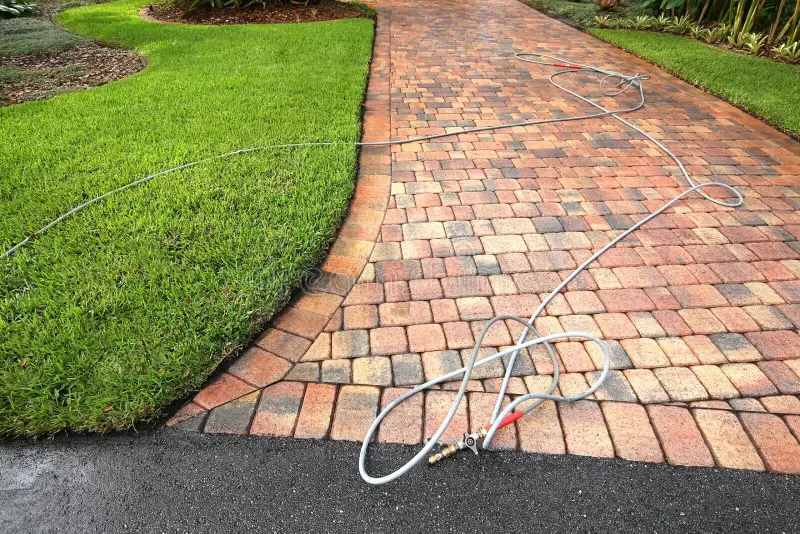
Weeds growing between pavers can affect the appearance and maintenance of driveways, patios, walkways, and outdoor living spaces. Seeds can settle into small gaps between paving stones, where moisture, sunlight, and accumulated organic debris create suitable conditions for growth. Over time, unwanted vegetation can spread throughout the joints and make paved surfaces look poorly maintained.
How do you remove weeds from paver joints? The process involves removing existing vegetation, cleaning the gaps, restoring joint material, and addressing conditions that encourage regrowth. The appropriate method depends on weed growth, joint condition, paving material, and the size of the affected area.
1. Remove Weeds Manually
Manual removal is one of the simplest methods for eliminating weeds growing between individual pavers. It is particularly useful when vegetation is limited to a few joints.
A narrow weeding tool, joint scraper, or suitable hand tool can help loosen weeds and remove their roots. Pulling weeds carefully is important because leaving roots behind may allow certain varieties to grow again.
Important considerations include:
- Remove weeds before they produce seeds.
- Loosen vegetation carefully to avoid damaging paver edges.
- Remove visible roots wherever possible.
- Collect and dispose of the removed vegetation.
- Inspect nearby joints for additional growth.
Manual removal is suitable for small areas but can require considerable time when weeds are widespread.
2. Use Pressure Washing to Clean Paver Joints
Pressure washing can help remove weeds, loose organic material, dirt, and accumulated debris from paver joints.
Water pressure should be adjusted according to the paving material and joint condition. Excessive pressure can displace joint sand, damage delicate surfaces, or disturb the underlying bedding material.
After cleaning, the joints should be inspected to determine whether additional sand is necessary.
Pressure washing is particularly useful when vegetation is accompanied by algae, dirt, and other surface contaminants. However, it does not prevent future weed growth on its own.
3. Apply Suitable Weed Treatments
Certain weed treatments can help control unwanted vegetation between pavers. The appropriate product depends on the plant species, surrounding landscaping, and environmental conditions.
Herbicides should be selected and applied according to their label instructions. Care should be taken to avoid unwanted contact with nearby plants, lawns, drainage systems, and water sources.
Non-chemical methods, including manual removal and mechanical cleaning, may be preferable in areas where chemical exposure is a concern.
Regardless of the method, removing visible vegetation and addressing the conditions that support growth are important for long-term maintenance.
4. Remove Organic Debris from the Joints
Weed seeds commonly settle in accumulated dirt, leaves, decomposing plant material, and other debris between pavers.
Regular cleaning helps reduce the amount of organic material available for seed germination.
A stiff-bristled outdoor brush can be used to remove loose debris from the joints. Sweeping the paved surface regularly also helps prevent leaves, soil, and other materials from collecting in gaps.
Keeping joints relatively clean makes it more difficult for unwanted vegetation to establish itself.
5. Replace Missing or Damaged Joint Sand
Joint sand fills the spaces between individual pavers and helps maintain their position. When sand becomes depleted through rainfall, pressure washing, or regular surface use, gaps can provide opportunities for weed growth.
After removing vegetation and cleaning the joints, missing sand should be replenished with a suitable joint material.
Polymeric sand is another option for compatible paving installations. It contains binding additives that help the sand harden after proper activation with water.
Its effectiveness depends on correct installation, joint depth, material compatibility, and following the manufacturer's instructions.
Properly maintained joints help reduce the accumulation of debris and limit the conditions that encourage weed establishment.
6. Consider Polymeric Sand for Weed Prevention
Polymeric sand is frequently used in concrete paver installations because it provides more joint stability than ordinary loose sand when properly installed.
Once activated, its binding agents help hold the sand together within the joints.
Potential advantages include:
- Improved joint stability.
- Reduced movement of joint material.
- Less space for organic debris to accumulate.
- Resistance to erosion from ordinary rainfall.
- Easier routine maintenance when correctly installed.
However, polymeric sand does not guarantee complete weed prevention. Seeds can still germinate in debris that accumulates above the joints. Proper surface preparation and installation are therefore essential.
7. Prevent Weeds from Returning
Preventive maintenance is important because removing existing weeds does not eliminate the possibility of future growth.
Several maintenance practices can help reduce recurring vegetation:
Regular sweeping: Removing leaves, soil, and organic debris limits the material in which seeds can establish.
Timely weed removal: Small weeds are generally easier to remove before their roots become established.
Proper joint maintenance: Missing or deteriorated sand should be replenished when necessary.
Effective drainage: Standing water and excessive moisture can encourage unwanted plant growth in paved areas.
Routine inspection: Periodically checking driveways, patios, and walkways helps identify early weed growth before it spreads.
These practices are particularly useful in humid environments where rainfall and moisture can encourage vegetation growth.
8. When Is Professional Cleaning Necessary?
Extensive weed growth, deteriorated joint sand, and accumulated organic debris may require more thorough surface maintenance.
Professional cleaning may involve inspecting the paving, removing vegetation, pressure washing with appropriate equipment, cleaning joints, and replenishing suitable joint material.
The condition of the underlying base should also be considered when pavers have become uneven or loose. These issues may indicate problems beyond ordinary weed growth.
Conclusion
Removing weeds from paver joints requires more than pulling visible vegetation. Manual removal, pressure washing, suitable weed treatments, debris removal, and joint sand replacement can all contribute to maintaining clean paving surfaces.
Preventive maintenance is equally important. Regular sweeping, proper drainage, stable joint sand, and timely inspections help reduce the conditions that encourage weeds to return. The most appropriate removal method depends on the paving material, joint condition, and extent of vegetation growth.

 English
 Arabic
 French
 Spanish
 Portuguese
 Deutsch
 Turkish
 Dutch
 Italiano
 Russian
 Romaian
 Greek