
Hidden Oral Health Problems That Your Toothbrush Cannot Fix
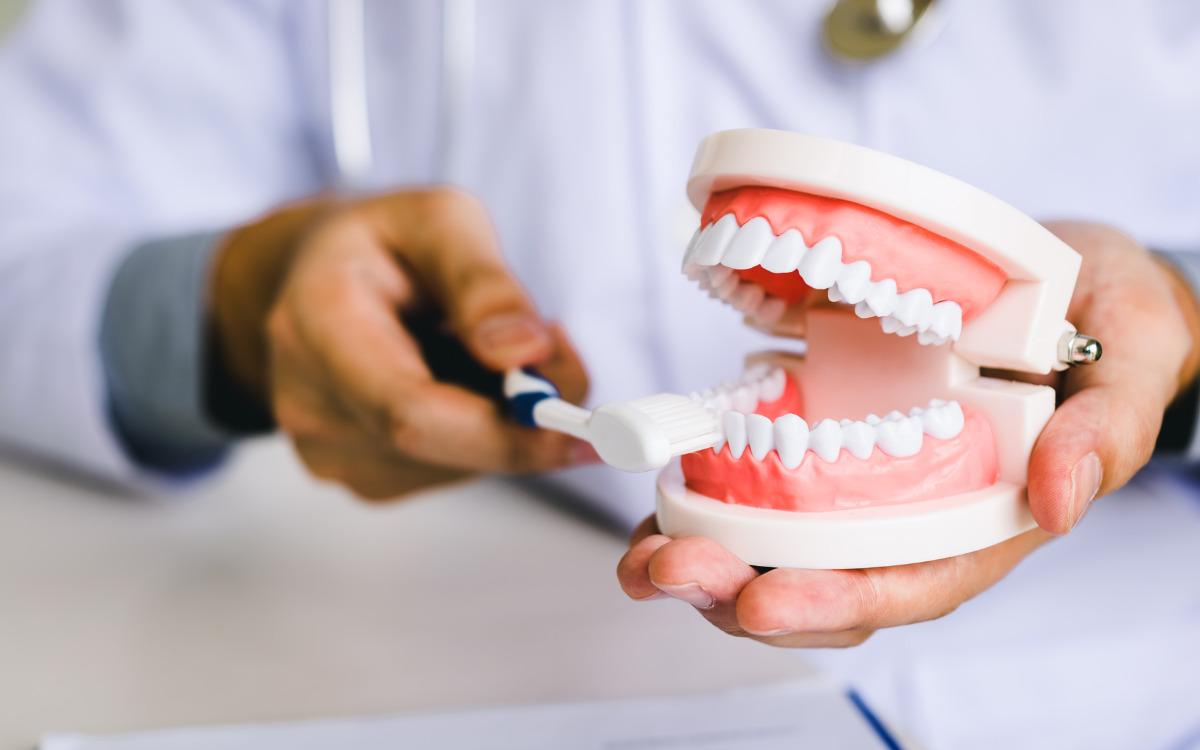
If you are wondering why my mouth smells bad even after brushing, the answer may be an oral health problem that your toothbrush cannot fully address. Brushing twice a day is one of the most important parts of maintaining healthy teeth, but it cannot remove every type of bacteria, reach every area of the mouth, or treat conditions such as gum disease, tooth decay, dental infections, or dry mouth. Speaking with a Dentist Ripponlea can help identify hidden problems when unpleasant breath, sensitivity, bleeding gums, or other symptoms continue despite a good daily routine.
Good oral hygiene involves more than brushing. Cleaning between your teeth, caring for your gums and tongue, maintaining regular dental check-ups, and addressing symptoms early are all important for long-term oral health.
Why Brushing Alone Is Not Enough
A toothbrush cleans the surfaces of your teeth, but your mouth contains many areas that are difficult to reach with brushing alone. Plaque and bacteria can accumulate between teeth, around the gumline, on the tongue, and in areas affected by dental problems.
Brushing also cannot repair a cavity, treat an infected tooth, or reverse established gum disease.
This means you can have a consistent brushing routine and still experience:
-
Persistent bad breath
-
Bleeding gums
-
Tooth sensitivity
-
Toothache
-
Swelling
-
Bad taste in your mouth
When symptoms continue, professional assessment can help determine what is happening beneath the surface.
Hidden Problem 1: Bacteria on the Tongue
The tongue has a naturally uneven surface containing small grooves and areas where bacteria, food particles, and dead cells can accumulate.
If you brush your teeth but do not clean your tongue, bacteria can remain there and contribute to unpleasant breath.
This may be one reason you keep asking why my mouth smells bad even after brushing.
Gently cleaning your tongue can be included in your daily oral hygiene routine. However, persistent bad breath may have another cause, so ongoing symptoms should not simply be attributed to the tongue.
Hidden Problem 2: Plaque Between Your Teeth
Your toothbrush cannot effectively reach all the surfaces between your teeth. Food particles and plaque can remain in these areas unless they are cleaned separately.
Over time, plaque can contribute to:
-
Tooth decay
-
Gum inflammation
-
Bad breath
-
Bleeding gums
Cleaning between your teeth once a day with floss, interdental brushes, or another suitable method can help remove build-up from these areas.
A Dentist Ripponlea can recommend the most appropriate interdental cleaning method based on the spaces between your teeth and the condition of your gums.
Hidden Problem 3: Gum Disease
Gum disease can develop gradually and may not always cause significant pain in its early stages.
Plaque build-up around the gumline can cause inflammation. Signs may include:
-
Red gums
-
Swollen gums
-
Bleeding while brushing
-
Tenderness
-
Persistent bad breath
-
Receding gums
As gum disease progresses, deeper spaces can develop around the teeth, making it more difficult to clean the affected areas at home.
A toothbrush cannot treat established gum disease on its own. Professional assessment and treatment may be necessary.
Hidden Problem 4: Tooth Decay
Tooth decay can develop in areas that are difficult to see or clean. Early decay may not cause any noticeable symptoms.
As decay progresses, you may experience:
-
Tooth sensitivity
-
Pain when eating
-
Sensitivity to hot or cold foods
-
Toothache
-
Visible dark spots or holes
Brushing with fluoride toothpaste can help prevent tooth decay, but it cannot repair a cavity that has already developed.
Regular dental examinations can help identify decay at an earlier stage.
Hidden Problem 5: An Infected Tooth
A dental infection can develop when bacteria enter the inner part of a tooth through deep decay, cracks, or other damage.
Possible signs include:
-
Persistent toothache
-
Pain when biting
-
Swelling
-
A bad taste
-
Sensitivity
-
Fever
-
Pus around the tooth
An infected tooth requires professional assessment. Brushing and mouthwash cannot remove an infection from inside the tooth.
Depending on the condition of the tooth, treatment may include restorative care or root canal treatment.
Hidden Problem 6: Dental Abscess
A dental abscess is a collection of pus associated with a bacterial infection. It may develop around the root of a tooth or in the surrounding gum tissue.
Symptoms can include:
-
Severe or throbbing pain
-
Facial or jaw swelling
-
Gum swelling
-
Bad taste
-
Fever
-
Pain while chewing
An abscess should not be ignored. If you experience significant facial swelling or difficulty breathing or swallowing, seek urgent medical attention.
Hidden Problem 7: Dry Mouth
Saliva is important for maintaining a healthy oral environment. It helps wash away food particles and supports the mouth's natural defence mechanisms.
When saliva production is reduced, bacteria and food particles can remain in the mouth for longer, potentially contributing to bad breath and tooth decay.
Dry mouth can be associated with:
-
Dehydration
-
Certain medications
-
Mouth breathing
-
Stress
-
Some medical conditions
If your mouth frequently feels dry, discuss it with your dental professional rather than simply increasing brushing.
Hidden Problem 8: Food Trapped Around Dental Work
Food can sometimes become trapped around fillings, crowns, bridges, braces, or other dental restorations.
These areas can be difficult to clean and may contribute to unpleasant smells or an increased risk of plaque accumulation.
If you notice food consistently getting stuck around a particular restoration, ask your dentist to examine the area. The restoration may need cleaning, adjustment, or replacement depending on its condition.
Hidden Problem 9: Cracked or Damaged Teeth
A cracked tooth may be difficult to identify without a dental examination. Some cracks cause obvious pain, while others produce occasional sensitivity or discomfort when chewing.
A crack can create spaces where bacteria and food particles accumulate. If the damage progresses, the tooth may become more difficult to restore.
Possible warning signs include:
-
Pain when biting
-
Sensitivity to temperature
-
Intermittent toothache
-
A chipped tooth
-
Discomfort that appears and disappears
A dental examination can help determine whether a tooth has been damaged and what treatment may be appropriate.
Hidden Problem 10: Wisdom Teeth Problems
Wisdom teeth at the back of the mouth can sometimes be difficult to clean effectively. If a wisdom tooth is partially erupted or impacted, food and bacteria may collect around it.
This can contribute to:
-
Bad breath
-
Gum inflammation
-
Pain
-
Infection
-
Food trapping
If you notice persistent symptoms at the back of your mouth, a Dentist Ripponlea can assess the wisdom teeth and determine whether monitoring or treatment is appropriate.
Why Regular Dental Check-Ups Matter
Some oral health problems cannot be identified simply by looking in the mirror. A dental examination allows your dentist to assess areas that are difficult to see or reach at home.
Regular appointments can help identify:
-
Early decay
-
Gum disease
-
Cracks
-
Infections
-
Problems with existing restorations
-
Wisdom tooth concerns
Professional cleaning can also remove plaque and tartar that cannot always be removed effectively through daily brushing.
What You Can Do at Home
Although your toothbrush cannot fix every oral health problem, your daily routine remains extremely important.
Try to:
-
Brush twice a day with fluoride toothpaste.
-
Clean between your teeth daily.
-
Clean your tongue gently.
-
Drink plenty of water.
-
Limit frequent sugary foods and drinks.
-
Avoid tobacco products.
-
Replace your toothbrush when the bristles become worn.
-
Attend regular dental check-ups.
These habits can help reduce the risk of many common dental problems.
When Should You See a Dentist?
Arrange a dental appointment if you experience:
-
Persistent bad breath
-
Bleeding or swollen gums
-
Toothache
-
Ongoing sensitivity
-
A bad taste
-
Swelling
-
Pain while chewing
-
A cracked or broken tooth
-
A loose adult tooth
-
Repeated food trapping
Do not wait for severe pain before seeking professional advice. Some dental conditions can progress without causing significant symptoms initially.
FAQs
1. Why does my mouth smell bad even after brushing?
Why my mouth smells bad even after brushing can have several explanations. Bacteria on the tongue, plaque between teeth, gum disease, tooth decay, dry mouth, trapped food, and dental infections can all contribute to persistent bad breath. A dental examination can help identify the underlying cause.
2. Can brushing cure gum disease?
Brushing helps control plaque and is essential for preventing gum problems, but established gum disease may require professional assessment and treatment. If your gums regularly bleed or remain swollen, speak with a Dentist Ripponlea.
3. Can a cavity cause bad breath?
Yes. A cavity can trap food and bacteria, particularly when the damaged area is difficult to clean. Advanced decay may also contribute to infection and an unpleasant taste or smell.
4. How often should I have a dental check-up?
The appropriate frequency depends on your individual oral health and risk factors. Your dentist can recommend a schedule based on your teeth, gums, dental history, and ongoing needs.
Final Thoughts
Brushing twice a day is essential, but it is only one part of maintaining good oral health. Problems such as gum disease, cavities, infections, dry mouth, trapped food, damaged teeth, and bacteria on the tongue may continue even when your brushing routine is excellent.
If you keep wondering why my mouth smells bad even after brushing, it may be time to look beyond your toothbrush. A professional dental assessment can help identify hidden problems and determine whether treatment is needed.
At Chapel Gate Dental, patients can receive personalised dental guidance based on their oral health needs. If you are experiencing persistent symptoms, speaking with a Dentist Ripponlea can help you understand the cause and take appropriate steps towards healthier teeth, gums, and fresher breath.

 English
 Arabic
 French
 Portuguese
 Deutsch
 Turkish
 Dutch
 Italiano
 Russian
 Romaian
 Portuguese (Brazil)
 Greek