
When Do Dentists Recommend Crowns to Protect Damaged Teeth?
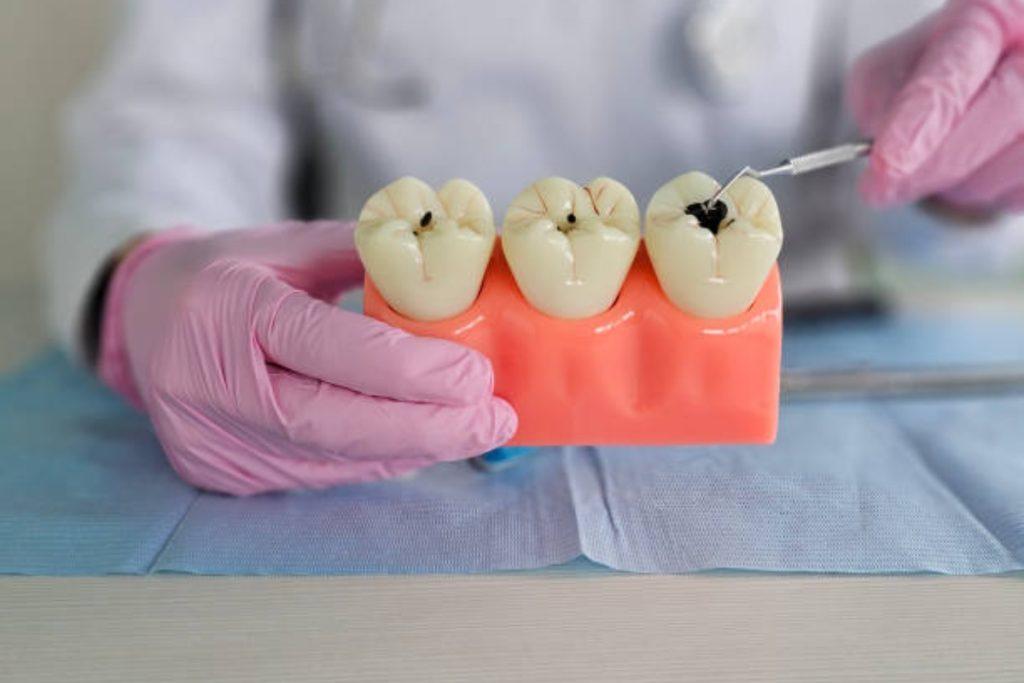
Maintaining good mount gambier dental health sometimes involves more than routine check-ups and fillings. When a tooth becomes significantly weakened by decay, cracks, large fillings, injury, or excessive wear, a dental crown may be recommended to help protect the remaining tooth structure. Crowns are designed to cover and restore damaged teeth, but they are not necessary for every dental problem. Understanding when a dentist may recommend a crown, what the procedure involves, and how to care for the restoration can help you make informed decisions about your oral health.
What Is a Dental Crown?
A dental crown is a custom-made restoration designed to cover the visible portion of a damaged or weakened tooth. Unlike a filling, which generally repairs a smaller area of damage, a crown provides coverage over a larger part of the tooth.
A crown may help:
-
Protect a weakened tooth
-
Restore the tooth's shape
-
Improve chewing function
-
Cover significant structural damage
-
Restore the appearance of a damaged tooth
-
Support a tooth after certain dental treatments
The decision to place a crown depends on the condition of the individual tooth. A dental examination is necessary before deciding whether a crown is appropriate.
When Is a Crown Usually Considered?
Dentists may recommend crowns when a tooth has lost a significant amount of its natural structure and requires additional protection.
Common situations include:
-
Extensive tooth decay
-
Large or failing fillings
-
Cracked or fractured teeth
-
Severe tooth wear
-
Teeth that have undergone certain root canal treatments
-
Teeth that have been significantly damaged by injury
A crown is generally considered when a simpler restoration may not provide enough strength or coverage.
Crowns for Teeth With Extensive Decay
Tooth decay can gradually destroy the structure of a tooth. If decay is limited, a filling may be sufficient to restore the affected area.
However, when a large amount of tooth structure has been lost, the remaining tooth may become weak. A crown may then be considered to cover and protect the remaining structure.
Before placing a crown, any active decay or infection generally needs to be addressed. The dentist will assess how much healthy tooth structure remains and whether the tooth can be predictably restored.
Regular mount gambier dental check-ups can help detect decay before it becomes extensive enough to require more complex restorative treatment.
Crowns for Cracked or Broken Teeth
Teeth can crack or break because of accidents, biting hard objects, grinding, or general wear.
A small chip may not require a crown, but a more significantly damaged tooth may need greater coverage and protection.
The location and depth of a crack are important factors. Some cracks may extend into deeper parts of the tooth and require additional treatment.
If you have a cracked tooth, avoid chewing hard foods on the affected side and arrange a dental assessment. Your dentist can determine whether a crown, another restoration, or a different treatment is appropriate.
Crowns After Root Canal Treatment
Root canal treatment is used when the pulp inside a tooth becomes inflamed or infected. The procedure involves removing the affected tissue, cleaning the inside of the tooth, and sealing the root canal system.
Depending on the amount of remaining tooth structure and the location of the tooth, a crown may be recommended after root canal treatment to provide additional protection.
A crown does not treat the infection itself. Instead, it restores and protects the tooth after the underlying internal problem has been addressed.
If your dentist recommends a crown after root canal treatment, ask how the restoration can help protect the remaining tooth structure.
Crowns for Teeth With Large Fillings
A large filling can restore a tooth after significant decay, but the remaining natural tooth structure may be weakened.
If a large portion of the tooth consists of filling material and relatively little healthy structure remains, your dentist may discuss whether a crown could provide additional coverage.
This decision depends on the condition of the tooth, the location of the filling, your bite, and other individual factors.
Crowns for Severely Worn Teeth
Teeth can become worn because of grinding, clenching, acidic exposure, or other factors.
If significant tooth structure has been lost, a dentist may discuss restorative options to protect the remaining tooth and restore function.
However, treating the visible damage alone may not be enough. If grinding or clenching is contributing to the wear, the underlying cause should also be considered.
Your dentist can assess your bite and discuss strategies that may help reduce further damage.
How Dental Crowns Protect Teeth
One of the main purposes of a crown is to provide coverage over a weakened tooth.
A significantly damaged tooth may be more vulnerable to the forces created during everyday chewing. A crown can cover the remaining tooth structure and restore its shape and function.
However, a crown does not make a tooth indestructible. The tooth underneath can still develop decay, and the surrounding gums still require proper care.
Good oral hygiene and regular dental examinations remain important after crown placement.
What Happens Before a Crown Is Placed?
Before recommending a crown, your dentist will examine the tooth and surrounding tissues.
The assessment may involve:
-
Examining the tooth and gums
-
Checking for decay or infection
-
Assessing the remaining tooth structure
-
Evaluating your bite
-
Reviewing previous dental treatment
-
Taking X-rays or other diagnostic images when appropriate
-
Discussing treatment options
The dentist may recommend other treatment before placing a crown if the tooth has active decay, infection, or gum problems.
This assessment helps determine whether the tooth is suitable for a crown and what preparation may be required.
What Is the Crown Procedure Like?
The exact procedure can vary depending on the tooth and restoration.
Generally, the tooth is prepared to create space for the crown. An impression or digital scan may then be taken so the restoration can be made to fit the tooth accurately.
A temporary restoration may be placed while the final crown is being prepared.
At a later appointment, the final crown is checked for fit, appearance, and bite before being permanently placed.
Your dentist will provide specific instructions based on your individual treatment.
Choosing the Right Crown Material
Dental crowns can be made from different materials. The most suitable material depends on factors such as the location of the tooth, chewing forces, appearance, available tooth structure, and individual needs.
If you are considering dental crowns mount gambier, ask your dentist:
-
What crown material is recommended?
-
Why is it suitable for my tooth?
-
How will it look?
-
How should it be maintained?
-
What factors could affect its longevity?
Understanding the material and reasoning behind the recommendation can help you make a more informed decision.
How Long Can a Dental Crown Last?
The lifespan of a dental crown can vary. Factors that may influence its longevity include:
-
Oral hygiene
-
Bite forces
-
Teeth grinding
-
Diet
-
The condition of the supporting tooth
-
Gum health
-
Regular dental care
A crown should not be viewed as a permanent solution that never needs monitoring. Regular dental examinations allow your dentist to check the condition of the crown and the tooth underneath it.
Caring for a Dental Crown
Once a crown has been placed, continue caring for it as part of your normal oral hygiene routine.
Helpful habits include:
-
Brush twice a day with fluoride toothpaste.
-
Clean between your teeth daily.
-
Limit frequent sugary foods and drinks.
-
Avoid chewing very hard objects.
-
Do not use your teeth as tools.
-
Wear appropriate protection during certain sports.
-
Attend regular dental check-ups.
The crown itself cannot develop decay in the same way natural enamel does, but the natural tooth underneath and the surrounding gum tissue still need protection.
Signs That a Crown May Need Attention
Contact your dental professional if you notice changes such as:
-
Pain when chewing
-
Persistent sensitivity
-
A loose crown
-
A chipped or cracked crown
-
Swelling around the tooth
-
Food repeatedly becoming trapped around the crown
-
A change in your bite
Do not attempt to repair or reattach a crown yourself. A dental professional should assess the restoration and determine the appropriate next step.
Are Crowns Always the Best Option?
No. A crown is not suitable for every damaged tooth.
A smaller cavity may only require a filling, while some damaged teeth may require other restorative treatment. If a tooth has extensive damage or cannot be predictably restored, your dentist may discuss alternative options.
The goal is to choose the most appropriate treatment based on the condition of the tooth rather than automatically choosing a crown.
Why Early Treatment Matters
A weakened tooth can sometimes become more damaged if it continues to experience excessive chewing forces.
Seeking professional advice when you first notice a crack, significant sensitivity, pain, or damage may allow your dentist to assess the tooth before the problem becomes more complicated.
Regular mount gambier dental appointments can also help identify weakened teeth and other concerns before they become urgent.
Questions to Ask Before Getting a Crown
Before starting treatment, consider asking:
-
Why do I need a crown?
-
Is there another treatment option?
-
How much healthy tooth structure remains?
-
Does the tooth have an infection?
-
What crown material is recommended?
-
How long will treatment take?
-
How should I care for the crown?
-
What could affect its longevity?
-
What are the expected costs?
Having clear answers can help you understand your treatment and make a confident decision.
FAQs
1. When might a dentist recommend a crown?
A crown may be recommended when a tooth has significant structural damage caused by extensive decay, cracks, large fillings, severe wear, or certain dental treatments. Your dentist will assess whether the tooth is suitable for a crown.
2. Are dental crowns mount gambier suitable for every damaged tooth?
No. The appropriate treatment depends on the condition of the tooth, the amount of healthy structure remaining, the health of the gums, and other individual factors. A filling or another treatment may sometimes be more appropriate.
3. How do I care for a dental crown?
Brush twice a day with fluoride toothpaste, clean between your teeth daily, avoid damaging habits, and attend regular dental check-ups. Your dentist can provide personalised advice based on your restoration.
Final Thoughts
Dental crowns can help restore and protect teeth that have been significantly weakened by decay, cracks, large fillings, injury, or severe wear. By covering the damaged tooth structure, a crown can help restore its shape and function while providing additional protection.
However, a crown is not automatically the right treatment for every damaged tooth. A thorough dental examination is necessary to determine the condition of the tooth and identify the most suitable treatment.
If you are considering dental crowns mount gambier, discuss your options with a qualified dental professional and ask questions about the reason for treatment, the procedure, material, maintenance, and long-term care. With appropriate treatment, consistent mount gambier dental care, and good daily oral hygiene, you can help protect your restored tooth and maintain your oral health for years to come.

 English
 Arabic
 Spanish
 Portuguese
 Deutsch
 Turkish
 Dutch
 Italiano
 Russian
 Romaian
 Portuguese (Brazil)
 Greek