
Rhinoplasty Surgery Recovery: A Week-by-Week Guide
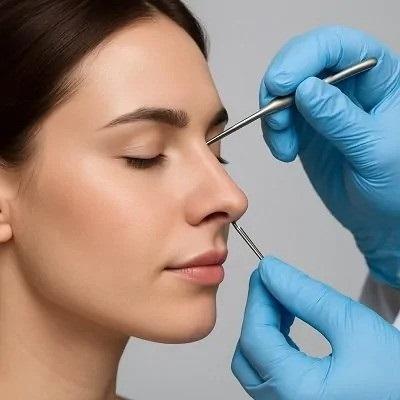
Rhinoplasty, commonly known as a nose job, is a surgical procedure designed to improve the appearance of the nose, correct structural concerns, or address breathing difficulties. While the surgery itself is an important step, the recovery period plays an equally significant role in achieving satisfactory results. Understanding what happens during each stage of healing can help patients prepare mentally and physically for the journey ahead.
For individuals considering Rhinoplasty Surgery in Oman, understanding the recovery timeline can make the experience more comfortable and manageable. Healing does not happen overnight, and the nose gradually changes as swelling decreases and the tissues settle into their new shape. Knowing what to expect week by week can help patients follow appropriate aftercare instructions, recognize normal healing changes, and understand when professional medical advice may be necessary.
Understanding the Rhinoplasty Recovery Process
Rhinoplasty recovery varies from one individual to another depending on the surgical technique, the complexity of the procedure, skin thickness, overall health, and the body's natural healing response. Some patients undergo minor adjustments, while others require more extensive structural changes or correction of previous surgery.
In general, the initial recovery period lasts around one to two weeks. During this time, swelling, bruising, nasal congestion, and mild discomfort are common. However, complete healing takes considerably longer. Subtle swelling, particularly around the nasal tip, may continue improving for several months or even up to a year or longer.
Patients should understand that the nose may not immediately reflect its final appearance after surgery. Temporary swelling can make the nose look wider, fuller, or slightly uneven. These changes usually improve as healing progresses.
Following postoperative instructions, attending scheduled follow-up appointments, and allowing enough time for recovery are essential parts of the process.
Week 1: Initial Healing, Swelling, and Rest
The first week after rhinoplasty is generally the most demanding stage of recovery. During this period, the body begins repairing the tissues affected by surgery, and patients may experience swelling, bruising, tenderness, and nasal congestion.
A protective splint is commonly placed over the nose to support its new structure. Depending on the surgical technique, internal dressings or supports may also be used.
What to expect during the first week:
-
Swelling around the nose, cheeks, and sometimes the area beneath the eyes.
-
Bruising that may initially appear dark before gradually fading.
-
Mild pain, tenderness, or pressure around the nasal area.
-
Difficulty breathing through the nose because of swelling or internal congestion.
-
Small amounts of blood-tinged discharge during the early recovery period.
-
Tiredness as the body recovers from surgery and anesthesia.
Rest is particularly important during this stage. Patients are generally advised to sleep with their heads elevated using additional pillows or another recommended support. This position may help reduce swelling and improve comfort.
Strenuous physical activities, bending forward, heavy lifting, and unnecessary pressure on the nose should be avoided. Patients should also avoid blowing their noses unless specifically instructed otherwise.
Cold compresses may help relieve discomfort and swelling around the eyes, but they should never place pressure directly on the nose.
Following medication instructions and keeping the surgical area protected are equally important. Any increasing pain, heavy bleeding, fever, or sudden changes in vision should be reported to a healthcare professional promptly.
Week 2: Reduced Bruising and Improved Comfort
By the second week, many patients begin noticing meaningful improvements. Bruising around the eyes often fades, swelling starts decreasing, and everyday activities may become easier.
In many cases, the external nasal splint is removed during a follow-up appointment, depending on the surgeon's assessment and the procedure performed. This can be an exciting milestone because patients may get their first proper look at the changes made to the nose.
However, the appearance at this stage should not be considered the final surgical result.
The nose may still look swollen, particularly around the bridge and tip. Some patients may also notice temporary asymmetry, which can occur because swelling does not always resolve evenly.
Important recovery considerations during week two:
-
Continue sleeping with the head elevated if recommended.
-
Avoid touching, rubbing, or applying pressure to the nose.
-
Follow instructions regarding nasal cleaning and prescribed medications.
-
Protect the nose from accidental bumps.
-
Avoid wearing glasses directly on the nose unless an appropriate alternative has been approved.
-
Resume light daily activities only when medically cleared.
Many individuals feel comfortable returning to desk-based work or routine activities during this period. However, recovery needs differ, and patients should not rush back into their normal schedules simply because visible bruising has improved.
Weeks 3–4: Returning to Daily Activities
During the third and fourth weeks, recovery generally becomes more noticeable. Most visible bruising has usually disappeared, and much of the initial swelling has subsided.
The nose may begin to look more refined, although the tip can remain firm, rounded, or swollen. This is particularly common in individuals with thicker nasal skin or those who have undergone more extensive surgical adjustments.
Patients may gradually return to certain everyday activities, depending on their progress and medical instructions.
Activities that may become more manageable include:
-
Returning to work or educational commitments.
-
Taking comfortable walks.
-
Performing light household tasks.
-
Resuming gentle daily routines.
-
Participating in low-impact activities when approved.
Exercise requires particular caution. Although walking is generally encouraged when appropriate, intense workouts, running, weightlifting, and activities that increase the risk of facial injury should remain restricted until the surgeon provides clearance.
Patients should also be careful when changing clothes, washing their faces, or performing skincare routines. Accidental pressure on the healing nose can interfere with recovery.
Sun protection becomes increasingly important during this period. Excessive sun exposure may worsen swelling or contribute to changes in skin pigmentation, particularly when bruising is still resolving.
Weeks 5–6: Continued Healing and Gradual Improvement
By weeks five and six, most patients have recovered from the more noticeable effects of surgery. Bruising is generally no longer present, and much of the initial swelling has improved.
The nose may appear more natural, allowing patients to appreciate the changes more clearly. Nevertheless, internal tissues continue healing, and some residual swelling can remain.
The nasal tip is often the last area to show significant improvement because it contains delicate soft tissues that can take longer to settle.
During this stage, patients may receive approval to gradually resume more physical activities. However, contact sports and activities involving a risk of impact to the face may require a longer restriction period.
Helpful habits during weeks five and six include:
-
Maintaining a balanced diet with adequate protein and essential nutrients.
-
Staying hydrated throughout the day.
-
Avoiding smoking and nicotine products because they can interfere with tissue healing.
-
Following any remaining nasal care instructions.
-
Attending scheduled follow-up appointments.
-
Continuing to protect the nose from accidental pressure or injury.
It is also important to maintain realistic expectations. Some days, the nose may appear slightly more swollen than others. Such fluctuations can occur during healing and do not necessarily indicate a problem.
Months 2–6: Refinement and Long-Term Healing
The second through sixth months represent an important period of gradual refinement. By this stage, most of the noticeable postoperative swelling has usually improved, and the overall nasal shape becomes easier to appreciate.
However, subtle swelling may remain, particularly around the tip. The extent and duration of this swelling depend on individual anatomy, skin thickness, and the type of rhinoplasty performed.
Patients often notice that their nose gradually becomes more defined and balanced as the healing tissues settle.
During this period, follow-up appointments remain valuable. A healthcare professional can assess the healing process, review the nasal structure, and address concerns about appearance or breathing.
Patients should continue protecting the nose from trauma and avoid activities that could place unnecessary pressure on the healing tissues.
It is also worth remembering that emotional adjustment can take time. Changes in facial appearance may feel unfamiliar initially, even when the surgical outcome is progressing normally. Giving the body and mind enough time to adjust can make the recovery experience more positive.
After 6–12 Months: Final Results and Complete Recovery
Rhinoplasty results generally become more established over the six-to-twelve-month period, although complete refinement may take longer for some individuals.
The majority of swelling has usually resolved by this stage, and the nasal tip often appears more defined. Patients who have undergone complex procedures or revision rhinoplasty may require additional time before their results fully settle.
At this point, the nose should be closer to its long-term appearance. Nevertheless, individual healing patterns vary, and there is no single timeline that applies to everyone.
A final assessment may help evaluate the surgical outcome, nasal symmetry, structural healing, and breathing function.
Patients should avoid judging their results too early. Photographs taken at different stages can help demonstrate gradual improvements that may otherwise be difficult to notice from day to day.
Long-term satisfaction depends not only on the surgical outcome but also on realistic expectations, appropriate surgical planning, and consistent postoperative care.
Essential Tips for a Smooth Rhinoplasty Recovery
Although the recovery process cannot be rushed, several practical habits can support healing and help minimize unnecessary complications.
1. Follow postoperative instructions: Every surgical procedure is different. Patients should follow the specific guidance provided by their surgical team rather than relying entirely on general recovery advice.
2. Prioritize adequate rest: Sleep allows the body to focus on tissue repair. Maintaining a comfortable sleeping position and avoiding unnecessary physical strain can support recovery.
3. Maintain a nutritious diet: Protein-rich foods, fruits, vegetables, and adequate hydration help provide nutrients needed for normal tissue healing.
4. Avoid smoking: Nicotine can reduce blood flow and interfere with the healing process. Avoiding smoking and other nicotine products is particularly important around surgery.
5. Protect the nose: Accidental bumps, pressure from glasses, and premature participation in contact sports can affect healing. Patients should discuss appropriate precautions with their healthcare professional.
6. Attend follow-up appointments: Regular assessments help monitor swelling, healing, nasal function, and any concerns that may arise during recovery.
7. Recognize warning signs: Severe or worsening pain, heavy bleeding, fever, spreading redness, significant breathing difficulties, or sudden visual changes require prompt medical assessment.
Frequently Asked Questions About Rhinoplasty Recovery
1. How long does it take to recover from rhinoplasty surgery?
Initial recovery generally takes around one to two weeks, although individual experiences vary. Most visible bruising and significant swelling improve during the first few weeks. However, complete refinement can take six to twelve months or longer, especially around the nasal tip.
2. When can patients return to work after rhinoplasty?
Many patients can return to desk-based work within one to two weeks, depending on their comfort and recovery progress. Physically demanding jobs may require additional time away from work. Medical clearance should always guide the return to normal activities.
3. Is swelling normal after rhinoplasty?
Yes. Swelling is a normal part of the healing process. It is usually most noticeable during the first few days and gradually decreases over subsequent weeks and months. Mild swelling around the nasal tip may persist for a year or longer in some cases.
4. When can patients start exercising after rhinoplasty?
Light walking may be possible relatively early, depending on medical instructions. More intense exercise, weightlifting, running, and contact sports generally require longer restrictions. The timing should be determined by the surgical team according to the patient's healing progress.
5. When will the final rhinoplasty results become visible?
Many improvements become noticeable within the first few months. However, the final nasal shape may take approximately six to twelve months to develop, and some patients require additional time for residual swelling to resolve.
6. How can patients sleep comfortably after rhinoplasty?
Sleeping on the back with the head elevated is commonly recommended during early recovery. This position may help minimize swelling and protect the nose from accidental pressure. Patients should avoid sleeping face-down or placing pressure on the surgical area until cleared by their healthcare professional.
Read More About Rhinoplasty Surgery : https://selfyclub.com/read-blog/7056

 English
 Arabic
 French
 Spanish
 Portuguese
 Deutsch
 Turkish
 Italiano
 Russian
 Romaian
 Portuguese (Brazil)
 Greek