
How Specialized Formulations Enhance Chemical Peel in Dubai Results
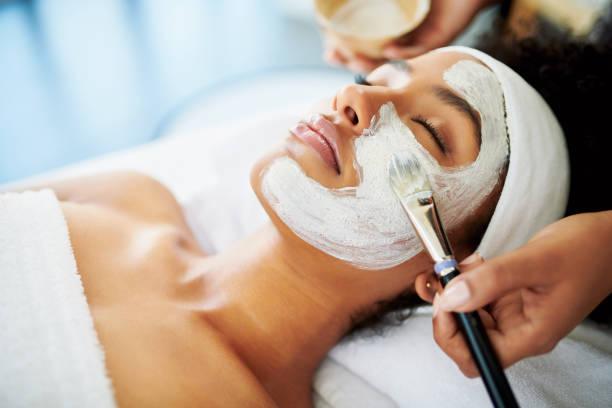
Choosing the right exfoliating treatment involves understanding how different ingredients interact with the skin. A Chemical Peel in Dubai can be tailored to address concerns such as dullness, uneven texture, oily skin, and selected forms of pigmentation. However, the outcome depends on more than the active ingredient alone.
The concentration, pH, formulation base, treatment depth, and application technique all influence how a peel works. Specialized formulations allow dermatology professionals to consider these factors when selecting an approach for an individual's skin condition.
Why Chemical Peel Formulations Matter
Chemical peels use controlled exfoliation to loosen connections between surface skin cells. This encourages the shedding of accumulated cells and can improve the appearance of selected skin concerns.
Different formulations are designed for different treatment objectives. Some focus on surface roughness, while others may be considered for oily or congested skin.
The main factors influencing a formulation's performance include:
-
Type of exfoliating acid
-
Concentration of active ingredients
-
pH level
-
Product formulation and supporting ingredients
-
Intended treatment depth
-
Application technique and exposure time
-
Individual skin sensitivity
Two products containing the same acid may produce different responses because their overall formulations and application protocols can vary.
How Different Ingredients Support Skin Renewal
Glycolic Acid for Dullness and Uneven Texture
Glycolic acid is an alpha-hydroxy acid commonly used in professional exfoliating treatments. It is water-soluble and interacts primarily with the outer layers of the skin.
It may be considered for concerns such as:
-
Dull-looking skin
-
Mild roughness
-
Uneven surface texture
-
Selected superficial pigmentation
-
Early signs of photoageing
By loosening the connections between surface cells, glycolic acid supports exfoliation and can help the skin appear smoother.
Its suitability depends on concentration, formulation, and skin tolerance. Stronger products may increase irritation, particularly when the skin barrier is already compromised.
Salicylic Acid for Oily and Congested Skin
Salicylic acid is a beta-hydroxy acid with oil-soluble properties. It is frequently considered for oily skin and selected forms of pore congestion.
Its potential applications include:
-
Blackheads and whiteheads
-
Excess surface oil
-
Selected comedonal acne concerns
-
Congested skin texture
Salicylic acid is not a universal treatment for acne. Deeper inflammatory breakouts may require medical management, while irritated or excessively dry skin may not tolerate an exfoliating procedure.
Lactic Acid for Selected Dry or Dull Skin Concerns
Lactic acid is another alpha-hydroxy acid used in professional exfoliating formulations. Its properties make it an option in selected treatments targeting surface dullness and uneven texture.
Some formulations also include ingredients that support moisture retention. However, lactic acid can still cause irritation, and its suitability depends on the patient's skin condition and the complete product.
Mandelic Acid for Selected Sensitive Skin Types
Mandelic acid is an alpha-hydroxy acid with a larger molecular structure than glycolic acid. It may be considered in certain professional formulations for patients who need a carefully selected exfoliating approach.
However, it should not automatically be described as safe for all sensitive skin. Individual tolerance, concentration, and application technique remain important.
How Concentration and pH Influence Treatment Performance
The active ingredient is only one part of a chemical peel. Concentration and pH also influence how the formulation interacts with the skin.
Understanding Acid Concentration
Concentration refers to the amount of active acid in the product. It can influence the intensity of exfoliation, but a higher percentage does not automatically produce better results.
An overly strong formulation may increase the risk of:
-
Excessive redness
-
Burning or stinging
-
Prolonged irritation
-
Pigmentation changes
-
Delayed healing
The appropriate concentration should be selected according to the treatment objective, skin condition, and expected recovery.
Why pH Is Important
The pH of an acid-based formulation influences the proportion of acid present in its active, un-ionized form.
This can affect how the product interacts with the skin. However, pH should not be considered separately from concentration, formulation, and application time.
A professional assessment is more useful than comparing product labels or selecting a peel based on a single pH figure.
How Specialized Formulations Address Different Skin Concerns
Improving Uneven Skin Tone
Selected superficial pigmentation concerns may respond to carefully chosen exfoliating formulations. However, pigmentation can have different causes, including sun exposure, post-inflammatory hyperpigmentation, and melasma.
These conditions should not be treated as interchangeable. In particular, irritation can worsen pigmentation in some patients, making careful treatment selection important.
Supporting Acne-Prone Skin
Formulations containing salicylic acid may be considered for selected cases of oily or congested skin.
A peel may help improve surface exfoliation, but it does not replace a complete acne treatment plan when persistent inflammation or deeper lesions are present.
Refining Rough Skin Texture
Accumulated surface cells can contribute to a rough or uneven appearance. Appropriate exfoliating formulations may help improve this surface irregularity.
Deeper acne scars and structural changes generally require other procedures, such as microneedling, subcision, laser treatment, or a combination of approaches.
The Role of Supporting Ingredients
Some professional peel products contain additional components that support formulation stability, texture, or skin comfort.
Depending on the product, these may include:
-
Humectants that help attract and retain moisture
-
Soothing components intended to support comfort
-
Antioxidant ingredients
-
Formulation agents that influence product consistency
-
Supporting ingredients used within professional treatment systems
These components do not eliminate the possibility of irritation or guarantee a particular outcome. The complete formulation must still be suitable for the patient's skin.
Why Personalized Formulation Selection Is Important
Sensitive and Dehydrated Skin
Patients with dryness, frequent irritation, or a compromised skin barrier may need a more cautious approach.
The clinician should evaluate the skin before recommending exfoliation. In some cases, restoring barrier health first may be more appropriate than proceeding with a peel.
Pigmentation-Prone Skin
Patients who develop dark marks after inflammation may have a higher risk of post-inflammatory hyperpigmentation.
This is particularly relevant when considering stronger formulations or deeper procedures. Melasma-prone skin also requires careful planning because inflammation and ultraviolet exposure can contribute to worsening pigmentation.
Oily and Acne-Prone Skin
The presence of excess oil does not automatically make every exfoliating formulation suitable. The clinician should distinguish between clogged pores, active inflammatory acne, and post-acne marks before selecting a treatment.
How Professional Application Affects Results
Even a well-selected formulation requires appropriate professional application. Treatment planning should include an assessment of the skin, product selection, and clear instructions for recovery.
A typical treatment process may involve:
-
Reviewing medical history and current skincare products.
-
Examining the skin and identifying the main concern.
-
Selecting an appropriate formulation and treatment depth.
-
Preparing the treatment area according to the protocol.
-
Applying the product using the recommended technique.
-
Removing or neutralising the product according to its instructions.
-
Providing individual aftercare guidance.
Not every chemical peel requires neutralisation. The removal process depends on the specific product and professional protocol.
What to Expect After a Specialized Chemical Peel
The recovery experience depends on the formulation and depth of treatment. Some patients experience mild dryness or fine flaking, while more intensive procedures may cause visible peeling and prolonged redness.
Aftercare generally focuses on protecting the skin while it recovers.
Patients may be advised to:
-
Use a gentle cleanser.
-
Apply an appropriate moisturiser.
-
Follow broad-spectrum sunscreen recommendations.
-
Avoid picking or rubbing peeling skin.
-
Pause exfoliating acids and retinoids until cleared by the clinician.
-
Avoid unnecessary direct sun exposure.
-
Attend recommended follow-up appointments.
Severe pain, blistering, increasing swelling, or signs of infection should be assessed promptly by a medical professional.
Clinic Note: Specialized formulations should be selected according to the patient's skin condition, treatment goals, and tolerance. Tajmeels Clinic encourages a professional assessment before choosing a chemical peel rather than relying on ingredient strength or general product claims.
Frequently Asked Questions
Do specialized chemical peel formulations produce better results?
They can help match treatment ingredients to specific skin concerns, but results depend on correct selection, application, skin condition, and aftercare.
Which chemical peel ingredient is suitable for oily skin?
Salicylic acid is commonly considered for oily and congestion-prone skin. However, the clinician must assess acne type, skin sensitivity, and the formulation before recommending it.
Can specialized formulations treat pigmentation?
Some formulations may improve selected superficial pigmentation concerns. Melasma and other persistent pigment conditions require careful assessment and may need additional treatments.
Does a higher acid concentration mean better results?
No. Higher concentrations can increase irritation and complications. The appropriate strength depends on the patient's skin and treatment objective.
Can one chemical peel formulation address several concerns?
Some formulations may be considered for overlapping concerns, such as dullness and uneven texture. However, treatment priorities and skin tolerance should guide the selection.
Choosing a Formulation That Matches Your Skin
Specialized chemical peel formulations offer different approaches to exfoliation and selected skin concerns. Glycolic, salicylic, lactic, and mandelic acid each have distinct properties, but no single ingredient is suitable for everyone.
The most appropriate Chemical Peel in Dubai depends on the cause of the skin concern, barrier health, pigmentation risk, and desired treatment outcome. Tajmeels Clinic can help patients understand available options and discuss a suitable approach through a professional consultation.

 English
 Arabic
 French
 Spanish
 Portuguese
 Deutsch
 Turkish
 Dutch
 Italiano
 Russian
 Romaian
 Portuguese (Brazil)