
Spectra Laser Carbon Peeling in Dubai for Clearer Skin
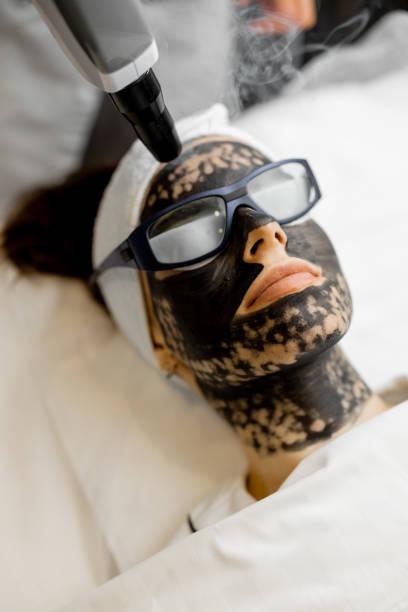
Oily skin, visible pores, blackheads and uneven texture can make the complexion appear less refined, even when a regular skincare routine is followed. For people looking to improve these concerns without undergoing an invasive procedure, Spectra Laser Carbon Peeling in Dubai is one option worth understanding. This treatment combines a topical carbon preparation with laser energy to support cosmetic skin refinement.
Often called a carbon laser peel or carbon facial, the procedure is designed to address concerns such as excess surface oil, congested-looking pores and dullness. Its suitability depends on the individual's skin condition, pigmentation, treatment goals and the device settings selected by the practitioner.
What Is Spectra Laser Carbon Peeling?
Spectra Laser Carbon Peeling is a non-surgical cosmetic procedure that combines a liquid carbon layer with laser technology. The carbon preparation is applied to the skin before the practitioner uses a compatible laser device over the treatment area.
The treatment is commonly considered by people who want to improve the appearance of oily skin, enlarged pores, blackheads and uneven texture. It may also be incorporated into a broader skin-rejuvenation plan when appropriate.
How the Carbon and Laser Combination Works
The procedure uses two main elements:
-
Liquid carbon preparation: A thin layer is applied to the skin and allowed to settle according to the treatment protocol.
-
Laser energy: A compatible laser is passed over the prepared area. The energy interacts with the carbon layer and is intended to support the treatment's exfoliating and skin-refining effect.
The exact response depends on the device, wavelength, energy settings and individual skin characteristics. A carbon peel should not be presented as a guaranteed solution for every form of acne, pigmentation or scarring.
Skin Concerns That May Be Addressed
The treatment is often discussed for cosmetic concerns associated with oiliness, congestion and uneven skin appearance. A practitioner should first identify the underlying issue because similar-looking skin concerns can have different causes.
Enlarged Pores and Excess Oil
Visible pores can be more noticeable when the skin produces excess sebum or contains accumulated surface debris. A carbon peel may help improve the appearance of oily, congested skin.
However, pores are normal skin structures. Their appearance can be refined, but treatment cannot permanently eliminate them or guarantee a particular pore size.
Blackheads and Congested Skin
Blackheads develop when pores become blocked with oil and dead skin cells. The carbon-and-laser procedure may be considered as part of a cosmetic approach to improving the appearance of congestion.
Persistent or inflamed acne may require a dermatologist-led treatment plan rather than relying on a carbon peel alone.
Dullness and Uneven Texture
A rough or dull complexion can be associated with surface buildup, dehydration, sun exposure and other skin factors. The exfoliating component of a carbon peel may help some patients achieve a smoother-looking surface.
The degree of improvement varies, and deeper textural changes may need a different treatment approach.
Mild Pigmentation and Uneven Tone
Some people explore carbon peeling when they notice mild unevenness or dark spots. Pigmentation, however, is not one single condition. Melasma, post-inflammatory marks and sun-related spots may respond differently to laser procedures.
A dermatologist should identify the type of pigmentation before recommending treatment, especially for patients with a history of dark marks after skin irritation.
Which Areas Can Be Treated?
The treatment may be considered for several areas, depending on the clinic's protocol and the patient's skin condition.
| Treatment area | Common cosmetic objective |
|---|---|
| Face | Refined-looking texture, reduced surface oil and clearer appearance |
| Neck | Smoother-looking skin and improved visible tone |
| Chest | Cosmetic improvement in uneven appearance and selected spots |
| Hands | Addressing selected superficial pigmentation concerns |
Not every area is suitable for every patient. Skin thickness, sensitivity, pigmentation and the nature of the concern should be considered before treatment.
What Happens During a Spectra Laser Carbon Peeling Session in Dubai?
Understanding the appointment process can help patients prepare and know what to expect. The exact sequence may differ depending on the device and the practitioner's protocol.
Step 1: Skin Consultation
The practitioner examines the treatment area and discusses the patient's concerns, skincare routine and medical history. Previous laser treatments, active skin conditions, allergies and recent sun exposure should be disclosed.
Step 2: Skin Cleansing
The skin is cleansed to remove makeup, oil and surface impurities. The practitioner then prepares the area for the carbon application.
Step 3: Application of Liquid Carbon
A thin layer of liquid carbon is applied to the selected area. It is left in place for the period specified by the treatment protocol so that the preparation can settle on the skin.
Step 4: Laser Application
The practitioner uses the selected laser device over the prepared area. Appropriate protective eyewear should be worn, and the energy settings should be chosen according to the patient's skin and treatment objective.
Step 5: Post-Treatment Skincare
After the laser procedure, the skin may be gently cared for with suitable soothing products. The practitioner provides aftercare instructions based on the skin's immediate response.
A session may take approximately 30–60 minutes, depending on the treatment area and protocol.
How Many Sessions May Be Needed?
The number of sessions depends on the concern being addressed, the treatment area and the individual's response. One appointment may provide a visible cosmetic change for some patients, while others may be advised to consider a course of treatments.
The clinic's indicative treatment guidance includes:
-
Face: approximately 3–6 sessions.
-
Neck: approximately 3–5 sessions.
-
Chest: approximately 3–6 sessions.
-
Hands: approximately 2–4 sessions.
These figures are general planning estimates, not a guaranteed treatment schedule. The practitioner should determine whether further sessions are appropriate after assessing the skin's response.
Why Treatment Frequency Should Be Individualised
Repeating laser procedures too frequently may increase the risk of irritation. The interval between appointments should allow the skin to settle and should reflect the device protocol and the patient's recovery.
A treatment plan should be reviewed if the skin develops persistent redness, sensitivity or unexpected pigmentation changes.
Benefits and Realistic Expectations
Patients may consider carbon peeling because it is a non-surgical procedure and generally involves less disruption than more intensive resurfacing treatments.
Potential cosmetic objectives include:
-
Improving the appearance of oily or congested skin.
-
Refining the look of enlarged pores.
-
Supporting a smoother-looking skin surface.
-
Reducing the appearance of some blackheads.
-
Improving the appearance of dullness.
-
Addressing selected superficial uneven-tone concerns.
Results are not identical for everyone. Deep acne scars, established wrinkles, significant pigmentation and active inflammatory acne may require other treatments or a combination plan.
Possible Side Effects and Safety Considerations
Although carbon peeling is often described as a low-downtime procedure, it is still a laser-based treatment. Temporary redness, warmth, sensitivity, swelling or itching may occur.
Less common but important risks can include burns, blistering, scarring or changes in pigmentation. The likelihood of complications depends on factors such as the device, settings, skin characteristics and practitioner technique.
Who Should Seek Assessment Before Treatment?
A consultation is particularly important for people who:
-
Have active acne inflammation or an ongoing skin infection.
-
Have recently tanned or experienced sunburn.
-
Have a history of pigmentation changes after procedures.
-
Have sensitive or reactive skin.
-
Are using prescription skincare products or medications that may affect skin response.
-
Have recently undergone another facial or laser treatment.
Do not conceal skin conditions or medication use during consultation. The practitioner may recommend postponing the procedure or considering another option.
Preparing for Your Appointment
Good preparation helps the practitioner assess the skin and plan treatment appropriately.
Before the appointment:
-
Arrange a consultation and discuss your treatment goals.
-
Share relevant medical history, allergies and medication details.
-
Mention previous laser treatments or unusual skin reactions.
-
Avoid direct tanning and follow the clinic's sun-protection advice.
-
Ask which skincare ingredients should be paused and for how long.
-
Arrive with the treatment area clean and free of makeup, unless instructed otherwise.
Do not stop prescribed medication or discontinue medically necessary skincare without professional advice.
Aftercare Following Carbon Peeling
The skin may look mildly flushed or feel warm after treatment. Following the clinic's instructions can help minimise avoidable irritation.
Recommended Aftercare Practices
-
Use a gentle cleanser suitable for the treated skin.
-
Apply a moisturiser recommended by the practitioner.
-
Use broad-spectrum sunscreen as directed.
-
Avoid unnecessary direct sun exposure.
-
Do not scratch, rub or aggressively exfoliate the treated area.
-
Pause strong skincare actives for the period advised by the practitioner.
-
Avoid introducing multiple new skincare products immediately after treatment.
If discomfort becomes more severe, or if blistering, significant swelling or unusual skin changes develop, contact the clinic for medical guidance.
What Influences the Final Price?
Several factors may affect the total treatment cost:
-
Size and location of the treatment area.
-
Number of sessions recommended.
-
Skin condition and complexity of the concern.
-
Device and treatment protocol.
-
Additional skincare or follow-up requirements.
A consultation helps establish whether a single session or a longer treatment plan is appropriate.
Clinic Note
Spectra Laser Carbon Peeling can be an option for selected concerns involving oily skin, visible pores and uneven texture. It is not a universal acne or pigmentation treatment. A proper skin assessment, suitable laser settings and consistent aftercare are important for managing risks and setting realistic expectations.
Frequently Asked Questions
Is Spectra Laser Carbon Peeling painful?
Most people describe the procedure as manageable, although sensations vary. Comfort depends on the device, settings and individual sensitivity.
How long does a session take?
A session generally takes around 30–60 minutes, depending on the treatment area and clinical protocol.
Can carbon peeling help with enlarged pores?
It may improve the appearance of pores in selected patients, particularly when excess oil and congestion contribute to their visibility. Pores cannot be permanently removed.
Is carbon peeling suitable for active acne?
Suitability depends on the type and severity of acne. Inflamed or severe acne may require medical treatment before a cosmetic laser procedure is considered.
How quickly can results appear?
Some patients may notice a smoother or fresher appearance after a session, but outcomes vary. A visible change does not guarantee long-term improvement.
Can the treatment remove deep acne scars?
Carbon peeling should not be considered a guaranteed treatment for deep or tethered acne scars. A dermatologist can assess whether resurfacing, microneedling or another approach may be more suitable.
Does the treatment require downtime?
Many patients experience limited downtime, but temporary redness or sensitivity can occur. Individual recovery depends on the skin response and treatment settings.
How long do the results last?
The duration varies according to skin condition, lifestyle, skincare routine and the original concern. Maintenance may be discussed when appropriate.
Explore Skin Refinement Options at Tajmeels Clinic
Improving skin texture and clarity starts with identifying the concern rather than selecting a procedure based only on its popularity. Carbon peeling may suit some people looking to address oiliness, visible pores and selected surface-level imperfections, while others may benefit from a different dermatological approach.
For a personalised assessment of Spectra Laser Carbon Peeling in Dubai, consult the aesthetic team at Tajmeels Clinic. A professional evaluation can help determine whether the procedure aligns with your skin condition, expectations and long-term skincare goals.

 English
 Arabic
 French
 Spanish
 Portuguese
 Deutsch
 Turkish
 Italiano
 Russian
 Romaian
 Portuguese (Brazil)
 Greek