
Exterior Painting: Protect Your Home and Improve Its Curb Appeal
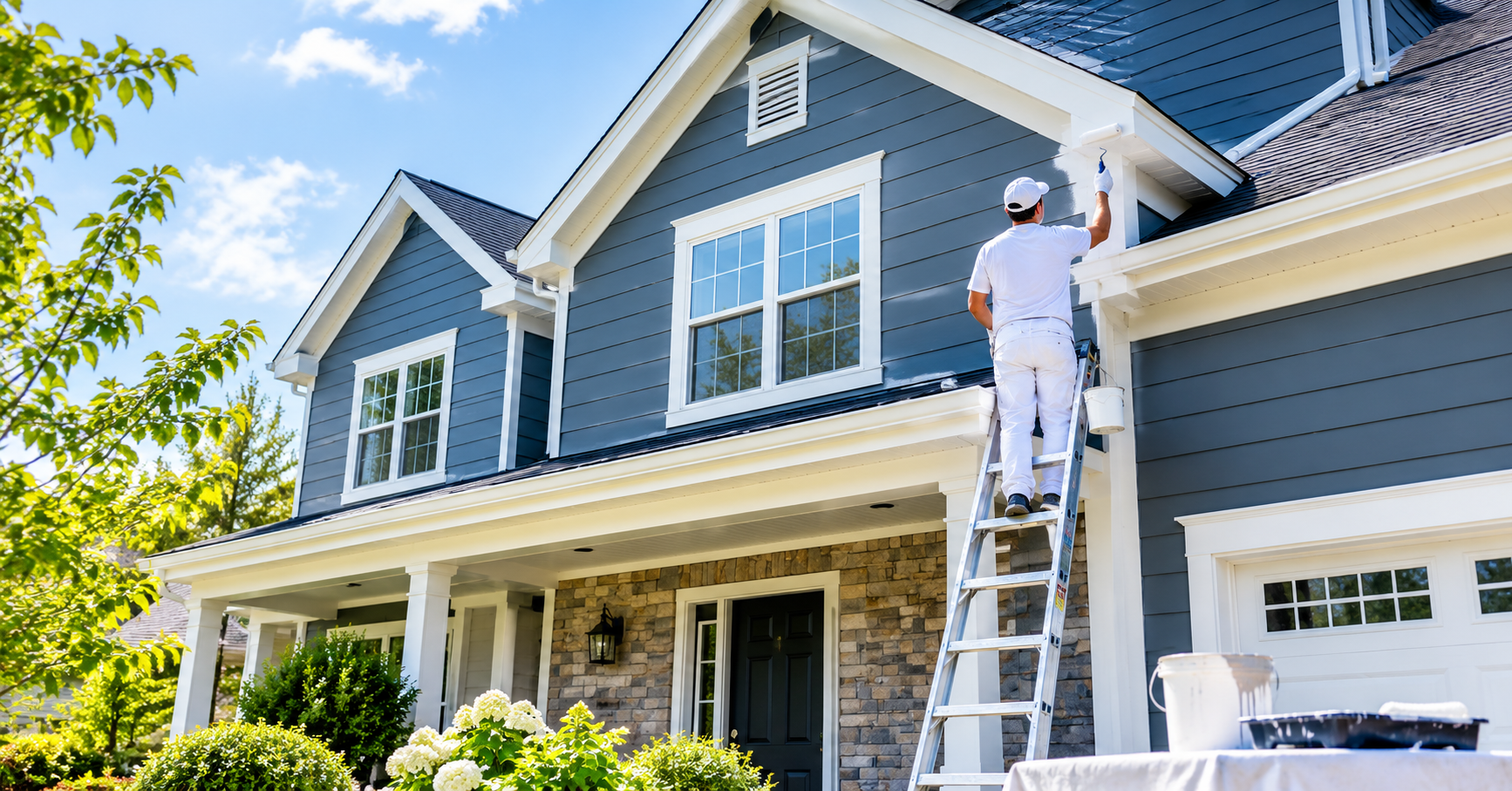
The outside of your home creates the first impression for visitors, neighbors, and potential buyers. Over time, sunlight, rain, humidity, and changing temperatures can cause exterior paint to fade, peel, or crack. Professional exterior painting can restore your home's appearance while helping protect siding, trim, and other surfaces from weather-related damage. Whether you want to refresh faded walls, change your home's color, or prepare your property for sale, a properly planned painting project can make a noticeable difference.
Why Exterior Painting Is Important for Your Home
Exterior painting is more than a cosmetic improvement. Quality paint creates a protective finish that helps reduce moisture exposure and everyday wear.
Protect Your Home From Weather Damage
Your home's exterior faces changing weather conditions throughout the year. Rain, strong sunlight, snow, and temperature fluctuations can gradually affect painted surfaces.
A properly applied exterior coating helps protect suitable surfaces from moisture penetration and premature deterioration. However, damaged siding, gaps, and existing moisture problems should be repaired before painting begins.
Improve Your Home's Curb Appeal
Fresh exterior paint can transform the appearance of an older home. A coordinated color scheme helps highlight architectural details, complement landscaping, and create a more welcoming appearance.
Even simple improvements, such as repainting trim, shutters, and the front door, can refresh your property's overall look.
Maintain Your Property's Value
A well-maintained exterior can make a positive impression on potential buyers. Peeling paint, visible stains, and weathered surfaces may suggest that a property needs additional maintenance.
Keeping exterior surfaces clean and properly painted can support your home's appearance and long-term condition.
Professional Exterior Painting Services for Different Surfaces
Different exterior materials require specific preparation techniques and compatible coatings. Choosing the right products and application methods is important for achieving a durable finish.
House Siding Painting
Siding covers a significant portion of your home's exterior. Painted wood, fiber cement, aluminum, and certain vinyl siding products may be suitable for repainting when their condition and manufacturer requirements allow it.
Before painting, the surface should be cleaned and inspected for damage.
Wood siding may need scraping, sanding, repairs, and primer. Vinyl siding requires compatible paint products, and color selection must account for potential heat-related distortion.
Exterior Trim Painting
Trim around windows, doors, rooflines, and corners adds definition to a home's appearance.
Because trim is exposed to moisture and temperature changes, proper preparation is particularly important.
Damaged caulking, peeling paint, and deteriorated wood should be addressed before applying a new finish.
Front Door and Garage Door Painting
Painting entry doors and garage doors can provide a noticeable visual improvement without changing the entire exterior.
The preparation and coating requirements depend on whether the door is made from wood, fiberglass, steel, or another material.
Choosing a complementary color can help create a balanced exterior design.
Deck and Fence Painting
Outdoor decks and fences experience direct exposure to sunlight, moisture, and regular use.
Suitable paints and stains can help protect compatible wood surfaces while improving their appearance.
Before applying a finish, contractors should inspect the wood for moisture problems, loose boards, and deterioration.
Brick and Masonry Painting
Some homeowners choose to paint brick, concrete, or masonry surfaces for a refreshed appearance.
These materials require breathable, compatible coatings and careful moisture assessment.
Painting brick can significantly change its appearance and future maintenance needs, so homeowners should consider the long-term implications before proceeding.
Our Exterior Painting Process
A successful exterior painting project depends on careful preparation, suitable materials, and consistent application techniques.
Step 1: Exterior Surface Inspection
The first step is evaluating the existing paint and underlying materials.
Common issues include peeling paint, cracked caulking, mildew, loose siding, damaged wood, and moisture stains.
Identifying these problems helps determine the necessary preparation and repairs.
Step 2: Cleaning and Surface Preparation
Exterior surfaces accumulate dirt, dust, pollen, and other contaminants over time.
Cleaning removes buildup that may prevent new paint from adhering properly.
Depending on the surface, preparation may include pressure washing at an appropriate setting, hand cleaning, scraping loose paint, sanding rough areas, and allowing surfaces to dry.
Step 3: Repairing Damaged Areas
Painting over damaged materials does not resolve underlying problems.
Cracked or deteriorated caulking should be replaced where appropriate. Rotted wood, loose siding, and other damaged components may require repair before painting.
Proper preparation helps reduce the risk of premature coating failure.
Step 4: Priming Exterior Surfaces
Primer helps improve paint adhesion and prepares appropriate surfaces for a consistent finish.
Bare wood, repaired sections, stained areas, and certain previously coated surfaces may require specialized primer.
The correct product depends on the substrate and selected paint system.
Step 5: Applying Exterior Paint
Once the surface is prepared, compatible exterior paint is applied according to manufacturer instructions.
Brushes, rollers, and spray equipment may be used depending on the project.
The required number of coats, drying time, and application conditions depend on the coating system.
Step 6: Final Inspection and Cleanup
After painting, the finished surfaces should be checked for consistent coverage, missed areas, and visible defects.
Protective coverings, equipment, and project debris are then removed.
A final walkthrough helps confirm that the completed work meets the agreed project requirements.
Choosing the Right Exterior Paint for Your Home
Exterior paint selection affects appearance, maintenance, and long-term performance.
Acrylic Latex Paint
Acrylic latex paint is widely used for residential exterior projects.
It offers flexibility, weather resistance, and compatibility with many properly prepared surfaces.
Different formulations are available for wood, masonry, siding, and trim.
Oil-Based and Specialty Coatings
Certain projects may require specialty coatings or primers.
Oil-based products are sometimes used for particular substrates or restoration applications, although local regulations and manufacturer recommendations can affect product availability.
A suitable coating system should be selected based on the surface condition and performance requirements.
Exterior Paint Finishes
Common exterior finishes include:
-
Flat: Provides a low-sheen appearance and may help conceal minor surface imperfections.
-
Satin: Offers a subtle sheen and is frequently used for exterior siding.
-
Semi-gloss: Creates a more reflective finish commonly selected for doors and trim.
The best finish depends on the material, desired appearance, and maintenance needs.
Popular Exterior House Painting Color Ideas
Choosing exterior colors can be challenging because the paint must complement the roof, windows, landscaping, and architectural style.
Classic White and Neutral Shades
White, cream, beige, and light gray remain popular options for homeowners who prefer a clean, traditional appearance.
Neutral colors can work with many siding materials and roof styles.
Modern Gray and Charcoal
Gray tones create a contemporary appearance and can be paired with white trim or natural wood accents.
Dark colors may absorb more heat, so surface compatibility should be considered.
Earthy and Natural Colors
Soft green, taupe, muted brown, and warm gray can complement natural surroundings.
These shades are particularly suitable for homeowners seeking an understated exterior appearance.
Contrasting Trim and Front Doors
Using a contrasting color for trim or the front door can highlight architectural features.
For example, a light-colored home may pair well with dark shutters and a navy or black front door.
When Should You Repaint Your Home's Exterior?
The ideal repainting schedule depends on the surface material, previous paint quality, local weather, and maintenance conditions.
Common signs that your home may need exterior painting include:
-
Faded or uneven paint colors.
-
Peeling, cracking, or flaking paint.
-
Exposed wood or deteriorated coatings.
-
Persistent chalky residue.
-
Cracked or failing caulking.
-
Stains or discoloration that return after cleaning.
These conditions do not always mean the entire home needs repainting. Some areas may only require localized repairs or touch-ups.
A professional assessment can help determine the appropriate scope of work.
What Is the Best Time for Exterior Painting?
Weather conditions influence paint adhesion, drying, and overall performance.
Exterior painting generally works best during periods of suitable temperatures, moderate humidity, and dry weather.
In New Jersey, spring and fall often provide opportunities for exterior painting, although actual conditions vary.
Rain, strong winds, excessive heat, and low temperatures can interfere with application.
Always follow the paint manufacturer's requirements for air temperature, surface temperature, moisture, and drying time.
How Much Does Exterior Painting Cost?
Exterior painting costs depend on several factors, including the size and condition of the property.
Home Size and Surface Area
Larger homes typically require more paint, preparation time, equipment, and labor.
Multiple stories and difficult-to-access surfaces may increase project complexity.
Surface Preparation
Homes with peeling paint, damaged wood, cracked caulking, or extensive stains may require additional preparation.
Thorough preparation can increase initial project costs but is important for achieving a durable finish.
Paint Quality
Premium exterior coatings may cost more than basic products.
However, suitable high-quality paint can provide benefits such as improved durability, color retention, and weather resistance.
Number of Coats
A major color change, exposed substrate, or worn existing paint may require additional coats.
The contractor should explain the proposed coating system in the written estimate.
Architectural Details
Detailed trim, shutters, porches, decorative features, and complex rooflines may increase labor requirements.
Requesting a detailed estimate helps homeowners understand what is included in the project.
Common Exterior Painting Mistakes to Avoid
Exterior painting requires more than applying a new color.
Skipping surface preparation: Painting over dirt, loose coatings, or deteriorated surfaces can cause premature failure.
Using the wrong paint: Different materials require compatible coatings. Using unsuitable products may lead to poor adhesion or surface damage.
Painting in unsuitable weather: Incorrect temperature or moisture conditions can interfere with proper curing.
Ignoring damaged siding: Paint cannot repair rotted wood or resolve ongoing water intrusion.
Applying insufficient paint: Inadequate coverage can affect appearance and long-term performance.
Overlooking safety requirements: Working at heights requires appropriate equipment and safety precautions.
Homes built before 1978 may also require lead-safe work practices when disturbing existing painted surfaces.
How to Choose a Professional Exterior Painting Contractor
Choosing a qualified painting contractor helps homeowners plan their projects and avoid unnecessary complications.
Before hiring, consider the following:
-
Review previous exterior painting projects.
-
Verify applicable registration and insurance requirements.
-
Ask about surface preparation and repair procedures.
-
Request a detailed written estimate.
-
Confirm the proposed paint products and application methods.
-
Discuss the project timeline and weather considerations.
-
Ask about cleanup procedures and workmanship warranty terms.
A professional contractor should clearly explain the work involved and answer questions before the project begins.
Refresh and Protect Your Home With Exterior Painting
Exterior painting is a practical way to improve your home's appearance while helping protect suitable exterior materials from everyday weather exposure.
From siding and trim to doors, decks, and fences, careful surface preparation and compatible paint products make an important difference in the finished result.
Whether you want to update outdated colors, address peeling paint, or improve your property's curb appeal, a professionally planned project can provide lasting visual benefits.

 English
 Arabic
 Spanish
 Portuguese
 Deutsch
 Turkish
 Dutch
 Italiano
 Russian
 Romaian
 Portuguese (Brazil)
 Greek