
How Does Scalp Circulation Support Hair Growth After Transplantation?
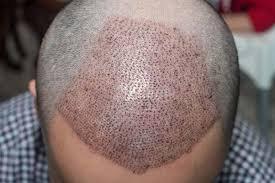
Hair Transplant in Dubai is a popular solution for people experiencing hair thinning, receding hairlines, and pattern baldness. However, achieving natural-looking results involves more than placing healthy hair follicles into areas affected by hair loss. The scalp environment also plays an important role in supporting the healing process and the growth of transplanted hair. One important factor is scalp circulation, which helps deliver oxygen and essential nutrients to the tissues surrounding hair follicles.
Understanding how blood circulation supports hair growth after transplantation can help patients develop realistic expectations and follow appropriate aftercare practices. Although circulation is important, successful transplantation also depends on follicle health, surgical technique, individual healing, and proper post-operative care.
Why Is Scalp Circulation Important for Hair Follicles?
Scalp circulation refers to the movement of blood through the small blood vessels that supply the scalp. These blood vessels deliver oxygen, nutrients, and other substances needed by skin cells and hair follicle structures.
Hair follicles are living structures that depend on a healthy surrounding environment. Adequate blood supply supports normal cellular activity and helps maintain the tissues responsible for hair production.
Following transplantation, the scalp requires time to recover from the procedure. During this period, the surrounding tissues undergo healing and the transplanted follicles gradually adapt to their new locations. Healthy circulation contributes to this process by supporting the surrounding skin and tissue repair.
How Does Blood Supply Support Transplanted Hair Follicles?
During hair transplantation, individual follicular units are transferred from a donor area to regions experiencing hair loss. Once implanted, these follicles need time to establish themselves in their new environment.
Blood circulation supports several important processes:
-
Oxygen delivery: Blood transports oxygen to scalp tissues, supporting normal cellular functions.
-
Nutrient transportation: Essential nutrients help maintain healthy skin and tissue activity.
-
Tissue repair: Adequate blood supply supports the healing of small extraction and implantation sites.
-
Cellular function: Healthy scalp tissues provide an environment in which transplanted follicles can gradually resume their normal growth cycle.
It is important to understand that transplanted follicles do not immediately develop a new blood supply independently. During early healing, they receive nourishment through the surrounding tissues and gradually establish connections with the local blood supply.
What Happens to Scalp Circulation During Recovery?
The scalp may experience temporary swelling, redness, tenderness, and small scabs after transplantation. These are common parts of the healing process.
Initially, the implanted follicles need time to settle into their recipient sites. The surrounding tissues gradually recover, and the tiny blood vessels support the healing process.
During the following weeks, some transplanted hair shafts may shed. This is commonly known as shock loss and is generally a normal part of the hair transplant cycle. Shedding does not necessarily mean that the transplanted follicles have been lost.
Over the next several months, new hair growth may gradually become visible as the follicles enter their active growth phase. The timeline varies between individuals depending on follicle characteristics, healing, and other biological factors.
Can Poor Scalp Circulation Affect Hair Transplant Results?
Healthy circulation is important for normal scalp function, but it is not the only factor influencing transplantation outcomes.
Conditions that affect blood vessel health may influence tissue healing and the environment surrounding hair follicles. For example, smoking can negatively affect blood circulation and tissue oxygenation. Certain medical conditions may also influence wound healing.
However, it would be inaccurate to assume that every person with reduced circulation will experience an unsuccessful hair transplant.
Other important factors include:
-
The quality and condition of donor hair.
-
The number and distribution of implanted grafts.
-
The surgical technique used.
-
Existing scalp conditions.
-
Individual healing responses.
-
Following post-operative instructions.
A professional assessment helps identify potential concerns before treatment and supports appropriate planning.
How Can Patients Support Healthy Scalp Recovery?
Following the recommended aftercare routine is essential for protecting transplanted follicles during the early recovery period. Patients should avoid activities or habits that may interfere with healing.
Some helpful practices include:
1. Avoid Smoking: Smoking can restrict blood vessel function and reduce oxygen delivery to tissues. Avoiding smoking before and after surgery, according to medical advice, can support recovery.
2. Follow Washing Instructions: Patients should clean their scalp only as directed by their treating medical professional. Rubbing, scratching, or removing scabs forcefully can damage healing areas.
3. Maintain Balanced Nutrition: A balanced diet containing protein, iron, zinc, and essential vitamins supports general tissue health and normal hair growth. Supplements should only be used when appropriate.
4. Stay Hydrated: Adequate hydration supports normal body functions and overall health during recovery.
5. Avoid Strenuous Activities Initially: Heavy exercise and activities that increase sweating or create pressure around the scalp may need to be restricted during the early recovery period.
6. Attend Follow-Up Appointments: Regular medical reviews allow the treating team to monitor healing and address concerns.
Patients should not massage the transplanted area or use circulation-enhancing products unless specifically approved by their medical professional.
When Does New Hair Growth Usually Begin?
Hair transplant recovery happens gradually rather than immediately. During the first few weeks, temporary shedding may occur as transplanted follicles adjust to their new locations.
Early visible growth often begins around three to four months after surgery, although individual timelines vary. Between six and nine months, patients may notice more noticeable improvements in hair coverage. Further changes in thickness and density can continue for 12 months or longer.
Scalp circulation supports the biological environment needed for healthy follicle function, but it cannot guarantee a particular growth rate or final density.
How Does Tajmeels Clinic Approach Hair Transplant Recovery?
At tajmeels clinic dubai, hair transplantation planning involves considering individual hair loss patterns, donor area characteristics, scalp condition, and personal treatment goals. Understanding the patient's scalp health and medical background helps support appropriate treatment planning.
Patients can discuss their recovery expectations, post-operative care requirements, and factors that may influence hair growth during their consultation. Individual guidance is important because every scalp responds differently to transplantation. Follow-up assessments also help evaluate healing and monitor changes in hair growth over time.
Conclusion
Scalp circulation plays an important role in supporting tissue healing and creating a suitable environment for transplanted hair follicles. By delivering oxygen and nutrients, healthy blood supply contributes to normal cellular activity and recovery after transplantation. However, successful results also depend on follicle quality, surgical planning, individual health, and proper aftercare. Following professional guidance and attending follow-up appointments can help patients support their recovery and understand the gradual nature of hair growth after a transplant.
More Information
Tajmeels Clinic Dubai
WhatsApp: +971 56 203 8751
Phone: tel:+971 43739000
Social Media:

 English
 Arabic
 French
 Spanish
 Portuguese
 Deutsch
 Turkish
 Dutch
 Italiano
 Russian
 Romaian
 Portuguese (Brazil)