
Powering the Future: The Definitive Guide to Home Energy Storage Systems
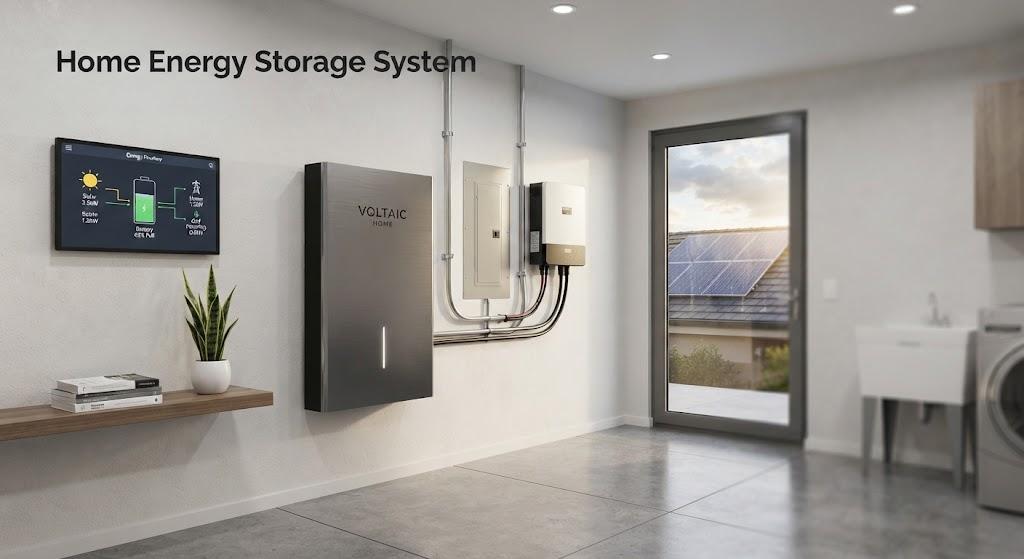
The modern household is undergoing a quiet energy revolution. For decades, the relationship with electricity has been linear: power is consumed from the grid as needed, and the utility company sends a bill at the end of the month. Today, rising electricity costs, increasing grid instability, and a growing desire for sustainability are fundamentally changing this dynamic.
The cornerstone of this transformation is the Home Energy Storage System (HESS).
Far more than just a "backup battery," a modern home energy storage system is an intelligent hub that grants homeowners unprecedented control over their power generation, consumption, and storage. It allows you to capture clean energy from sources like rooftop solar and utilize it exactly when you need it—even when the sun isn't shining or the grid is down.
This comprehensive guide explores everything you need to know about home energy storage systems, empowering you to make an informed decision about your energy future.
Understanding the Home Energy Storage System
At its core, a Home Energy Storage System is a technology that captures electrical energy to be used at a later time. While the fundamental concept is simple, modern systems are sophisticated pieces of engineering.
The primary component is the battery pack, which utilizes advanced chemistry—most commonly Lithium Iron Phosphate (LiFePO4)—to store energy safely and efficiently. LiFePO4 batteries are favored for their high energy density, long cycle life, and superior thermal stability compared to older lead-acid alternatives.
However, a complete HESS is more than just a battery. It integrates several key components:
Battery Inverter (or Hybrid Inverter): Converts the Direct Current (DC) electricity stored in the battery into the Alternating Current (AC) electricity used by household appliances.
Battery Management System (BMS): The "brain" of the system. It monitors the health, temperature, and state of charge of individual battery cells, ensuring safe operation and maximizing lifespan.
Energy Management System (EMS): The intelligent software that dictates when the battery charges and discharges based on user settings, utility rates, and solar production forecasts.
When integrated with a solar PV array, the system works seamlessly. During the day, solar panels power the home, and any excess energy charges the battery. In the evening, instead of drawing expensive power from the grid, the home draws the stored solar energy from the battery.
Why Install a Home Energy Storage System?
The motivations for installing home energy storage go beyond simple convenience. For many, it represents a significant step toward financial independence, environmental responsibility, and resilience.
Maximizing Solar Self-Consumption
In many regions, the financial incentives for exporting excess solar energy back to the grid (feed-in tariffs) have decreased significantly. It is often far more economical to store that surplus energy for your own use later in the day. Without storage, a typical grid-tied solar home may only consume 30% of the energy it produces. Adding a battery can increase this self-consumption rate to 80% or higher, drastically reducing reliance on grid power.
Protection Against Grid Instability
Severe weather events, aging infrastructure, and increased demand are straining power grids worldwide, leading to more frequent and prolonged blackouts. For homes equipped with a traditional grid-tied solar system, the power goes down along with the grid for safety reasons. A Home Energy Storage System with backup capability provides an uninterrupted power supply. When the grid fails, the battery seamlessly isolates from the main lines, keeping essential circuits—lights, refrigerators, medical equipment, and internet routers—powered and operational.
Energy Arbitrage and Time-of-Use Savings
Utility companies often employ Time-of-Use (TOU) rates, where electricity is significantly more expensive during peak demand hours (typically late afternoon and evening). Conversely, it is cheaper during off-peak hours (overnight). A Home Energy Storage System allows you to play "energy arbitrage." The battery charges using inexpensive off-peak grid power (or free solar power) and then discharges to power the home during the expensive peak evening hours, allowing you to bypass the high utility rates entirely.
Environmental Benefits
By storing and utilizing clean, renewable energy generated on your own roof, you minimize your carbon footprint. Even if you aren't powered by solar, using a battery to shift your energy consumption away from peak hours reduces the overall stress on the grid, which often relies on fossil-fuel-peaker plants during those times.
Types of Home Energy Storage Systems and Key Specifications
When shopping for a Home Energy Storage System, you will encounter different configurations and technical jargon. Understanding these specifications is crucial for selecting the right system for your needs.
AC-Coupled vs. DC-Coupled Systems
DC-Coupled: In this configuration, the solar panels and the battery share a single inverter (a hybrid inverter). Solar energy flows directly from the panels to the battery in DC form, with only one conversion needed before it enters the home. This is generally more efficient for new solar installations.
AC-Coupled: Here, the battery has its own dedicated battery inverter. It connects to the home's main electrical panel just like any other appliance. This is the ideal solution for retrofitting a battery onto an existing solar system, as the original solar inverter remains untouched.
Crucial Battery Metrics
Capacity (kWh): This measures how much total energy the battery can store. Think of it as the size of your fuel tank. A standard residential battery module is often around 10 kWh.
Usable Capacity (kWh): This is the amount of stored energy you can actually access. Batteries should not be fully drained to 0% for health reasons. A quality battery will have a high depth of discharge (DoD), meaning the usable capacity is very close to the total capacity.
Power Rating (kW): This measures how much electricity the battery can deliver at any given moment. This determines which appliances you can run simultaneously during an outage. A higher power rating is needed to run heavy loads like an air conditioner or electric oven.
Is a Home Energy Storage System Right for You?
Evaluating the feasibility of home energy storage requires looking at your unique circumstances.
Assessing Your Needs
If your primary goal is backup power during frequent outages, focus on a system with robust backup power ratings and sufficient capacity to cover your critical loads for the expected duration of outages. If your goal is financial savings, you must analyze your utility rate structure. If your utility has high TOU rates or minimal net-metering credits, the financial case for storage is very strong.
The Economics of Storage
While the cost of battery technology has fallen dramatically, it is still a significant investment. The payback period depends heavily on local electricity prices, available incentives (such as federal tax credits and state rebates), and the specific usage profile of the home. In many markets with high utility rates, the savings generated by the battery over its 10-to-15-year lifespan can exceed the initial installation cost, yielding a positive return on investment.
Conclusion
The energy landscape is shifting, placing more power and responsibility into the hands of the consumer. A Home Energy Storage System is no longer a futuristic luxury; it is the practical foundation for a modern, resilient, and sustainable home.
By integrating a battery system, you cease to be merely a passive consumer of electricity and become an active participant in your own energy ecosystem. You gain security against outages, independence from rising utility costs, and the satisfaction of maximizing your use of clean, renewable power.
As you navigate this important transition, you need a partner with the expertise and technology to ensure success. At Linio tech, we are committed to providing cutting-edge Home Energy Storage Systems designed for performance, safety, and longevity. Our solutions empower you to take control of your energy future today, ensuring your home remains powered, efficient, and sustainable for decades to come.
Also see our guide.

 English
 Arabic
 French
 Spanish
 Portuguese
 Deutsch
 Dutch
 Italiano
 Russian
 Romaian
 Portuguese (Brazil)
 Greek