
Toners for Hyperpigmentation: How to Choose the Right Toner for Even-Toned Skin
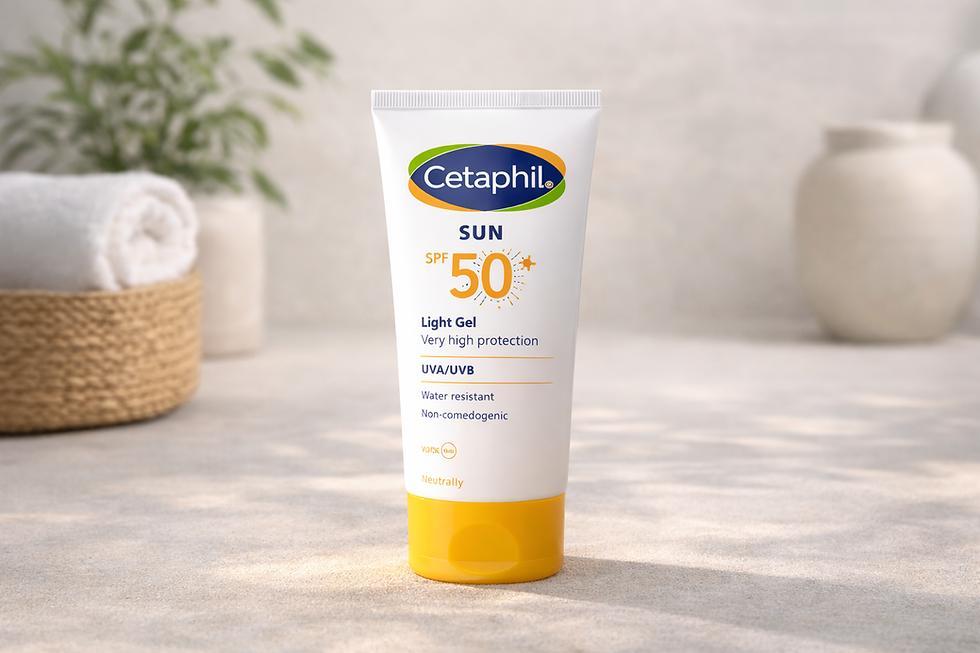
Choosing the right toners for hyperpigmentation can help improve the appearance of uneven skin tone, dark spots, and post-acne marks. Hyperpigmentation occurs when certain areas of the skin produce excess melanin, resulting in darker patches or spots. A suitable skincare routine that includes gentle cleansing, targeted treatments, moisturizing, and daily sun protection can help manage these concerns.
Cetaphil offers skincare products designed for different skin types, including dry and sensitive skin. Although toners are not a standalone treatment for hyperpigmentation, choosing a suitable toner with beneficial ingredients can complement your skincare routine and support healthier-looking skin.
What Is Hyperpigmentation?
Hyperpigmentation is a common skin concern characterized by darker patches or spots on the skin. It develops when the skin produces excess melanin, the pigment responsible for skin colour.
It can affect people of all skin types and may appear on the face, neck, hands, and other body areas.
Some common causes of hyperpigmentation include:
-
Sun Exposure: Ultraviolet radiation can stimulate melanin production and contribute to dark spots.
-
Acne Marks: Inflammation caused by acne may leave dark marks after pimples heal.
-
Hormonal Changes: Hormonal fluctuations can contribute to conditions such as melasma.
-
Skin Irritation: Certain skincare products and inflammatory skin conditions can trigger pigmentation.
-
Ageing: Sun-related pigmentation may become more noticeable over time.
Understanding the cause of hyperpigmentation is important when choosing skincare products.
How Can Toners Help with Hyperpigmentation?
Facial toners are liquid skincare products generally applied after cleansing and before serums or moisturizers. Depending on their formulation, they can help hydrate the skin, remove remaining impurities, or deliver targeted skincare ingredients.
Some toners contain ingredients that may help improve the appearance of uneven skin tone.
However, not every toner is designed for pigmentation concerns. Hydrating toners mainly support moisture levels, while exfoliating or brightening toners may contain ingredients that target skin texture and discoloration.
Best Ingredients to Look for in Toners for Hyperpigmentation
Before purchasing a toner, check its ingredient list. Certain skincare ingredients are commonly used to improve the appearance of dark spots and uneven skin tone.
1. Niacinamide
Niacinamide, also known as vitamin B3, is a popular skincare ingredient for uneven skin tone.
It helps support the skin barrier and can reduce the transfer of melanin to skin cells. Regular use of suitable formulations may help improve the appearance of dark spots and discoloration.
It is generally well tolerated, although individual reactions can vary.
2. Glycolic Acid
Glycolic acid is an alpha-hydroxy acid (AHA) that helps exfoliate the skin's surface by loosening the bonds between dead skin cells.
It can improve skin texture and the appearance of superficial pigmentation over time.
However, glycolic acid may cause irritation, particularly in sensitive skin. Introduce it gradually and follow the product instructions.
3. Lactic Acid
Lactic acid is another AHA commonly used in exfoliating skincare products.
It helps remove accumulated dead skin cells and may improve the appearance of uneven skin tone. It also has humectant properties that help attract moisture.
People with sensitive skin should choose lower-strength formulations and avoid excessive exfoliation.
4. Vitamin C
Vitamin C is an antioxidant used in skincare products designed to brighten the complexion and improve the appearance of dark spots.
It helps protect against oxidative stress and may support a more even-looking skin tone.
A toner containing a suitable vitamin C formulation can be considered as part of a broader skincare routine.
5. Alpha Arbutin
Alpha arbutin is a skincare ingredient commonly used in products targeting uneven pigmentation.
It works by inhibiting tyrosinase, an enzyme involved in melanin production. It may help improve the appearance of dark spots when used consistently.
Check the product formulation and follow the recommended usage instructions.
How to Choose the Right Toner for Your Skin Type
Not every toner is suitable for every skin type. Consider your skin's needs before choosing a product.
|
Skin Type |
Toner Type to Consider |
|---|---|
|
Dry Skin |
Hydrating toner with glycerin or hyaluronic acid |
|
Oily Skin |
Lightweight toner with suitable niacinamide |
|
Sensitive Skin |
Fragrance-free, alcohol-free hydrating toner |
|
Combination Skin |
Lightweight balancing toner |
|
Acne-Prone Skin |
Gentle toner with suitable exfoliating ingredients |
If your skin is sensitive or prone to eczema, avoid strong exfoliating toners unless recommended by a dermatologist.
How to Use Toner for Hyperpigmentation
Using a toner correctly can help reduce unnecessary irritation and make your skincare routine easier to maintain.
Follow these steps:
-
Cleanse your face: Start with a gentle cleanser to remove dirt, oil, and impurities.
-
Apply toner: Use your hands or a cotton pad, depending on the product instructions.
-
Use a targeted serum: Apply a suitable product containing niacinamide or vitamin C if needed.
-
Apply moisturizer: Use a moisturizer to maintain hydration and support your skin barrier.
-
Finish with sunscreen: Apply broad-spectrum SPF 30 or higher every morning.
Avoid using several exfoliating products together, especially when you are new to active skincare ingredients.
Why Consider Cetaphil for a Hyperpigmentation Skincare Routine?
Cetaphil is a skincare brand known for products formulated for dry and sensitive skin. Its product range includes cleansers, moisturizers, and sun protection products that can support everyday skincare.
Although Cetaphil is not primarily known as a toner-focused hyperpigmentation treatment brand, its gentle skincare products can complement a routine designed to manage uneven skin tone.
Some product categories worth exploring include:
Cetaphil Gentle Skin Cleanser: Helps cleanse the skin without relying on harsh cleansing formulas.
Cetaphil Moisturising Cream: Provides hydration for people experiencing dryness and skin sensitivity.
Cetaphil Moisturising Lotion: Offers a lighter moisturizing option for everyday use.
Cetaphil Sun Protection Products: Help protect the skin from UV exposure, an important consideration when managing pigmentation.
Remember that these products support cleansing, hydration, and sun protection. They should not be presented as direct treatments for hyperpigmentation.
Common Mistakes to Avoid When Treating Hyperpigmentation
Some skincare habits can make pigmentation concerns more noticeable or increase skin irritation.
Skipping sunscreen: Sun exposure can worsen existing pigmentation. Daily sun protection is essential.
Using harsh toners: High-alcohol or heavily fragranced formulas may irritate sensitive skin.
Over-exfoliating: Frequent use of AHAs and other exfoliants can damage the skin barrier and potentially worsen post-inflammatory pigmentation.
Expecting immediate results: Hyperpigmentation often takes several weeks or months to improve.
Ignoring the underlying cause: Different types of pigmentation may require different treatments. Persistent or worsening dark patches should be evaluated by a dermatologist.
Conclusion
Choosing suitable toners for hyperpigmentation involves understanding your skin type and selecting ingredients that address uneven skin tone. Niacinamide, glycolic acid, lactic acid, vitamin C, and alpha arbutin are commonly used in skincare formulations targeting pigmentation concerns.
Cetaphil offers gentle cleansers, moisturizers, and sun protection products that can complement a skincare routine focused on maintaining skin hydration and barrier health. For better results, combine appropriate skincare products with consistent sunscreen use and professional advice when needed.
Frequently Asked Questions (FAQs)
1. Which toner is best for hyperpigmentation?
Toners containing niacinamide, glycolic acid, lactic acid, or vitamin C may help improve the appearance of uneven skin tone. Choose a formulation according to your skin type.
2. Can toner remove dark spots?
A toner containing suitable active ingredients may help reduce the appearance of superficial dark spots over time. However, toners cannot guarantee complete removal of pigmentation.
3. Is niacinamide toner good for hyperpigmentation?
Niacinamide may help improve uneven skin tone and the appearance of dark spots. It also supports the skin barrier.
4. Should I use toner every day?
Hydrating toners can generally be used daily if suitable for your skin. Exfoliating toners should be used according to their formulation and your skin's tolerance.
5. Do I need sunscreen when using a toner for hyperpigmentation?
Yes. Broad-spectrum sunscreen with SPF 30 or higher is important because UV exposure can worsen pigmentation and reduce the effectiveness of your skincare routine.
6. Can sensitive skin use exfoliating toners?
Sensitive skin may react to exfoliating acids. Choose gentle formulations, introduce them gradually, and consult a dermatologist if you experience irritation.

 English
 Arabic
 Spanish
 Portuguese
 Deutsch
 Turkish
 Dutch
 Italiano
 Russian
 Romaian
 Portuguese (Brazil)
 Greek