
How Can a Roof Leak Develop Without Damaged Shingles?
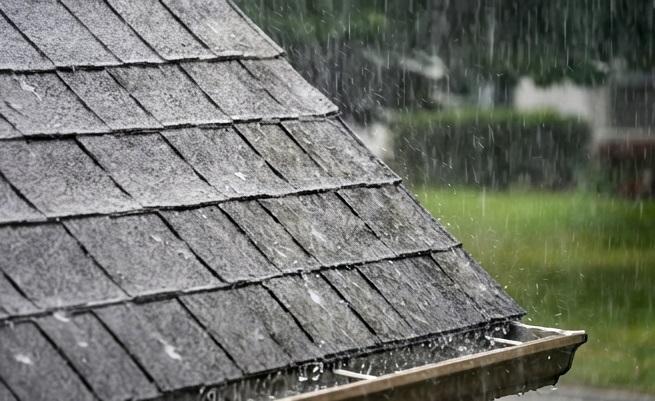
A ceiling stain can appear after a night of heavy rain, even when the roof looks perfectly normal the next morning. The shingles remain in place, their surfaces show no obvious cracks, and nothing appears to be missing. Yet a damp patch has formed inside the building.
This situation can be confusing because shingles are often the first part of a roof people inspect when water enters. Their condition matters, but they are only one part of a much larger protective system. Beneath and around them are flashing, underlayment, fasteners, roof joints, ventilation openings, and drainage details. Water can pass through a weakness in any of these areas without leaving visible damage on the shingle surface.
Understanding these less obvious entry points helps explain why a roof leak can develop even when the outer covering appears undisturbed.
Can Water Enter Through a Roof Without Breaking a Shingle?
The protective layers have different jobs
Shingles form the outer covering, but they are not the only barrier between rain and the interior. Underlayment sits beneath them and acts as another protective layer. Flashing directs water around places where the roof meets a wall, chimney, vent, or other structure.
Each component handles a different part of the job. If flashing separates from a wall, for example, water may enter behind the shingles even though the shingles themselves remain intact. If underlayment has deteriorated around an older roof opening, moisture may travel beneath the outer covering.
A roof works as a connected system. A problem in one hidden component can affect the entire assembly without producing an obvious change on the visible surface.
Water can follow a path that is difficult to see
Rain does not always enter directly above the ceiling stain. It can pass through a small opening, travel along a roof deck, follow a framing member, and appear several feet away.
This explains why the location of an interior stain does not always identify the original entry point. A mark near a bedroom wall, for instance, could result from water entering around an upper roof junction.
Why Can Flashing Cause a Leak While Shingles Remain Intact?
Metal joints must direct water away from vulnerable areas
Flashing protects the transitions where roofing materials meet other surfaces. It is commonly installed around chimneys, skylights, plumbing vents, roof-to-wall connections, and valleys.
These locations interrupt the broad, uninterrupted surface of a roof. Without correctly arranged flashing, rain can reach gaps that shingles alone cannot protect.
A flashing section may loosen, corrode, bend, or separate from the adjoining material. The problem may be too small to notice from the ground, yet it can allow water behind the roof covering during repeated rainfall.
Sealant cannot correct every flashing problem
Some roof joints use sealant as part of their protection. Over time, exposure to sunlight and temperature changes can cause certain sealants to shrink, crack, or lose their bond.
A fresh layer of sealant may appear to solve the problem, but it will not correct flashing that has been installed incorrectly or positioned poorly. The joint itself must be examined to understand why water is getting through.
How Can Roof Vents Become Entry Points for Rain?
Openings interrupt the roof's continuous surface
Vent pipes and other roof penetrations pass through the outer covering. Each opening needs a suitable flashing assembly that fits around it and directs water toward the surrounding shingles.
If the rubber boot around a vent pipe splits or the metal flashing shifts out of position, rain can enter around the opening. The nearby shingles may remain completely undamaged.
Moisture can gather around poorly fitted vent components
A vent opening with an unsuitable fit can allow water to move beneath the surrounding materials. Wind-driven rain may make the problem more noticeable because water can reach places that ordinary downward rainfall does not.
A recurring ceiling mark beneath a bathroom or kitchen vent area may justify an inspection of the roof penetration. The visible stain alone cannot confirm the cause, but its position can help guide the investigation.
Can a Roof Valley Leak Without Any Missing Shingles?
The meeting line between slopes carries concentrated runoff
A valley forms where two roof slopes meet. Rainwater from both surfaces can travel toward this shared channel, making it an important part of the drainage arrangement.
The shingles around a valley may appear secure while the protective layers beneath them have a problem. Incorrect material placement, deteriorated underlayment, or an issue with the valley flashing can allow moisture to move beneath the covering.
Debris can change how water moves through the channel
Leaves, pine needles, and small branches can gather where two slopes meet. As debris builds up, it may slow runoff or redirect water toward an edge that was not intended to receive it.
This does not mean every leaf-filled valley will leak. The concern arises when an obstruction repeatedly changes the water's route or keeps moisture against a vulnerable joint.
What Role Does the Roof Underlayment Play in Hidden Leaks?
The layer beneath shingles can deteriorate out of sight
Underlayment provides an additional barrier beneath the visible roofing material. Since it is covered by shingles, its condition cannot usually be judged through a simple exterior view.
Age, trapped moisture, installation issues, or previous repairs can affect its performance. A shingle surface may still look sound while the material underneath has weakened.
Small openings can allow moisture to reach the roof deck
If underlayment has a tear, poorly sealed overlap, or damaged section, water may pass through during rainfall. Once moisture reaches the roof deck, it can affect nearby wood components and eventually become visible indoors.
The first sign may be a faint ceiling discoloration rather than an obvious exterior defect. An inspection may need to examine the layers beneath the shingles to identify the actual source.
Can Roof Fasteners Create a Leak Without Visible Shingle Damage?
A fastener can leave a small opening beneath the covering
Roofing nails and other fasteners hold materials in position. Their placement matters because each penetration must remain protected against water.
A nail installed in the wrong position, driven too deeply, or left exposed may create a route for moisture. The surrounding shingles may cover the area well enough that the issue cannot be seen from the ground.
Older repairs can leave hidden weak points
A previous repair may have involved replacing a small section, adjusting a fixture, or securing a loose component. If the fastener holes were not handled correctly, they may become entry points later.
This is one reason a roof inspection should include earlier repair locations. A roof leak may have little connection with the current condition of the shingles and more to do with work carried out years before.
Why Can Condensation Look Like a Roof Leak?
Indoor moisture can collect beneath the roof
Not every damp ceiling comes from rainfall entering through the exterior. Warm indoor air contains moisture. When it reaches a cold roof surface, that moisture can condense into droplets.
This can happen around poorly insulated areas, ventilation pathways, or sections where warm air escapes into the roof space. The resulting moisture may affect wood, insulation, and ceiling materials.
The timing can help distinguish condensation from rain intrusion
A leak caused by rainfall often becomes more noticeable after storms or during periods of wind-driven rain. Condensation may appear during cold weather, temperature changes, or periods of high indoor humidity.
These patterns are useful clues, but they are not conclusive on their own. A professional inspection can help determine whether the moisture comes through the roof covering or forms inside the building.
How Can a Roof Leak Be Traced When the Shingles Look Fine?
Start with the pattern of moisture inside
A ceiling stain, peeling paint, damp insulation, or musty smell can help identify the affected area. Take note of when the problem appears, how quickly the mark grows, and whether it returns after particular weather conditions.
Photographs taken over several days can help document changes. Avoid opening wet ceiling sections or touching sagging materials, as concealed moisture can affect electrical components and weaken building materials.
Inspect the less visible roof components
A roofer in Salt Lake City may need to examine flashing, vent boots, valleys, underlayment, fastener locations, and previous repair areas when investigating a leak that has no obvious shingle damage.
The inspection should follow the likely route of water rather than focus only on the nearest exterior surface. This helps identify the entry point instead of treating the place where moisture happens to appear.
Match the repair to the actual source
A loose flashing section needs a different correction than a damaged vent boot or a condensation problem. Applying sealant without identifying the cause can leave the original issue unresolved.
Once the source is understood, the repair can address the affected component and restore the intended path for water. The surrounding materials should also be checked for signs of moisture exposure.
What Small Clues Can Reveal a Hidden Roofing Problem?
Changes around walls and ceilings deserve attention
Water may leave marks near ceiling corners, upper wall sections, window frames, or areas beneath roof intersections. Discoloration can spread gradually, so an early mark may look less serious than the moisture issue behind it.
Interior design choices and home decor ideas can sometimes make these changes harder to notice. Fresh paint, decorative panels, or ceiling finishes may cover early discoloration without correcting the source. It is useful to check for recurring marks before covering an affected surface.
Exterior details can offer clues too
Look for rust around metal components, separated flashing edges, blocked valleys, or staining beneath roof lines. These observations do not prove that a leak exists, but they can help direct a closer examination.
Avoid climbing onto the roof to investigate. Wet surfaces, loose materials, and hidden structural deterioration can make roof access unsafe.
Final Thoughts
A roof does not need visibly broken shingles to allow rainwater inside. The entry point may be hidden around a vent, beneath a valley, beside a wall connection, or near an incorrectly placed fastener. In other cases, the moisture may not come through the roof at all but form through condensation beneath it.
The useful lesson is that an intact outer surface does not tell the whole story. When a ceiling stain appears, the investigation should follow the water's possible route through every connected roof component. Identifying the original source makes it possible to choose a repair that addresses the cause rather than simply covering the visible evidence.

 Arabic
 French
 Spanish
 Portuguese
 Deutsch
 Turkish
 Dutch
 Italiano
 Russian
 Romaian
 Portuguese (Brazil)
 Greek