
Chemical Peel in Dubai vs Microneedling: Comparing Results and Downtime
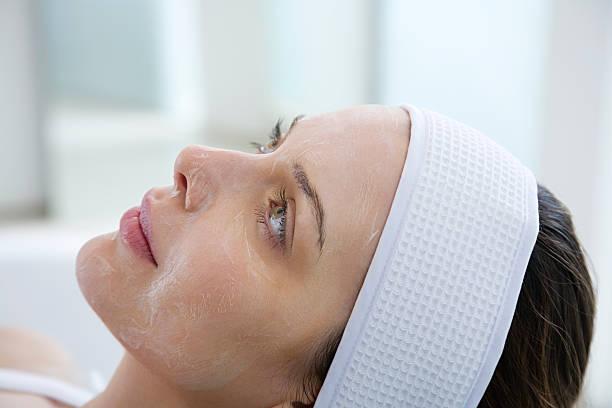
Improving skin texture, reducing visible marks, and creating a more even complexion can involve several professional treatment options. Two commonly considered procedures are chemical exfoliation and microneedling. Although both aim to improve skin appearance, they work through different biological processes.
A Chemical Peel in Dubai uses a selected chemical solution to exfoliate controlled layers of skin. Microneedling uses fine needles to create tiny, controlled punctures that activate the skin's wound-healing response. The difference in their mechanisms makes each procedure suitable for different concerns.
Understanding Chemical Peel Treatment
Chemical peels use acids or combination formulations to loosen and remove dead skin cells. Their depth can vary according to the ingredients, concentration, pH, application technique, and intended treatment outcome.
Superficial peels mainly affect the outer epidermis. Medium-depth procedures reach further into the epidermis and may affect the upper dermis. Deeper peels are more intensive and require careful medical selection and supervision.
Chemical Peel in Dubai for Surface Skin Concerns
Depending on the formulation, a chemical peel may help improve:
-
Dullness and uneven surface texture
-
Selected forms of superficial pigmentation
-
Mild acne marks
-
Certain types of clogged pores
-
The appearance of some fine lines
Glycolic acid, lactic acid, salicylic acid, and TCA are examples of ingredients used in different professional peel formulations.
A peel does not physically puncture the skin. Its primary action is controlled chemical exfoliation, and the expected outcome depends on the treatment depth and the condition being addressed.
Understanding Microneedling
Microneedling is a minimally invasive procedure that uses a device with fine needles to create controlled micro-injuries in the skin. These tiny punctures activate wound-healing processes, including changes associated with collagen remodelling.
Treatment depth and technique vary according to the device, treatment area, skin condition, and professional protocol.
Skin Concerns Commonly Addressed with Microneedling
Microneedling may be considered for:
-
Certain types of atrophic acne scars
-
Uneven skin texture
-
Selected enlarged-pore concerns
-
Fine lines
-
Skin irregularities associated with scarring
Results develop gradually as the skin responds to treatment. Multiple sessions may be recommended, depending on the concern and individual response.
Microneedling is not appropriate for everyone. Active skin infections, certain inflammatory conditions, and other medical factors may affect suitability.
Chemical Peel in Dubai vs Microneedling: How They Differ
The most important distinction is the way each procedure interacts with the skin.
| Feature | Chemical Peel | Microneedling |
|---|---|---|
| Main mechanism | Controlled chemical exfoliation | Controlled micro-injuries |
| Primary focus | Surface exfoliation and selected pigmentation concerns | Wound-healing response and collagen remodelling |
| Common ingredients or tools | Acids such as glycolic, salicylic, or TCA | Fine needles and a professional device |
| Recovery | Dryness, redness, or peeling depending on depth | Redness, sensitivity, and possible pinpoint marks |
| Treatment plan | Depends on peel depth and skin response | Often involves a planned series |
| Main considerations | Irritation and pigmentation changes | Infection prevention, inflammation, and pigmentation risk |
Neither procedure is universally superior. The appropriate choice depends on the skin concern, medical history, and expected recovery.
Which Treatment Is More Suitable for Acne Scars?
Acne scars vary in shape, depth, and severity. Some are primarily changes in pigmentation, while others involve depressions or raised tissue.
Chemical Peel in Dubai for Acne Marks
A superficial peel may help improve post-acne discolouration and mild surface irregularities. Salicylic acid may also be considered for suitable patients with oily or congested skin.
However, chemical exfoliation generally has limitations when treating deep, established atrophic scars. A more targeted procedure may be needed.
Microneedling for Selected Atrophic Scars
Microneedling may be considered for certain depressed acne scars because it stimulates a wound-healing response and collagen remodelling. Its effectiveness depends on scar type, depth, technique, and individual skin response.
Deep or tethered scars may require other procedures or a combination approach. A professional should identify the scar type before recommending treatment.
Comparing Pigmentation and Uneven Skin Tone
Pigmentation concerns require careful diagnosis because not all dark marks have the same cause.
A chemical peel may help with selected superficial pigmentation by promoting exfoliation. However, conditions such as melasma can be persistent and may worsen with irritation or excessive inflammation.
Microneedling may be considered in selected treatment plans, but it is not automatically appropriate for every pigmentation concern. In some skin types, inflammation can lead to post-inflammatory hyperpigmentation.
Chemical Peel in Dubai for Superficial Discolouration
When superficial pigmentation is the main concern, a carefully selected peel may be considered alongside a consistent skincare routine and sun protection.
The clinician should evaluate the pigmentation pattern, skin tone, previous reactions, and risk of post-treatment discolouration before choosing a formulation.
Downtime and Recovery Differences
Recovery varies with the treatment intensity and the individual's skin response.
After a superficial chemical peel, the skin may experience mild redness, dryness, tightness, or flaking. More intensive peels can involve longer and more visible recovery.
After microneedling, temporary redness, swelling, sensitivity, and pinpoint bleeding may occur. The recovery period depends on needle depth and treatment technique.
During recovery from either procedure:
-
Follow the prescribed cleansing and moisturising routine.
-
Use broad-spectrum sunscreen.
-
Avoid picking, scratching, or aggressively exfoliating the skin.
-
Pause retinoids and exfoliating acids until the treating professional advises that they can be restarted.
-
Avoid additional procedures until the skin has recovered.
Increasing pain, blistering, signs of infection, or unexpected pigmentation should be assessed by a healthcare professional.
Can Chemical Peels and Microneedling Be Combined?
A combined treatment plan may be considered for selected patients, but the procedures should not be performed together automatically. Both can cause controlled skin injury or irritation, and performing them too close together may compromise recovery.
A clinician may recommend separating treatments and monitoring the skin between sessions. In some cases, using only one procedure may be more appropriate.
Clinic Note: Treatment selection should begin with identifying the type of skin concern. Pigmentation, acne marks, and depressed scars are different conditions and may require different approaches.
Frequently Asked Questions
Is a chemical peel better than microneedling?
Neither is always better. Chemical peels are often used for selected surface concerns and pigmentation, while microneedling may be considered for certain textural irregularities and atrophic acne scars.
Which treatment has less downtime?
A superficial chemical peel may involve mild flaking, while microneedling commonly causes temporary redness and sensitivity. The actual recovery depends on treatment intensity and individual response.
Can microneedling remove deep acne scars?
Microneedling may improve selected atrophic scars, but deep or tethered scars can require additional treatments. Complete scar removal should not be expected.
Is a chemical peel suitable for darker skin tones?
Selected peels may be suitable, but careful formulation choice and conservative treatment are important because irritation can cause post-inflammatory hyperpigmentation.
Can both treatments be included in one skincare plan?
Yes, in selected cases. A professional should determine the order and spacing to allow adequate recovery and reduce the risk of irritation.
Making an Informed Skin Treatment Decision
Chemical peels and microneedling offer different approaches to skin improvement. A chemical peel focuses on controlled exfoliation, while microneedling activates the skin's wound-healing response. Choosing between them requires an assessment of the concern, skin tone, medical history, and recovery expectations.
At Tajmeels Clinic, a personalised consultation can help identify an appropriate treatment approach based on your skin's needs rather than relying on a one-size-fits-all procedure.

 English
 Arabic
 French
 Portuguese
 Deutsch
 Turkish
 Dutch
 Italiano
 Russian
 Romaian
 Portuguese (Brazil)
 Greek