
Which Design Details Matter in Gangnam Logistic Pallet Mould Development
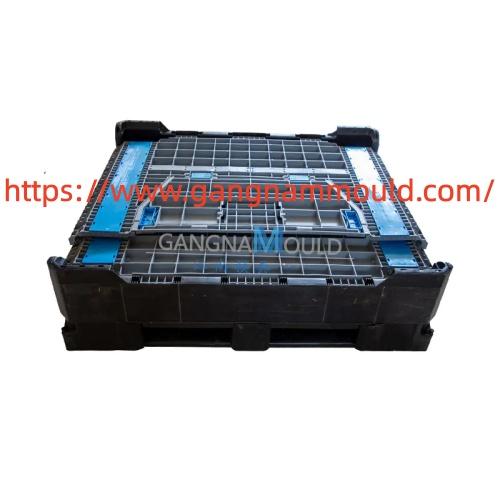
Logistic Pallet Mould is an important part of developing plastic handling platforms for modern warehouses, manufacturing facilities, and distribution networks. As businesses manage increasingly complex storage and transportation processes, the design of reusable handling equipment deserves careful attention. Its structure, surface layout, material composition, and compatibility with warehouse equipment can all influence daily operations. For manufacturers, developing a suitable product requires more than creating a functional shape. It involves connecting practical application needs with thoughtful engineering and production planning.
Warehouse operations involve a continuous flow of goods between receiving areas, storage locations, production lines, and delivery facilities. Handling equipment needs to accommodate these different environments while supporting organized movement. A platform used in a manufacturing facility may have different design requirements from one intended for retail distribution or outdoor storage. Understanding these differences helps manufacturers establish a clear direction before beginning product development.
Material selection is one of the first considerations during the planning stage. Polypropylene and high density polyethylene are commonly considered in plastic handling equipment manufacturing. Each material has different characteristics that influence rigidity, flexibility, impact resistance, and processing behavior. The selection should reflect the intended working environment rather than being based on appearance alone.
For example, equipment used in facilities with frequent handling activities may require attention to impact resistance and structural stability. Outdoor applications may involve exposure to sunlight, moisture, and changing environmental conditions. Manufacturers should discuss these factors when choosing suitable raw materials. The relationship between material properties and product geometry also deserves attention because the same material can behave differently depending on the overall structural arrangement.
Another important consideration is the surface design. A flat upper surface may suit certain storage applications, while textured areas can help improve contact between packaged goods and the supporting platform. Some businesses may also require identification areas, company logos, or customized surface patterns. These details can support product recognition and make inventory management more convenient.
The underside structure deserves equal attention. Support blocks, connecting ribs, and reinforcement sections contribute to the way a finished product distributes weight. Their arrangement should reflect the intended handling conditions and interaction with lifting equipment. Fork entry openings also require careful planning because their position and shape influence how operators access the product during loading and unloading.
Storage efficiency is another subject that deserves consideration. Empty handling equipment can occupy considerable warehouse space when its design does not support convenient storage. Depending on the intended application, stackable or nestable structures may help businesses organize unused units more effectively. Buyers should evaluate how the product will be stored, moved, and retrieved throughout its working life.
Manufacturing technology connects these design decisions with the final product. Computer aided design allows engineers to examine structural details before production tooling is developed. Three dimensional modeling can help identify potential interference between components, review support arrangements, and make adjustments to the overall geometry.
Flow simulation can also provide useful information about how molten plastic enters and fills the cavity. Gate positioning, ventilation, and cooling arrangements need to work together to support consistent production. Uneven cooling may contribute to shrinkage differences or deformation, while unsuitable material flow can affect surface appearance and structural consistency. Addressing these considerations during engineering preparation can help reduce difficulties during later production trials.
Buyers should also pay attention to equipment compatibility before confirming a design. Warehouse facilities may use forklifts, pallet trucks, conveyor systems, or automated storage equipment. The dimensions, entry openings, surface structure, and overall geometry should be reviewed in relation to the intended handling environment. A product designed without considering these requirements may create unnecessary adjustments after delivery.
Maintenance planning is another part of a practical purchasing decision. Businesses should consider how the finished equipment will be cleaned, inspected, and maintained during repeated use. Accessible surfaces and suitable structural arrangements can make routine inspection more convenient. Manufacturers should also evaluate how the design accommodates wear in areas that experience frequent contact with handling equipment.
Customization can provide additional flexibility for businesses serving different industries. Some customers may need specialized surface patterns, particular entry configurations, or identification features. Others may focus on compatibility with existing storage systems. Discussing these requirements early allows engineers to consider customization during the initial development process rather than attempting complicated modifications later.
Selecting a tooling manufacturer also requires attention to communication and technical cooperation. Buyers can prepare product drawings, application descriptions, material preferences, and reference images to explain their expectations. A capable manufacturing partner should be able to discuss design feasibility, engineering arrangements, production preparation, and maintenance considerations throughout the project.
Gangnam focuses on plastic product tooling development and provides manufacturing support for businesses working on industrial and commercial product projects. By connecting design requirements with engineering preparation, the company helps customers consider the relationship between product structure and manufacturing processes.
As warehouse operations continue to involve different handling methods and storage requirements, product development needs to account for practical working conditions. Material behavior, surface design, structural reinforcement, equipment compatibility, and production planning all deserve attention before manufacturing begins. Businesses interested in developing customized industrial products can visit https://www.gangnammould.com/product/ to review related tooling solutions and discuss their project requirements with Gangnam.

 English
 Arabic
 French
 Spanish
 Deutsch
 Turkish
 Dutch
 Italiano
 Russian
 Romaian
 Portuguese (Brazil)
 Greek