
Custom Parchment Paper For Food Businesses
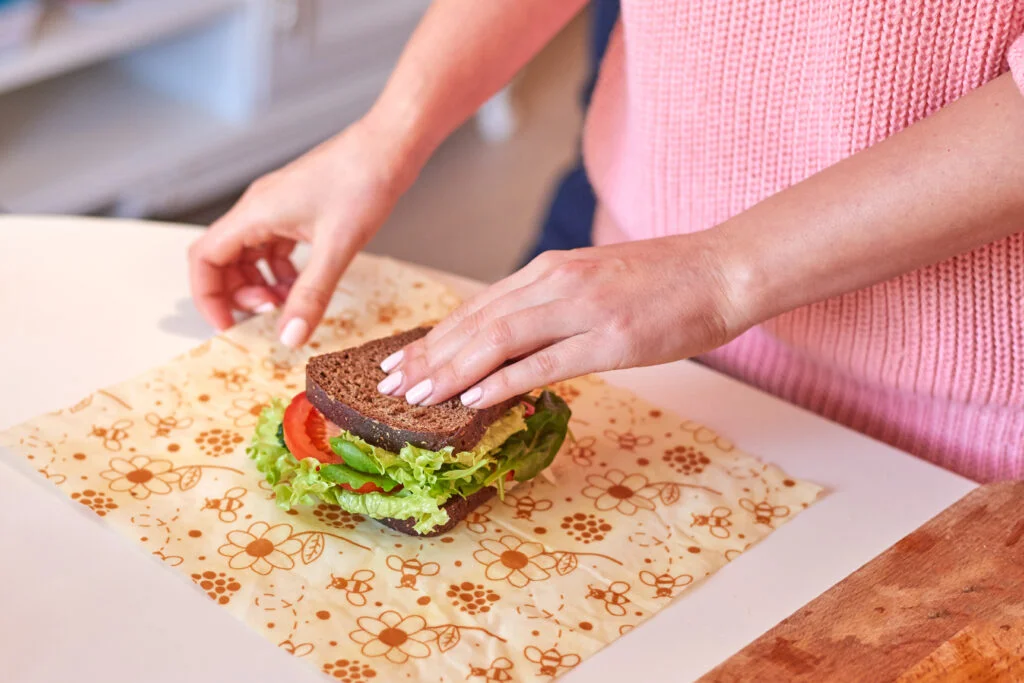
Good food deserves an attractive presentation, and even small packaging details can make a difference. Bakeries, cafes, restaurants, and food trucks often look for simple ways to make their products stand out. The paper used to wrap sandwiches, line food baskets, or present baked goods can be part of that effort. Custom Parchment Paper offers a practical way to combine everyday food handling with a neat and recognizable brand appearance. It can help keep serving areas cleaner while giving customers a more consistent experience. Businesses can choose suitable sizes, designs, and formats based on the food they serve. However, selecting the right paper involves more than choosing an attractive design. Food safety, paper quality, printing, and cost all deserve attention. Understanding these details helps businesses choose packaging that works well during busy service hours and supports their overall presentation.
Understanding Paper Quality
Parchment paper is commonly used in baking and food preparation Custom Printed Parchment Paper because it offers a nonstick surface and can help prevent food from sticking to trays. Its heat resistance depends on the material and the manufacturer's specifications, so businesses should always check the recommended temperature range before using it in an oven. For restaurants and cafes, paper quality also affects how well the material handles moisture, grease, and everyday use. A suitable product should be strong enough for its intended purpose without becoming unnecessarily thick or difficult to fold. Choosing the right grade can reduce waste and make food preparation easier. Before placing a large order, request product specifications and samples to confirm that the paper meets your practical requirements.
Improving Brand Recognition
Packaging gives customers another opportunity to recognize a business. A carefully selected design can create a consistent appearance across takeaway orders, bakery boxes, and food baskets. For example, Custom Printed Parchment Paper can feature brand colors, simple patterns, or other design elements that match the business's existing packaging. The goal is to make the presentation attractive without distracting attention from the food itself. A clean layout usually works better than an overcrowded design with too many colors or messages. Businesses should also consider how the print will look when the paper is folded or wrapped around a product. Testing the design on an actual serving container can help reveal placement issues before production begins.
Adding Your Logo
A recognizable logo can help customers connect the food they enjoy with the business that prepared it. Printing a logo on food wrapping creates a consistent visual detail that customers may notice when opening an order or sharing a meal. Custom Parchment Paper With Logo is particularly useful for burger shops, sandwich counters, bakeries, and restaurants that serve food in lined trays. The logo should remain clear at the chosen print size and should not overwhelm the rest of the design. Businesses also need to confirm that the inks and printing process are suitable for the intended food-contact application. Ask the supplier about applicable food-contact requirements, ink safety documentation, and any restrictions on direct contact with hot, oily, or moist foods.
Choosing Suitable Formats
Different food businesses need different paper formats. A bakery may prefer sheets that fit standard baking trays, while a sandwich shop might need paper that folds neatly around individual orders. In these situations, Custom Parchment Paper Sheets can simplify preparation because staff can select a suitable sheet for each item without cutting a larger piece every time. Pre-cut formats may also help maintain consistent portion sizes and reduce unnecessary material use. Before choosing dimensions, measure the trays, baskets, or containers used most often. Consider the amount of paper needed to cover the base and sides without making the serving area look untidy. A practical size can improve workflow and create a cleaner appearance during busy periods.
Managing Large Orders
Growing businesses often need packaging that remains consistent across multiple locations or repeated production runs. Buying larger quantities may reduce the price per unit, although the final savings depend on storage, shipping, printing costs, and minimum order requirements. Custom Parchment Paper Wholesale options can suit businesses that have predictable demand and enough space to store packaging properly. However, placing a large order before testing the product can create unnecessary risk. Request a sample first and check its thickness, print quality, grease resistance, and performance during normal use. It is also wise to ask how quickly the supplier can fulfill repeat orders. Reliable production schedules help businesses avoid shortages during holidays, seasonal peaks, and unexpected increases in customer demand.
Selecting Roll Options
Some businesses prefer continuous paper because it allows staff to cut pieces according to the size of each order. Custom Parchment Paper Rolls can be useful in commercial kitchens, bakeries, and food preparation areas where serving sizes vary throughout the day. Rolls may also require less handling than separate sheets in certain workflows. The right width depends on the trays, work surfaces, or food containers being used. Businesses should check whether the roll fits their dispensers and whether staff can cut it safely and efficiently. Storage conditions matter as well. Keep paper protected from moisture, dust, and strong odors so it remains clean before use. Compare roll length and width carefully, since a lower purchase price does not always mean a lower cost per usable portion.
Planning Bulk Purchases
Large orders can make sense when a business uses the same packaging regularly. Custom Parchment Paper In Bulk may offer better unit pricing, but businesses should calculate expected consumption before committing to a large quantity. Estimate weekly usage by considering average daily orders and the number of paper pieces used for each product. This simple calculation helps prevent both shortages and excessive stock. Storage space is another important factor, especially for small cafes and independent bakeries. Paper should remain dry and protected from contamination throughout storage. Businesses should also review minimum order quantities, delivery schedules, and the supplier's policy for defective printing or damaged shipments. A well-planned purchase balances cost savings with product quality and the ability to manage inventory comfortably.
Evaluating Supplier Reliability
The supplier you choose affects product consistency, delivery times, and the quality of the final printed result. Businesses comparing custom printed greaseproof papers providers should ask about material specifications, printing capabilities, available sizes, and production lead times. Clear communication is especially helpful when a design includes small text, detailed artwork, or several brand colors. Request a printed sample or proof before approving full production. It is also sensible to ask for documentation showing that the product is suitable for its intended food-contact use. Compare quotations carefully, including setup charges, shipping, minimum quantities, and repeat-order pricing. A supplier offering the lowest initial price may not provide the best overall value if quality varies or deliveries arrive late.
Conclusion
Choosing the right food packaging involves balancing appearance, practicality, and safety. Businesses should start by identifying how the paper will be used, what sizes they need, and how much they expect to consume. Material quality and suitable food-contact documentation should come before decorative choices. Once these basics are covered, a thoughtful design can help create a more consistent customer experience. Samples are useful because they allow businesses to assess the actual product before making a larger commitment.
Custom Parchment Paper can be a practical addition to a bakery, restaurant, cafe, or takeaway business. The best option depends on daily operations, storage space, order volume, and budget. By comparing suppliers carefully and testing the paper before ordering, businesses can choose packaging that supports efficient service and a professional presentation without spending more than necessary.

 English
 Arabic
 French
 Spanish
 Portuguese
 Deutsch
 Dutch
 Italiano
 Russian
 Romaian
 Portuguese (Brazil)
 Greek