
Can Mounjaro Injections Help Control Blood Sugar Spikes?
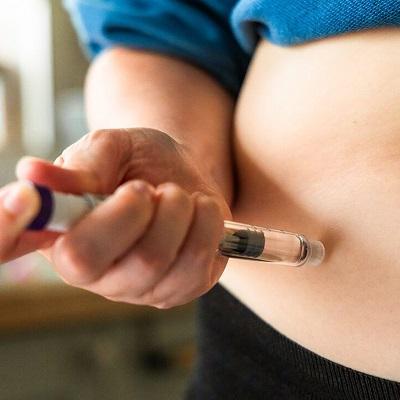
Blood sugar spikes can be a concern for people living with type 2 diabetes, particularly when glucose levels rise significantly after meals. These sudden increases can affect overall glucose management and may contribute to long-term health complications if they occur frequently. Managing blood sugar requires a combination of healthy eating habits, regular physical activity, appropriate medical treatment, and consistent monitoring. One treatment that has gained attention for its potential role in blood sugar management is Mounjaro.
For individuals exploring modern treatment options, Mounjaro Injections Oman may be a relevant topic to understand. Mounjaro contains tirzepatide, a prescription medication that works by activating two hormone receptors involved in blood sugar regulation and appetite control. Its ability to improve glucose management makes it an important treatment option for eligible adults with type 2 diabetes. However, understanding how it works, its benefits, and its limitations is essential before considering treatment.
How Do Mounjaro Injections Work to Regulate Blood Sugar?
Mounjaro is an injectable prescription medication containing tirzepatide. It belongs to a class of medications known as dual GIP and GLP-1 receptor agonists. These hormones naturally occur in the body and play important roles in regulating blood sugar levels, insulin production, and digestion.
Tirzepatide activates both hormone receptors, helping the body respond more effectively to changes in glucose levels. Its main actions include:
-
Supporting insulin production: Mounjaro helps the pancreas release more insulin when blood sugar levels are elevated.
-
Reducing glucagon levels: It helps reduce the release of glucagon, a hormone that signals the liver to release stored glucose into the bloodstream.
-
Slowing stomach emptying: The medication slows the movement of food from the stomach into the small intestine, particularly during the initial stages of treatment. This can help reduce rapid increases in blood sugar after meals.
-
Improving glucose regulation: By influencing these hormonal processes, Mounjaro helps the body maintain more stable blood sugar levels.
These combined effects make tirzepatide particularly useful for improving blood glucose control in adults with type 2 diabetes when prescribed as part of an appropriate treatment plan.
Can Mounjaro Help Prevent Blood Sugar Spikes After Meals?
Post-meal blood sugar spikes occur when glucose levels rise after eating. This happens because carbohydrates are broken down into glucose, which enters the bloodstream and provides energy to the body.
For people with type 2 diabetes, the body may not produce enough insulin or respond effectively to it. As a result, blood sugar can remain elevated for longer than expected.
Mounjaro may help manage these fluctuations through several mechanisms.
1. Slower digestion and glucose absorption
One of the medication's effects is delaying gastric emptying. When food moves more slowly from the stomach into the small intestine, glucose may enter the bloodstream at a slower rate. This can help reduce sharp increases in blood sugar after meals.
2. Improved insulin response
Mounjaro supports glucose-dependent insulin secretion. This means that it encourages the pancreas to release insulin when glucose levels are elevated. Insulin helps move glucose from the bloodstream into the body's cells, where it can be used for energy.
3. Reduced excess glucose production
The medication also helps regulate glucagon, which plays a role in controlling how much glucose the liver releases. Reducing excessive glucagon activity can contribute to better blood sugar management.
Although these effects can help reduce post-meal glucose fluctuations, Mounjaro does not eliminate every blood sugar spike. Meal composition, portion sizes, physical activity, medication adherence, stress, and individual metabolic health can all influence glucose levels.
What Are the Main Benefits of Mounjaro for Blood Sugar Management?
Mounjaro offers several potential benefits for eligible adults with type 2 diabetes. Its dual-hormone mechanism allows it to influence multiple processes involved in glucose regulation.
1. Improved HbA1c Levels
HbA1c is a blood test that measures average blood sugar levels over approximately two to three months. It is commonly used to evaluate long-term diabetes management.
Clinical studies have shown that tirzepatide can significantly reduce HbA1c levels in adults with type 2 diabetes. Improved HbA1c can indicate better overall glucose control and a reduced frequency of prolonged elevated blood sugar levels.
2. Support for Weight Management
Excess body weight can contribute to insulin resistance, making blood sugar management more challenging.
Mounjaro can reduce appetite and increase feelings of fullness, which may help individuals consume fewer calories. Clinical trials have demonstrated substantial weight reduction in many participants.
Weight management can also improve insulin sensitivity, potentially supporting better glucose regulation.
However, weight loss varies between individuals and depends on factors such as lifestyle, dosage, treatment duration, and overall health.
3. Reduced Risk of Low Blood Sugar When Used Alone
Mounjaro stimulates insulin release primarily when blood glucose levels are elevated. Because of this glucose-dependent action, it generally has a relatively low risk of causing hypoglycemia when used alone.
However, the risk of low blood sugar can increase when Mounjaro is combined with insulin or certain medications known as sulfonylureas. A healthcare professional may need to adjust other diabetes medications to reduce this risk.
4. Convenient Weekly Administration
Mounjaro is administered as a subcutaneous injection once a week. This schedule may be convenient for individuals who prefer less frequent medication administration.
The injection is generally given under the skin of the abdomen, thigh, or upper arm. Injection sites should be rotated according to the medication instructions.
Who May Benefit from Mounjaro Injections?
Mounjaro is primarily prescribed to adults with type 2 diabetes to improve blood sugar control alongside diet and exercise.
It may be considered for individuals who:
-
Have difficulty maintaining their target blood sugar levels.
-
Experience frequent post-meal glucose elevations.
-
Need additional support alongside their existing diabetes treatment.
-
Have type 2 diabetes and may benefit from improved weight management.
-
Require a treatment that works through multiple hormonal pathways.
However, Mounjaro is not suitable for everyone. It is not intended to treat type 1 diabetes or diabetic ketoacidosis.
It is also not appropriate for individuals with certain medical conditions or risk factors without careful medical evaluation. People with a personal or family history of medullary thyroid carcinoma or multiple endocrine neoplasia syndrome type 2 should not use Mounjaro under its US prescribing contraindications.
Pregnant individuals, people with a history of pancreatitis, and those with significant digestive or kidney-related concerns should discuss potential risks with a healthcare professional.
A proper assessment helps determine whether the medication is appropriate based on medical history, current medications, and individual treatment goals.
What Should Individuals Expect During Mounjaro Treatment?
Mounjaro treatment generally begins with a low dose that is gradually increased when appropriate. This gradual approach helps the body adjust to the medication and may reduce digestive side effects.
The usual starting dose is 2.5 mg once weekly for four weeks. After this initial period, the prescribing healthcare professional may increase the dose to 5 mg once weekly. Further increases can be considered when necessary, with at least four weeks between dose adjustments.
The appropriate maintenance dose depends on individual response, treatment goals, and tolerability.
During treatment, individuals may notice several changes:
-
Blood sugar readings may gradually improve.
-
Appetite may decrease.
-
Feelings of fullness may last longer after meals.
-
Weight may decrease over time.
-
Digestive symptoms may occur, particularly when starting treatment or increasing the dose.
Regular monitoring is important to evaluate treatment effectiveness. Blood glucose readings and HbA1c tests can help determine whether the medication is providing the desired results.
Mounjaro should be used according to the prescribed schedule. Individuals should not increase their dosage independently or discontinue other diabetes medications without professional guidance.
Lifestyle Habits That Can Improve Blood Sugar Control Alongside Mounjaro
Although Mounjaro can support blood sugar regulation, healthy lifestyle habits remain an essential part of diabetes management. Medication and lifestyle changes often work best when combined.
Choose balanced meals
Meals containing vegetables, lean proteins, healthy fats, and high-fibre carbohydrates can help support more gradual glucose absorption. Reducing excessive intake of sugary drinks, sweets, and highly processed carbohydrates may also help prevent sharp glucose fluctuations.
Control portion sizes
Eating large portions, particularly of carbohydrate-rich foods, can lead to significant post-meal glucose increases. Appropriate portion control can make blood sugar management easier.
Stay physically active
Walking, cycling, swimming, and other moderate activities can improve insulin sensitivity. Even a short walk after meals may help reduce post-meal glucose elevations.
Maintain proper hydration
Drinking enough water supports normal bodily functions. Replacing sugary beverages with water can also help reduce unnecessary sugar consumption.
Prioritise quality sleep
Insufficient sleep can affect hormones involved in appetite regulation and insulin sensitivity. Maintaining a consistent sleep schedule may support better metabolic health.
Monitor glucose levels regularly
Tracking blood sugar readings can help individuals identify patterns and understand how different foods, activities, and medications affect their glucose levels.
What Are the Possible Side Effects of Mounjaro?
Like other prescription medications, Mounjaro can cause side effects. Most commonly reported reactions involve the digestive system.
These may include:
-
Nausea
-
Diarrhoea
-
Vomiting
-
Constipation
-
Reduced appetite
-
Abdominal discomfort
-
Indigestion
These symptoms are often more noticeable when treatment begins or the dosage increases. They may improve as the body adjusts.
Eating smaller meals, avoiding excessively fatty foods, and staying hydrated may help manage some digestive symptoms.
However, certain side effects require immediate medical attention. Severe or persistent abdominal pain, especially when it spreads to the back, may indicate pancreatitis. Serious allergic reactions, symptoms of gallbladder problems, and persistent vomiting or dehydration also require prompt medical assessment.
Mounjaro carries a boxed warning in the United States concerning thyroid C-cell tumours observed in animal studies. It is unknown whether this risk applies to humans, but the medication is contraindicated in people with a personal or family history of medullary thyroid carcinoma or multiple endocrine neoplasia syndrome type 2 under US prescribing information.
Understanding these potential risks helps individuals make informed decisions about treatment.
Frequently Asked Questions About Mounjaro and Blood Sugar Spikes
1. Can Mounjaro reduce blood sugar spikes after eating?
Yes. Mounjaro may help reduce post-meal blood sugar increases by slowing stomach emptying, improving glucose-dependent insulin secretion, and reducing glucagon levels. However, the results vary between individuals, and occasional glucose spikes may still occur.
2. How quickly does Mounjaro start working for blood sugar control?
Mounjaro begins working after administration, but noticeable improvements in blood sugar levels may develop over the first few weeks. Its full effect on long-term glucose control is generally assessed over a longer period using HbA1c tests and regular monitoring.
3. Does Mounjaro help lower HbA1c levels?
Yes. Clinical research has demonstrated that tirzepatide can significantly lower HbA1c in adults with type 2 diabetes. The extent of improvement depends on factors such as dosage, baseline glucose levels, treatment duration, and individual response.
4. Can Mounjaro prevent all blood sugar spikes?
No. Although Mounjaro can improve glucose regulation and help reduce post-meal fluctuations, it cannot prevent every blood sugar spike. Food choices, portion sizes, physical activity, stress, illness, and other health factors continue to influence glucose levels.
5. Can Mounjaro be used with other diabetes medications?
Yes. Mounjaro may be prescribed alongside certain diabetes medications when additional glucose control is needed. However, combining it with insulin or sulfonylureas can increase the risk of hypoglycemia. A healthcare professional may need to adjust the doses of other medications.
6. Is Mounjaro suitable for everyone with high blood sugar?
No. Mounjaro is primarily prescribed for eligible adults with type 2 diabetes. It is not a universal treatment for high blood sugar and is not intended for type 1 diabetes. A medical evaluation is necessary to determine whether it is suitable for an individual's health needs.
Final Thoughts
Mounjaro can play an important role in managing blood sugar spikes in adults with type 2 diabetes. Its dual-action mechanism helps regulate insulin and glucagon activity while slowing stomach emptying, which can contribute to improved post-meal glucose control and lower HbA1c levels.
Its additional effects on appetite and body weight may provide further metabolic benefits for eligible individuals. Nevertheless, Mounjaro is not a replacement for healthy lifestyle habits, regular glucose monitoring, or appropriate medical supervision.
Anyone considering this treatment should discuss its potential benefits, side effects, and suitability with a qualified healthcare professional. With the right treatment approach, consistent monitoring, and sustainable lifestyle changes, better blood sugar management may become a more achievable goal.
Read More About Mounjaro Injections: https://selfyclub.com/read-blog/7368

 English
 Arabic
 French
 Spanish
 Portuguese
 Deutsch
 Turkish
 Dutch
 Russian
 Romaian
 Portuguese (Brazil)
 Greek