
The Emerging Market for Tokenized Future Development Rights
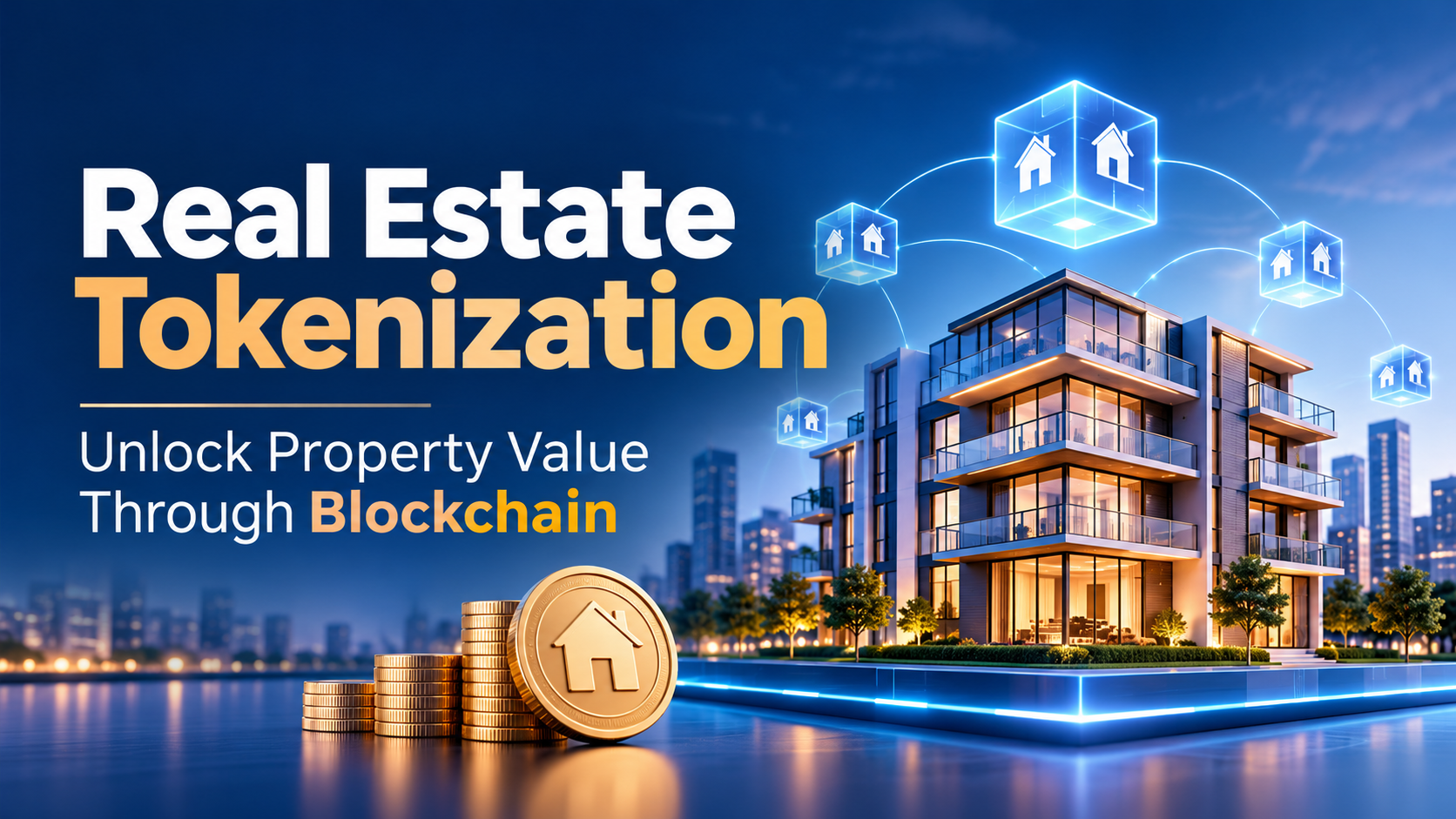
Real estate development is entering a new phase as property owners, land developers, infrastructure companies, and investors explore alternative ways to structure and finance development projects. One emerging opportunity is the tokenization of development rights, which allows eligible interests associated with the right to develop a property or parcel of land to be represented digitally on a blockchain.
Traditionally, development rights have been managed through legal agreements, property ownership arrangements, zoning permissions, and project-specific financing structures. Although these rights can carry significant economic value, accessing investment opportunities associated with them is often complicated by high capital requirements, lengthy transactions, and limited investor participation.
Tokenization introduces a different approach. By converting eligible development-related interests into blockchain-based digital tokens, businesses can explore fractional investment models, improve ownership administration, and create more flexible capital-raising structures.
As real estate tokenization expands beyond conventional property ownership, development rights could become another important category within the broader real-world asset (RWA) market.
Understanding Tokenized Development Rights
Development rights refer to legally recognized permissions or entitlements that allow a property owner or authorized developer to construct, expand, modify, or change the use of a particular property, subject to applicable regulations.
These rights may involve:
-
Permission to construct residential or commercial buildings.
-
Additional floor area or building density allowances.
-
Air rights associated with unused vertical development potential.
-
Development entitlements for undeveloped land.
-
Rights to redevelop existing commercial properties.
-
Transferable development rights (TDRs), where permitted by local regulations.
-
Additional development capacity granted through planning or zoning arrangements.
Not all development rights are independently transferable or suitable for investment. Their legal status depends on the jurisdiction, planning regulations, property ownership structure, and applicable contractual arrangements.
Why Development Rights Are Becoming an Emerging Investment Category
The value of real estate is not limited to its existing buildings or current rental income. In many cases, a significant portion of its potential value comes from what can be developed on the property in the future.
An undeveloped parcel with approved construction permissions, additional floor-area allowances, or redevelopment potential may offer opportunities that traditional property investment structures do not fully capture.
Several market developments are creating interest in tokenized development rights.
Unlocking the Financial Value of Undeveloped Land
Large land parcels often remain underutilized because developers lack sufficient capital to move forward with construction. However, these properties may hold substantial development potential through approved plans, zoning permissions, or future construction opportunities.
Tokenization can help structure investment participation around eligible economic interests associated with these development opportunities.
Rather than requiring a single investor to finance the entire project, developers may explore fractional investment models that allow multiple eligible investors to participate.
Creating New Financing Opportunities for Developers
Traditional real estate development financing frequently involves bank loans, institutional capital, private equity, and joint ventures. These arrangements may require substantial collateral, lengthy negotiations, and complex ownership structures. Tokenized development rights introduce another potential financing approach.
Developers can establish blockchain-based investment structures connected to eligible development projects. Depending on the legal arrangement, these structures may allow investors to participate in project appreciation, development profits, or other contractual financial benefits.
This creates an additional avenue for exploring capital formation without necessarily transferring complete property ownership.
Increasing Interest in Air Rights and Development Potential
Air rights represent another interesting area within the development rights market. In certain jurisdictions, property owners may have the ability to develop unused space above existing buildings or transfer eligible development capacity to other properties.
For example, a commercial building may have unused development potential under applicable zoning regulations. A developer could explore a transaction involving those rights, subject to local planning and legal requirements.
Tokenization could support digital representation and administration of eligible economic interests connected to these arrangements.
Expanding Investment Models Beyond Property Ownership
Conventional real estate tokenization primarily focuses on fractional property ownership, rental income, or interests in property-holding entities. Development rights introduce a different investment concept.
Investors may participate in the economic potential of a development project without necessarily acquiring direct ownership of the underlying property.
This creates opportunities to explore investment structures associated with:
-
Residential development projects.
-
Commercial construction.
-
Mixed-use developments.
-
Industrial property expansion.
-
Redevelopment of existing buildings.
-
Land development and infrastructure projects.
The actual investor rights and financial outcomes depend on the legal structure supporting each opportunity.
Real-World Opportunities for Tokenized Development Rights
The potential applications of tokenization extend across several property development categories. Each category presents different financing requirements, legal considerations, and investment possibilities.
1. Undeveloped Land Development
Undeveloped land can represent a significant source of future real estate value, particularly when it has favorable zoning conditions, infrastructure access, or approved development plans.
Landowners may explore tokenized investment structures to raise capital for preparing land, obtaining necessary approvals, installing infrastructure, or initiating construction.
For instance, a developer holding a legally controlled land parcel with an approved residential development plan could create a project-specific investment structure. Eligible investors could participate through digital tokens representing contractual interests in the project.
2. Commercial Property Expansion
Commercial properties frequently have opportunities for expansion, redevelopment, or additional construction. Shopping complexes, office buildings, hotels, and business parks may have unused development capacity that can support future projects. Tokenization could help developers structure investment participation around these expansion opportunities.
Instead of financing every development phase through conventional capital sources, businesses could explore tokenized funding arrangements linked to clearly defined project milestones and financial outcomes.
3. Residential Development Projects
Residential development often requires considerable upfront investment before properties generate revenue. Developers must finance land preparation, construction, approvals, infrastructure, and other project expenses. Tokenized development rights could support alternative capital-raising models for eligible residential projects.
For example, a developer could establish a project-specific entity and issue digital tokens representing legally defined investment interests. Investors could participate in the project's financial performance according to the terms of the investment agreement.
4. Mixed-Use Development Opportunities
Mixed-use developments combine residential buildings, retail spaces, offices, entertainment facilities, and hospitality infrastructure. These projects often involve multiple development phases, financing requirements, and revenue sources.
Tokenization could support investment structures that separate financial participation across different project components.
For example, a large development project could have distinct investment arrangements for its residential, commercial, and hospitality components, provided the underlying legal and regulatory structures permit them. This approach may give developers greater flexibility when organizing project financing.
5. Transferable Development Rights
Transferable development rights are particularly relevant to the emerging market. In jurisdictions that permit TDR programs, property owners may transfer eligible development capacity from one designated property to another under specific planning regulations.
For example, a property owner in a protected area may be able to transfer unused development rights to a receiving property where additional construction capacity is permitted.
Tokenization could potentially support digital recordkeeping, transaction administration, and tracking of eligible interests associated with such arrangements. However, blockchain tokens cannot replace official planning records, regulatory approvals, or legally recognized transfer procedures.
How Does Tokenization of Development Rights Work?
A tokenized development rights model requires coordination between property documentation, legal structuring, investment arrangements, and blockchain infrastructure.
The process generally involves the following stages.
Development rights tokenization process
-
Identify the development rights
Identify the property, existing development entitlements, zoning permissions, ownership interests, and associated legal documentation.
-
Establish the legal structure
Determine whether the investment will be structured through an SPV, contractual arrangement, fund, or another legally appropriate vehicle.
-
Evaluate the asset and project
Assess the development potential, financial projections, project risks, approvals, and valuation.
-
Design the token model
Define token supply, investor entitlements, distribution mechanisms, transfer restrictions, and the relationship between tokens and legal rights.
-
Develop the blockchain platform
Build smart contracts, investor onboarding, compliance workflows, token issuance, transaction management, and reporting capabilities.
-
Issue tokens and manage investments
Distribute tokens to eligible investors and manage ownership records, reporting, distributions, and permitted secondary transactions.
Each stage must be designed around the applicable property laws, securities regulations, and planning requirements.
Essential Features of a Tokenized Development Rights Platform
Businesses planning to enter this market need more than a basic token issuance system. A specialized platform should support the legal, operational, and financial requirements of development-related investments.
The following features can form the foundation of such a platform.
|
Platform feature |
Business purpose |
|---|---|
|
Asset management |
Maintain property and development project information |
|
Digital rights registry |
Record token-linked interests and relevant documentation |
|
Smart contract management |
Automate predefined investment rules |
|
Investor onboarding |
Support identity verification and eligibility checks |
|
Compliance management |
Enforce applicable investor and transfer restrictions |
|
Token issuance |
Create and distribute digital investment tokens |
|
Investment dashboard |
Display holdings and project-related information |
|
Distribution management |
Manage contractual profit or income distributions |
|
Transaction management |
Record permitted token transfers |
|
Reporting and analytics |
Track project performance and investor activity |
Smart Contract Infrastructure
Smart contracts can automate selected operations within a tokenized development rights platform.
These may include token issuance, investor allocation, transfer restrictions, distribution calculations, and transaction records.
For example, if an investment agreement specifies that eligible investors receive distributions based on their token holdings, smart contracts can automate the calculation and execution of those distributions when the required conditions are met.
However, smart contracts cannot independently verify whether construction permissions remain valid or whether a developer has fulfilled every legal obligation. Reliable off-chain verification and legal enforcement mechanisms remain essential.
Investor and Compliance Management
Development rights-related investments may fall under securities or other financial regulations, depending on their structure and jurisdiction.
A platform should therefore support investor verification, eligibility requirements, transaction monitoring, jurisdiction-based restrictions, and appropriate reporting.
These capabilities help businesses manage investment participation within the applicable regulatory framework.
Business Opportunities for Real Estate Tokenization Companies
The emergence of tokenized development rights creates opportunities not only for property developers and investors but also for blockchain technology providers.
Companies offering real estate tokenization development services can explore specialized platform solutions for businesses entering this market.
Some potential business opportunities include:
Custom development rights tokenization platforms: Businesses can build platforms designed to represent and manage eligible development-related investment interests.
White-label tokenization solutions: Real estate firms and investment businesses can launch branded platforms with configurable token issuance, investor management, and compliance features.
Multi-asset development platforms: Technology providers can develop systems supporting different property categories, including residential land, commercial projects, mixed-use developments, and redevelopment opportunities.
SPV-based tokenization solutions: Developers can create digital investment infrastructure for legally structured project-specific entities.
Secondary transaction infrastructure: Platforms can support permitted transfers between eligible investors, subject to applicable restrictions and legal requirements.
For companies such as Inoru, which focuses on tokenization development, this emerging category represents an opportunity to extend real estate tokenization infrastructure beyond conventional property ownership models.
The focus is on developing technology that connects asset documentation, investment management, smart contracts, and digital ownership records within a unified platform.
Challenges Affecting the Tokenized Development Rights Market
Despite its potential, this market faces several important challenges that businesses must address before launching tokenized development rights offerings.
1. Complex Legal Ownership Structures
Development rights are not necessarily independent assets. Their transferability and enforceability depend on local property laws, planning regulations, and contractual arrangements.
Businesses must establish exactly what the token represents and how investors' rights are legally protected.
2. Regulatory Uncertainty
If tokens represent investment interests, profit-sharing arrangements, or other financial claims, they may be classified as securities or regulated financial products.
Issuers must evaluate applicable regulations before offering tokens to investors.
3. Property Valuation Difficulties
Unlike completed properties with established market comparisons, development rights may be difficult to value.
Their economic potential can depend on construction costs, planning permissions, market demand, project timelines, and future property prices.
Independent valuation and transparent financial assumptions are important.
4. Dependence on Development Approvals
A tokenized investment opportunity does not guarantee that a development project will receive all necessary permissions.
Zoning changes, environmental restrictions, construction approvals, and infrastructure requirements can affect project feasibility.
Investors must understand these risks before participating.
5. Limited Secondary Market Liquidity
Although tokenization can make digital transfers easier, it does not automatically create market demand or liquidity.
Secondary transactions require appropriate legal permissions, eligible buyers, compliant trading infrastructure, and sufficient market participation.
The Future of Tokenized Development Rights
The next phase of real estate tokenization may involve investment opportunities connected to different stages of the property lifecycle.
Instead of focusing exclusively on completed properties or rental-generating assets, businesses may increasingly explore the financial potential of land, construction permissions, development entitlements, and future project economics.
This creates a broader opportunity for tokenization platforms to support specialized investment models.
Several developments could influence this market:
-
Greater adoption of blockchain-based property administration.
-
More structured digital investment models for development projects.
-
Increased interest in fractional participation in large-scale developments.
-
Integration of property registries with digital asset infrastructure where legally supported.
-
Expansion of tokenized investment structures for commercial and mixed-use developments.
-
More sophisticated platforms for managing project-based investment portfolios.
The pace of adoption will depend on regulatory clarity, legal recognition, investor protection, and the availability of viable development opportunities.
Conclusion: Can Development Rights Become the Next Real Estate Tokenization Opportunity?
Real estate investment is gradually moving beyond traditional ownership-based models. Land development potential, construction entitlements, air rights, and transferable development rights represent another layer of economic value that businesses may be able to structure into investment opportunities.
Tokenization offers a digital framework for representing eligible interests associated with these opportunities. It can support fractional investment structures, automated administration, transparent transaction records, and alternative capital-raising models.
However, the success of this market will depend on more than blockchain technology. Clear legal structures, reliable asset valuation, regulatory compliance, and enforceable investor rights will determine whether tokenized development rights become a viable investment category.

 English
 Arabic
 French
 Spanish
 Portuguese
 Deutsch
 Turkish
 Dutch
 Italiano
 Russian
 Romaian
 Greek