
Currency Exchange Rates: How Global Currency Values Affect Everyday Financial Decisions
What Are Currency Exchange Rates?
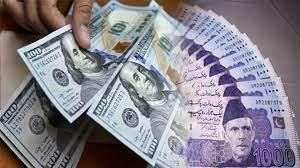
Currency exchange rates show the value of one country's currency compared with another country's currency. They help people understand how much foreign currency they can receive when exchanging their local money. For example, someone travelling from Pakistan to the United Kingdom needs to understand the relationship between the Pakistani rupee and British pound before converting money.
Every currency has its own value in the international financial market. These values are influenced by economic conditions, government policies, market demand, and international financial activities. Exchange rates make it possible for individuals, businesses, banks, and governments to carry out transactions across national borders.
Why Currency Exchange Rates Matter in Daily Life
Currency exchange rates are not only important for banks and financial experts. They also affect ordinary people who travel, shop internationally, receive payments from overseas, or support family members living in another country.
A person receiving money from abroad may want to know how much local currency will be available after conversion. Similarly, a traveller needs to understand the value of foreign money before preparing a travel budget. Online businesses and freelancers may also receive payments in international currencies and convert them into their local currency.
These situations show why exchange-rate information is useful for everyday financial planning. Understanding currency values helps people estimate expenses and make informed decisions before completing international transactions.
How the Foreign Exchange Market Works
The foreign exchange market, commonly known as the forex market, is where currencies are bought and sold. It operates through a global network of banks, financial institutions, businesses, brokers, and other market participants.
Unlike a traditional stock exchange, foreign currency trading takes place across different financial centres around the world. Trading activity continues across international time zones during the working week, allowing participants to exchange currencies for commercial, financial, and investment purposes.
Currencies are commonly traded in pairs. A currency pair compares one currency with another, showing how much of the second currency is needed to purchase one unit of the first. The value of a pair can change as market demand and supply move throughout the trading day.
What Factors Influence Currency Exchange Rates?
Several factors influence the value of currencies in the international market. Economic performance is one of the most important. Countries with stable economic conditions, productive industries, and strong financial systems may attract greater international investment, which can influence demand for their currencies.
Inflation also plays a major role. When prices increase rapidly within a country, the purchasing power of its currency can weaken. Differences in inflation between countries may influence how their currencies perform against each other.
Interest rates are another important factor. Central banks use monetary policy to manage economic conditions, and changes in interest rates can influence investment decisions and currency demand. Political developments, international trade, government debt, and investor confidence can also affect exchange-rate movements.
Understanding Fixed and Floating Exchange Rates
Countries use different systems to manage their currencies. Under a floating exchange-rate system, a currency's value is largely determined by market demand and supply. Its value may change frequently as economic conditions and international financial activity develop.
A fixed exchange-rate system links a currency's value to another currency or a selected reference. Under this arrangement, the central bank or relevant monetary authority works to maintain the currency within the established framework.
Some countries use managed arrangements that combine market activity with central-bank intervention. The choice of system depends on national economic policies and financial objectives. Understanding these systems helps explain why currency movements differ from one country to another.
Difference Between Buying and Selling Exchange Rates
When people exchange money through banks or authorised exchange companies, they may notice separate buying and selling rates. These rates represent different sides of a currency transaction.
The buying rate is the rate at which a financial provider purchases foreign currency from a customer. Someone holding foreign banknotes and wishing to receive local currency will generally be interested in this rate.
The selling rate is the rate at which the provider sells foreign currency to a customer. A person preparing for an overseas journey may need this rate when purchasing the currency of the destination country.
The difference between these rates is often called the spread. It can reflect operating expenses, market conditions, and the provider's commercial margin. Customers should check which rate applies to their particular transaction.
How Banks and Exchange Companies Set Their Rates
Banks and authorised exchange companies use financial-market information to determine the rates they offer customers. Their quotations may depend on wholesale currency prices, market conditions, transaction costs, and internal pricing policies.
The rates available at different providers may not be identical. Some providers may offer different quotations for cash exchanges, international transfers, card payments, and other financial services.
This is why customers should compare the complete transaction rather than focusing only on one displayed exchange-rate figure. Service charges, transfer fees, and payment conditions can influence the final amount received.
Before exchanging money, customers should confirm the rate directly with the financial institution or authorised exchange company handling the transaction.
Currency Exchange Rates and International Trade
International trade depends heavily on currency conversion. Businesses often purchase products, machinery, technology, and raw materials from suppliers located in other countries. Payments may need to be made in the supplier's preferred currency.
When exchange rates change, the local cost of imported goods can also change. This can affect business budgets, purchasing decisions, and the cost of production. Companies that export products may also experience changes in the local value of their international earnings.
For businesses operating across multiple countries, currency management is an important part of financial planning. Understanding exchange-rate movements can help organisations prepare budgets, review payment arrangements, and manage international transactions more carefully.
The Importance of Exchange Rates for Travellers
People travelling internationally often need to exchange their local currency into the currency accepted in their destination country. Understanding exchange rates helps them estimate how much money they may need for accommodation, transport, meals, shopping, and other travel expenses.
Travellers should check the currency requirements of their destination before departure. They should also understand the difference between cash exchange rates and the rates applied to international debit or credit card transactions.
Exchange rates may change between the time a trip is planned and the day money is exchanged. Checking updated information close to the transaction date can help travellers prepare a more realistic budget.
Online Currency Converters and Exchange-Rate Information
Online currency converters make it easier to estimate the value of one currency in another. Users can enter an amount, select two currencies, and view an estimated conversion based on the data available to the platform.
These tools are useful for general calculations, travel planning, and understanding international payments. However, the displayed result may represent a reference or mid-market rate rather than the rate offered by a bank or exchange company.
Some platforms also update their information at different times. A displayed rate may therefore differ from the latest available market quotation. Customers should treat online conversion results as estimates and confirm the actual transaction rate with their service provider.
Why Currency Exchange Rates Change Frequently
Currency markets respond to new information throughout the day. Economic announcements, central-bank decisions, political developments, and changes in international investment can influence market expectations.
For example, a change in interest-rate policy may affect how investors view a country's currency. Similarly, unexpected political developments or changes in international trade conditions may influence demand for particular currencies.
Market participants also respond to expectations about future economic performance. This means exchange rates can move even before a policy decision or economic event takes place, as traders and investors adjust their positions.
Frequent changes are a normal feature of many floating currency markets. They explain why a rate checked earlier may not remain available later.
Choosing a Reliable Currency Exchange Service
Selecting a reliable provider is important whenever someone needs to buy or sell foreign currency. Customers should use banks or exchange companies authorised to provide the relevant financial service.
It is sensible to confirm the provider's buying or selling rate, ask about additional charges, and understand the documents required for the transaction. Customers should also request a receipt so they have a record of the exchange.
A transparent provider should explain the applicable rate and transaction conditions before completing the exchange. Avoiding unauthorised dealers and informal arrangements can reduce the risk of financial loss and other problems.
How to Stay Informed About Global Currency Movements
Following reliable financial information can help people understand changes in international currency markets. Central-bank publications, official financial reports, and market updates provide useful information about economic conditions and exchange-rate developments.
It is also important to understand the difference between current rates, historical rates, and forecast information. A historical figure explains what a currency was worth on an earlier date, while a forecast represents an estimate of possible future movements.
No forecast can guarantee the direction of a currency. People making important financial decisions should review current information and consider the nature of their transaction rather than depending entirely on predictions.
Frequently Asked Questions About Currency Exchange Rates
What do currency exchange rates tell us?
Currency exchange rates show how much one currency is worth compared with another. They help people calculate the value of foreign money when making international transactions.
Why do exchange rates change?
Exchange rates change because of market demand and supply, inflation, interest rates, economic performance, political developments, and international financial activity.
What is the difference between a buying rate and a selling rate?
A buying rate applies when a provider purchases foreign currency from a customer. A selling rate applies when the provider sells foreign currency to a customer.
Are online currency converter results always exact?
No. Online converters generally provide estimated or reference values. The actual amount may differ because of provider rates, service charges, and transaction conditions.
Where can I check currency exchange information?
You can review information published by central banks and recognised financial institutions. For an actual exchange, confirm the applicable rate directly with an authorised provider.
Conclusion
Currency exchange rates connect financial markets and make international transactions possible. They are important for travellers, overseas workers, families receiving remittances, international businesses, and individuals who make payments across borders.
Understanding how exchange rates work, what influences currency values, and how buying and selling rates differ can help people make better financial decisions. Since currency values can change frequently, it is important to check updated information before exchanging money.
Using authorised providers, comparing transaction conditions, and understanding the difference between reference rates and actual customer rates can make currency conversion more transparent and manageable.

 English
 Arabic
 French
 Portuguese
 Deutsch
 Turkish
 Dutch
 Italiano
 Russian
 Romaian
 Portuguese (Brazil)
 Greek