
Medical Equipment Supplier – Your Trusted Partner for Quality Healthcare Equipment
Introduction to a Reliable Medical Equipment Supplier
Healthcare facilities need reliable equipment to provide safe, effective, and professional medical services. From small clinics to large hospitals, every healthcare environment depends on quality medical tools and equipment for patient examination, diagnosis, treatment, and monitoring. Choosing the right medical equipment supplier is therefore an important decision for healthcare professionals who want dependable products and long-term support.
A professional supplier helps hospitals, laboratories, clinics, and other medical facilities access the equipment they need for daily operations. Whether you are setting up a new healthcare centre or upgrading an existing medical facility, working with an experienced supplier can make the purchasing process easier. Quality products, product knowledge, and dependable customer service all contribute to a better purchasing experience.
Why Choosing the Right Medical Equipment Supplier Matters
Selecting a suitable medical equipment supplier is about more than finding products in one place. Healthcare professionals need equipment that meets their operational requirements and supports accurate medical procedures. Poor-quality equipment can create difficulties during daily medical activities and may affect the efficiency of healthcare services.
A reliable supplier understands the different requirements of medical professionals and provides suitable equipment for various healthcare environments. Hospitals may require advanced monitoring systems, while small clinics often need basic diagnostic tools and examination equipment. A knowledgeable supplier can help customers identify products according to their needs and intended applications.
Medical Equipment for Hospitals and Healthcare Centres
Hospitals use a wide range of medical equipment to manage different departments and patient care activities. Emergency rooms, intensive care units, operation theatres, and general wards all require specialised tools and equipment. These products help medical teams monitor patients, perform examinations, and support different treatment procedures.
A professional medical equipment supplier can provide access to products designed for different hospital departments. Common requirements include patient monitors, examination beds, infusion equipment, diagnostic devices, and other essential healthcare tools. Having access to suitable equipment allows healthcare facilities to organise their services more effectively.
Diagnostic Equipment for Accurate Medical Assessments
Diagnostic equipment plays an important role in identifying medical conditions and supporting clinical decisions. Doctors and healthcare professionals use different diagnostic tools to examine patients and understand their health conditions. The quality and suitability of these devices are important considerations when selecting medical products.
Blood pressure monitors, thermometers, stethoscopes, pulse oximeters, and other diagnostic instruments are commonly used in healthcare facilities. Laboratories and diagnostic centres may also require specialised testing equipment according to their services. A dependable supplier can help healthcare providers explore suitable options for their diagnostic requirements.
Surgical and Medical Instruments for Professional Use
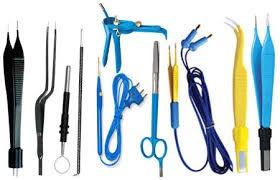
Surgical instruments are essential tools in hospitals, operation theatres, and specialised medical centres. These instruments are designed for specific medical procedures and must meet appropriate quality and safety requirements. Healthcare professionals depend on properly selected instruments to perform their responsibilities effectively.
Medical facilities may require scissors, forceps, clamps, surgical trays, dressing instruments, and other professional tools. Different medical departments have different requirements, so selecting the right products is important. A knowledgeable medical equipment supplier can guide customers towards instruments suitable for their intended applications.
Modern Medical Technology for Better Patient Care
Technology continues to improve the way healthcare facilities operate. Modern medical devices help professionals monitor patients, collect important information, and manage different clinical activities. Healthcare providers increasingly look for equipment that combines practical features with ease of operation.
Digital diagnostic devices, electronic monitoring systems, and modern examination equipment are examples of technology used in contemporary healthcare environments. When selecting these products, buyers should consider their intended use, compatibility, maintenance requirements, and available technical support. The right equipment can help healthcare teams manage their daily responsibilities more efficiently.
Medical Equipment Supplier for Clinics and Private Practices
Private clinics require dependable medical equipment to provide professional services to their patients. Unlike large hospitals, smaller medical practices may have limited space and specific purchasing requirements. They often need practical equipment that supports routine examinations without unnecessary complexity.
Basic examination beds, blood pressure monitors, weighing scales, stethoscopes, thermometers, and diagnostic instruments are common requirements for clinics. A reliable supplier can help clinic owners identify suitable products according to their available space and medical services. This makes it easier to establish a functional and organised examination environment.
Laboratory Equipment for Testing and Research Facilities
Medical laboratories depend on specialised equipment to perform different testing procedures and manage laboratory operations. These facilities require instruments that are appropriate for their testing methods and technical requirements. Selecting suitable laboratory equipment is important for maintaining organised workflows and supporting reliable testing processes.
Microscopes, centrifuges, laboratory refrigerators, testing instruments, and sample-handling equipment are commonly used in laboratory environments. Different laboratories may require additional specialised devices depending on their services. Before purchasing, laboratory managers should evaluate equipment specifications, calibration requirements, maintenance needs, and manufacturer guidance.
Important Factors When Selecting Medical Equipment
Purchasing medical equipment requires careful consideration because different products serve different purposes. Buyers should first identify the specific requirements of their healthcare facility. Understanding the intended application helps prevent unnecessary purchases and makes it easier to compare suitable products.
Product quality should also be a major consideration. Buyers should review manufacturer information, technical specifications, applicable regulatory requirements, and product documentation. Equipment should be appropriate for its intended medical use and comply with relevant safety standards.
Another important factor is after-sales assistance. Some medical devices require installation, maintenance, calibration, or technical support. Working with a supplier that can explain these requirements helps healthcare facilities plan their equipment purchases more effectively.
The Importance of Genuine Medical Equipment
Genuine medical equipment is an important consideration for hospitals, clinics, and diagnostic centres. Healthcare professionals need products with clear manufacturer information, proper documentation, and specifications that match their intended applications. Unverified products can create difficulties when facilities need replacement parts, technical support, or maintenance services.
Before purchasing any medical device, customers should confirm its manufacturer, model, warranty conditions, and applicable certifications. They should also check whether the equipment is suitable for the procedures in which it will be used. These steps help buyers make more informed decisions and establish better purchasing practices.
Medical Equipment for Emergency and Patient Monitoring
Emergency departments need equipment that supports the quick assessment and monitoring of patients. Medical professionals use different devices to observe vital signs and respond to changing patient conditions. Having appropriate equipment available is an important part of emergency healthcare preparation.
Patient monitors, oxygen-related equipment, suction devices, defibrillators, and emergency examination tools may be required depending on the facility and its services. Buyers should pay particular attention to product specifications, maintenance arrangements, staff training, and proper operating instructions when selecting emergency equipment.
How a Professional Supplier Supports Healthcare Businesses
A professional supplier does more than provide access to medical products. Good communication, product information, purchasing guidance, and reliable support can make a significant difference for healthcare organisations. Customers often need assistance understanding technical specifications and selecting products that match their operational requirements.
An experienced medical equipment supplier can help buyers compare different product options and understand their features. This support is useful for new hospitals, established clinics, private laboratories, and medical professionals who want to expand their services. Clear information also helps customers make purchasing decisions with greater confidence.
Medical Equipment Supply Solutions in Pakistan
Pakistan has a growing demand for medical equipment as hospitals, private clinics, laboratories, and healthcare organisations continue to develop their services. Medical facilities in major cities require access to different types of diagnostic instruments, surgical tools, patient monitoring devices, and laboratory equipment.
When searching for a medical equipment supplier in Pakistan, buyers should consider product availability, delivery arrangements, manufacturer details, and customer support. Healthcare providers in Lahore and other major cities can benefit from working with suppliers who understand local market requirements and offer suitable products for different medical environments.
Whether a customer needs individual diagnostic instruments or equipment for an entire healthcare facility, proper product selection remains essential. Comparing specifications and confirming the suitability of each device can help organisations make practical purchasing decisions.
Affordable Medical Equipment Without Compromising Quality
Healthcare facilities often work within specific purchasing budgets. However, affordability should not be the only factor when selecting medical equipment. Buyers should consider product quality, expected performance, maintenance requirements, and long-term usability before making a final decision.
A suitable purchasing approach focuses on finding equipment that meets professional requirements while remaining within the organisation's budget. Customers can compare different models, review product documentation, and discuss available options with suppliers. This helps them understand the overall value of a product rather than focusing only on its initial cost.
Building Long-Term Relationships with Medical Equipment Suppliers
Healthcare organisations often need medical equipment regularly. Their requirements may change as they introduce new services, expand departments, or upgrade existing facilities. Developing a professional relationship with a dependable supplier can make future purchasing more convenient.
Consistent communication and access to product information help customers understand available options. A supplier that responds to enquiries, explains technical details, and provides appropriate after-sales guidance can become a valuable business partner. Long-term cooperation can also help healthcare facilities manage their equipment requirements more systematically.
Find the Right Medical Equipment Supplier for Your Healthcare Needs
Finding the right medical equipment supplier is an important step towards establishing an efficient healthcare environment. From diagnostic instruments and laboratory devices to surgical tools and patient monitoring systems, every product should be selected according to its intended purpose and professional requirements.
Hospitals, clinics, laboratories, and healthcare businesses should prioritise product quality, genuine manufacturer information, suitable technical specifications, and dependable customer support. Taking time to evaluate these factors can help buyers select equipment that supports their daily operations.
If you are planning to purchase medical equipment for a hospital, clinic, laboratory, or private medical practice, choose a supplier that understands your requirements and provides clear product information. The right purchasing decision can support better organisation, efficient medical services, and a more dependable healthcare environment.

 English
 Arabic
 French
 Spanish
 Portuguese
 Deutsch
 Turkish
 Italiano
 Russian
 Romaian
 Portuguese (Brazil)
 Greek