
Can Smart Parking Systems Improve Revenue Collection?
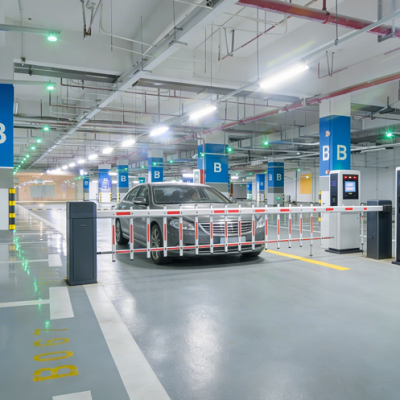
Smart parking systems are changing how businesses, commercial buildings, shopping malls, hotels, and public facilities manage parking operations. Traditional parking methods often depend on manual ticketing, cash payments, and staff supervision, which can create delays, payment errors, and missed revenue opportunities. Modern technology offers a more organized approach by automating important processes and improving visibility into parking activity.
For businesses operating in Saudi Arabia, efficient parking operations can directly influence customer satisfaction, operational costs, and revenue performance. Choosing the Best Parking Management Services Saudi Arabia can help organizations introduce smarter parking solutions that improve payment accuracy, reduce unauthorized access, and make parking facilities easier to manage. Smart systems provide businesses with better control over daily transactions while creating a convenient experience for drivers.
How Smart Parking Systems Improve Revenue Collection
Smart parking systems use technology to monitor parking activity, manage access, process payments, and record transactions. Unlike traditional parking arrangements, these systems reduce dependence on manual processes and provide a clearer overview of how parking spaces are being used.
Revenue collection becomes more efficient when every vehicle entering and leaving a parking facility is properly recorded. Automated entry gates, digital tickets, license plate recognition, and integrated payment solutions can work together to create a more reliable process.
For example, when a vehicle enters a parking facility, the system can register its arrival automatically. Upon departure, the parking duration is calculated, and the appropriate payment can be processed through an approved payment method. This reduces the chances of inaccurate billing and helps ensure that parking fees are collected consistently.
Smart parking technology also gives facility managers access to transaction records, making it easier to identify payment discrepancies and monitor daily revenue.
1. Automated Payments Reduce Revenue Leakage
One of the most important benefits of smart parking systems is their ability to minimize revenue leakage. Manual parking operations may experience problems such as incorrect ticket handling, unrecorded transactions, payment mistakes, or unauthorized exits.
Automated payment systems help address these challenges by recording transactions digitally. Each parking session can be linked to an entry record, exit record, and payment confirmation, making the entire process more transparent.
Digital payment options can include contactless payments, mobile applications, payment kiosks, and other approved electronic payment methods. These options allow drivers to pay conveniently without depending entirely on cash or manually operated payment counters.
Automated payments can benefit parking operators in several ways:
-
Reduce cash-handling errors.
-
Improve transaction accuracy.
-
Minimize unrecorded parking sessions.
-
Make payment verification easier.
-
Reduce opportunities for unauthorized fee avoidance.
When payments are recorded automatically, operators gain greater confidence in their revenue reports and can manage parking operations more effectively.
2. Real-Time Monitoring Helps Businesses Track Parking Revenue
Smart parking platforms provide real-time information about parking activity, occupancy levels, vehicle movements, and completed transactions. This information helps businesses understand how their facilities perform throughout the day.
Facility managers can monitor parking spaces, identify busy periods, and review the number of vehicles entering and leaving their properties. These insights can help them identify revenue patterns and make more informed operational decisions.
For instance, a shopping mall may experience high parking demand during weekends, holidays, or promotional events. A smart parking system can help management understand when demand increases and whether the facility is collecting payments efficiently during those periods.
Real-time monitoring also allows operators to identify unusual activity more quickly. If a particular entrance, payment station, or parking zone experiences irregular transactions, management can investigate and address the issue before it creates larger operational problems.
Accurate information makes revenue management more proactive rather than dependent on reviewing records at the end of the day.
3. License Plate Recognition Improves Payment Accuracy
Automatic license plate recognition technology can help parking facilities identify vehicles without relying entirely on paper tickets or manual entry procedures.
Cameras installed at parking entrances and exits capture vehicle registration information, allowing the system to associate a vehicle with its parking session. This can simplify access control and improve the accuracy of parking duration calculations.
When license plate recognition is integrated with payment systems, it can support smoother entry and exit procedures. Drivers may be able to pay through linked digital accounts, mobile applications, or designated payment channels, depending on the facility's configuration.
This technology can help reduce common issues, including:
-
Lost parking tickets.
-
Incorrect parking duration calculations.
-
Confusion during vehicle exits.
-
Unauthorized vehicle movements.
-
Manual recordkeeping mistakes.
Improved identification and transaction records can help parking operators maintain better control over revenue collection while reducing unnecessary delays.
4. Multiple Payment Options Encourage More Successful Transactions
A parking facility may lose potential revenue when its payment process is inconvenient or confusing. Drivers who experience long queues, limited payment options, or malfunctioning payment counters may become frustrated.
Smart parking systems can improve the payment experience by offering different payment methods. Depending on the system and local requirements, these may include contactless card payments, mobile payments, digital wallets, online payment portals, or automated payment kiosks.
Providing convenient payment options makes it easier for drivers to complete their parking transactions. It can also reduce congestion near payment stations, especially during busy periods.
Businesses in Saudi Arabia can benefit from payment systems that support the digital expectations of modern customers. A convenient and reliable payment experience can encourage better compliance with parking rules while supporting more efficient revenue collection.
The easier it is for customers to understand and complete the payment process, the less likely they are to encounter unnecessary difficulties.
5. Data Analytics Help Businesses Identify Revenue Opportunities
Smart parking systems do more than collect payments. They can also generate valuable operational data that businesses can use to improve parking performance.
Reports may provide information about:
-
Parking occupancy throughout the day.
-
Average parking duration.
-
Peak arrival and departure times.
-
Payment completion rates.
-
Frequent parking users.
-
Usage patterns across different parking zones.
-
Revenue performance across different periods.
This information helps facility managers understand how parking demand changes over time. For example, an office building may have high demand during weekday mornings, while a shopping mall may experience heavier traffic during evenings and weekends.
By understanding these patterns, businesses can adjust parking policies, improve staffing arrangements, introduce suitable access rules, and optimize the use of available parking spaces.
Data analytics can also help identify underused parking areas or spaces that experience consistently high demand. This may allow businesses to introduce more effective parking arrangements and improve overall facility utilization.
Better utilization can support stronger revenue performance without necessarily expanding the physical parking facility.
6. Smart Parking Systems Reduce Operational Costs
Improved revenue collection is not only about collecting more payments. It also involves reducing the costs associated with managing parking operations.
Traditional parking facilities may require substantial staff involvement in ticket distribution, payment handling, access control, monitoring, and customer assistance. Smart parking systems can automate many repetitive tasks, allowing employees to focus on more important operational responsibilities.
Automation can reduce administrative workload, improve transaction processing, and simplify daily reporting. It may also help businesses reduce maintenance issues associated with outdated parking equipment.
When operating costs are better controlled, a larger portion of collected parking revenue can contribute to the facility's financial performance.
Smart systems can also help maintenance teams identify equipment problems more quickly through alerts and monitoring features. This can reduce the impact of equipment downtime on parking operations and revenue collection.
7. Better Security and Accountability Protect Parking Revenue
Parking security is closely connected to revenue management. Unauthorized entry, unpaid parking sessions, incorrect access permissions, and poorly monitored exits can create financial losses.
Smart parking systems can combine access control, surveillance cameras, automated barriers, and digital transaction records to improve accountability.
Every vehicle movement can be recorded according to the system's configuration. These records can help operators investigate disputes, identify irregular activity, and verify parking transactions.
Access control features can also help businesses manage reserved parking spaces, employee parking, visitor access, and permit-based parking arrangements. This ensures that parking spaces are used according to established policies.
A secure and well-monitored parking facility can reduce operational risks while supporting more consistent revenue collection.
What Businesses Should Consider When Choosing a Smart Parking System
Although smart parking technology offers many advantages, selecting the right solution is essential for achieving meaningful results. Businesses should consider their parking capacity, traffic volume, operational requirements, and customer expectations before implementing a system.
A suitable parking management solution should provide:
-
Reliable automated entry and exit management.
-
Accurate transaction recording.
-
Convenient digital payment options.
-
Real-time parking occupancy information.
-
Easy-to-understand reporting and analytics.
-
Secure access control.
-
Integration with existing infrastructure where appropriate.
-
Technical support and maintenance services.
The system should also be scalable. A facility experiencing business growth may need additional parking spaces, payment stations, access points, or software features in the future.
Choosing a flexible solution allows businesses to adapt their parking operations as demand changes without completely replacing their existing infrastructure.
Conclusion
Smart parking systems can significantly improve revenue collection by making parking operations more accurate, transparent, secure, and efficient. Automated payments, real-time monitoring, license plate recognition, digital transaction records, and data analytics help businesses reduce revenue leakage while improving the customer experience.
For commercial properties, shopping malls, office buildings, hotels, and other facilities across Saudi Arabia, modern parking technology can provide better control over daily operations and support long-term financial performance.
When businesses combine reliable technology with professional parking management, they can create a parking environment that benefits both facility operators and visitors. Smart parking is not simply about automating vehicle entry and exit; it is about building a more efficient system that supports better revenue collection, improved service quality, and sustainable business growth.
Frequently Asked Questions
1. Can smart parking systems increase parking revenue?
Yes. Smart parking systems can improve revenue by automating payment collection, reducing unrecorded transactions, preventing unauthorized parking, and improving payment accuracy. They also provide reports that help businesses identify revenue opportunities.
2. How do smart parking systems prevent revenue leakage?
They use automated ticketing, vehicle identification, access control, digital payments, and transaction monitoring. These features reduce manual errors and make it easier to identify unpaid parking sessions.
3. Do smart parking systems support digital payments?
Yes. Many modern parking systems support digital payment options, including contactless cards, mobile payments, digital wallets, and automated payment kiosks, depending on the system and facility requirements.
4. Can smart parking technology reduce operational costs?
Yes. Automation reduces the need for manual ticketing, payment processing, and repetitive administrative tasks. It can also improve maintenance planning and reduce operational inefficiencies.
5. Are smart parking systems suitable for shopping malls and commercial buildings?
Absolutely. Shopping malls, office buildings, hotels, residential communities, and other commercial facilities can benefit from automated access control, occupancy monitoring, digital payments, and parking analytics.
6. What features should businesses look for in a smart parking system?
Businesses should prioritize automated entry and exit management, accurate payment processing, digital payment options, real-time monitoring, reporting tools, security features, scalability, and reliable technical support.

 English
 Arabic
 French
 Spanish
 Portuguese
 Deutsch
 Turkish
 Dutch
 Italiano
 Russian
 Portuguese (Brazil)
 Greek