
DS 18 Speakers: Exploring High-Output Sound and Detailed In-Car Audio Performance
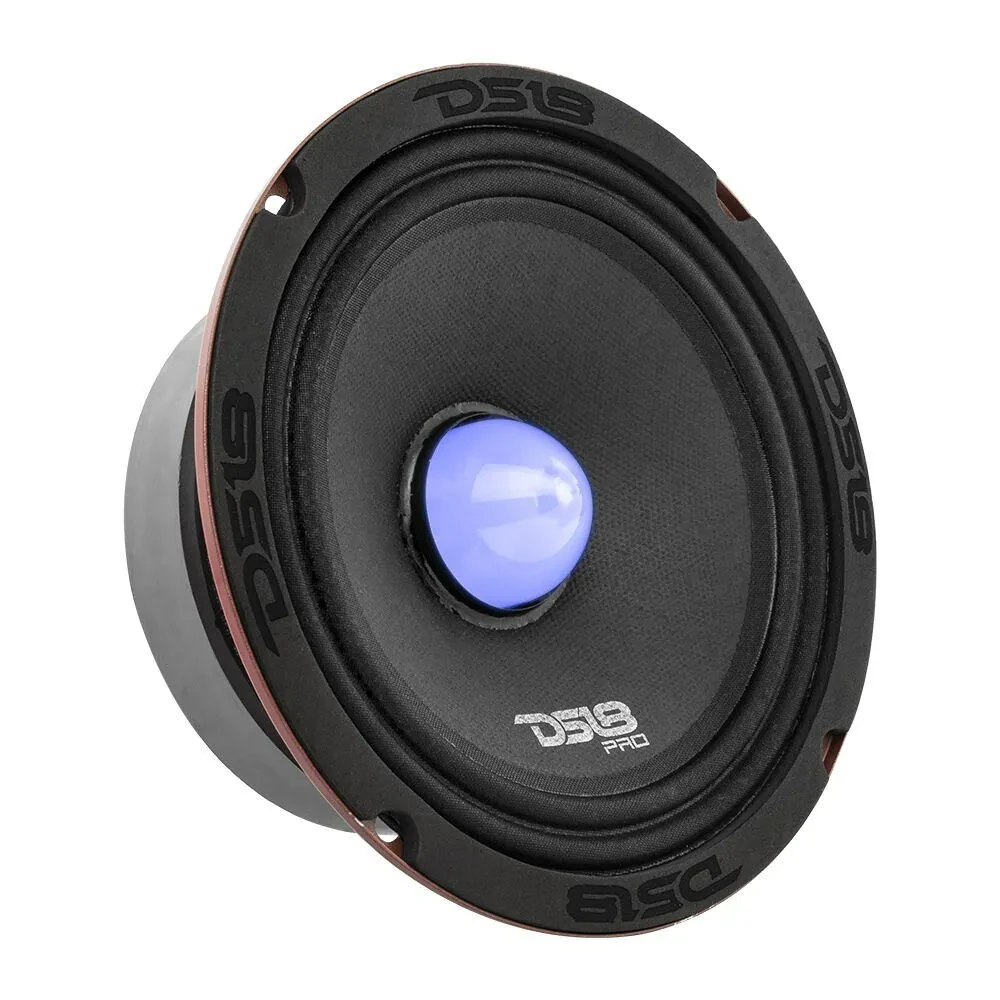
A vehicle's sound system can change the entire atmosphere of a drive. Music becomes more engaging when vocals sound natural, instruments remain distinct, and bass carries enough impact to complement the recording. However, achieving this level of performance requires more than turning up the volume. The speakers must handle the audio signal efficiently, work with suitable amplification, and operate within an installation that supports their acoustic capabilities.
Automotive audio enthusiasts often look beyond factory equipment when they want greater output and more control over sound quality. A carefully planned upgrade can improve musical presence, strengthen midrange reproduction, and create a more immersive listening environment. Understanding speaker construction, electrical requirements, and system integration makes it easier to build an arrangement that delivers impressive performance without sacrificing clarity.
How Speaker Technology Shapes the Listening Experience
A speaker transforms electrical signals into sound through the movement of its diaphragm. Although this process appears straightforward, several mechanical and electrical components determine how accurately the driver reproduces music.
The cone moves in response to the voice coil, which operates within a magnetic field. The suspension system keeps the moving assembly properly aligned, while the surrounding materials influence durability and response characteristics. Each component must perform consistently to produce controlled sound across different listening levels.
Cone construction is particularly important. Lightweight materials can respond efficiently to changing audio signals, while suitable stiffness helps maintain control during movement. The voice coil also plays a significant role because it handles electrical energy and contributes to the driver's thermal capabilities.
These design elements affect how a speaker responds to demanding music, particularly recordings containing strong percussion, detailed vocals, and changing musical dynamics. Looking beyond appearance and advertised wattage helps identify equipment that suits a particular audio application.
Choosing Equipment for a More Dynamic Cabin
DS18 automotive sound speakers provide an option for enthusiasts interested in building systems with stronger projection and a more customized listening character. Different models and configurations serve different purposes, so the selection process should begin with the desired result rather than a single specification.
A driver who enjoys vocal-heavy music may prioritize midrange definition and balanced frequency reproduction. Someone building a louder system may place greater importance on sensitivity, power handling, and amplifier compatibility. Both approaches require equipment that fits the vehicle and works effectively with the other components.
Speaker dimensions also deserve attention. A 6.5-inch model may suit many common door installations, while larger formats can require different mounting arrangements. Before purchasing, check the factory opening, mounting depth, grille clearance, and available wiring connections.
The most suitable option is one that meets the installation requirements while supporting the desired sound profile. This prevents compatibility issues and makes the upgrade process more predictable.
Matching Different Drivers to Their Musical Responsibilities
A complete car audio system benefits from assigning different frequency ranges to components designed to reproduce them. This arrangement can improve control and reduce unnecessary strain on individual speakers.
A midrange driver handles much of the information that gives voices and instruments their recognizable character. Its performance influences whether singers sound present and whether guitars, keyboards, and other instruments remain distinguishable.
Tweeters reproduce higher-frequency information. They add definition to cymbals, string details, and other sounds that contribute brightness to music. Their placement can influence the perceived height and width of the soundstage.
Subwoofers handle deeper frequencies that smaller door-mounted drivers may not reproduce effectively at higher output levels. Moving this workload to a dedicated bass driver can allow the main speakers to concentrate on their intended frequency range.
The crossover network connects these responsibilities. It directs selected frequencies to the appropriate drivers, helping prevent unnecessary overlap and improving the relationship between components.
Sensitivity, Impedance, and Power: Specifications Worth Understanding
Technical specifications help determine whether a speaker will work effectively within a particular installation. Three measurements deserve close attention before making a purchase.
Sensitivity describes how efficiently a speaker converts amplifier power into acoustic output. A higher sensitivity rating generally allows a driver to produce more sound pressure from the same amount of power under comparable testing conditions.
Impedance represents the electrical load presented to the amplifier. Many automotive speakers use a 4-ohm rating, although specifications vary between models. The amplifier must support the connected impedance to operate safely and reliably.
RMS power handling indicates the speaker's continuous power capability under specified conditions. It is more useful for system matching than a maximum or peak wattage figure, which does not describe sustained operation.
These specifications should be evaluated together. A speaker with high sensitivity may produce substantial output without requiring an extremely powerful amplifier, while an appropriate impedance and RMS rating help establish electrical compatibility.
Getting Better Results From Amplifier Configuration
Amplifier selection influences both output capability and sound quality. An unsuitable amplifier can limit performance, while incorrect adjustment may introduce distortion even when the equipment is technically compatible.
Start by comparing the amplifier's continuous output with the speaker's RMS rating at the correct impedance. This provides a practical foundation for selecting equipment that can deliver clean power.
Gain adjustment should receive particular attention. The gain control matches the amplifier's input sensitivity to the signal supplied by the head unit. Increasing it excessively does not create additional clean power; it can push the amplifier into clipping.
Crossover settings should also reflect the capabilities of the connected drivers. Sending deep bass frequencies to a speaker that cannot handle them efficiently may increase cone movement and reduce clarity. Appropriate filtering helps each component operate within a more suitable range.
For systems with multiple amplifiers, careful channel assignment and signal-level matching are equally important. Consistent configuration helps maintain balance between the front speakers, rear speakers, and subwoofer.
Why Vehicle Acoustics Deserve More Attention
A car interior is a challenging listening environment. Windows, seats, dashboards, door panels, and other surfaces reflect or absorb sound differently. As a result, speakers that perform well in one vehicle may produce a different acoustic result in another.
Door construction is especially important because speakers mounted in these panels interact with the surrounding metal and interior trim. Loose panels can vibrate and create noises that interfere with music. Suitable mounting adapters and sound-deadening materials can help reduce these unwanted effects.
Speaker direction also influences the listening experience. Tweeters positioned at different heights or angles can change how high-frequency information reaches the driver and passengers. Experimenting with placement, where the vehicle allows it, can help improve imaging.
Digital signal processing offers another way to refine the cabin response. Equalization, time alignment, and crossover adjustments can compensate for certain acoustic challenges and create a more cohesive presentation.
Planning an Upgrade Without Unnecessary Spending
A successful audio project does not always require replacing every component at once. A staged approach can make the investment easier to manage while allowing each improvement to be evaluated.
Begin by identifying the weakest part of the existing system. If vocals lack definition, replacing the main speakers may be a sensible starting point. If the system already sounds clear but lacks depth, a dedicated subwoofer could provide a more noticeable improvement.
Next, confirm that the vehicle's electrical system can support the planned equipment. Higher-powered installations may require suitable wiring, secure grounding, and adequate charging capacity.
It is also important to account for installation expenses. Mounting adapters, wiring harnesses, crossover components, and sound treatment can affect the total project cost. Planning for these requirements in advance helps prevent unexpected complications.
Maintaining Consistent Performance After Installation
Once the system is operating, regular checks can help identify problems before they affect other equipment. Pay attention to unusual noises, changes in output, or distortion that appears at certain volume levels.
Inspect mounting points to ensure that vibration has not loosened hardware. Check electrical connections for secure contact and examine wiring for damage or exposed sections. Amplifiers should have sufficient ventilation, particularly when used for extended listening sessions.
Avoid operating the system beyond its intended limits. Persistent clipping, excessive bass boost, and prolonged high-volume playback can place unnecessary stress on speakers and amplifiers. Proper tuning and sensible listening levels support more dependable operation.
Bringing Power and Precision Together on the Road
High-output car audio performance comes from a combination of capable drivers, compatible amplification, thoughtful installation, and accurate system tuning. Each decision influences the final result, from the speaker's construction to the way sound travels through the vehicle's interior.
Rather than focusing entirely on loudness, consider how well the system handles vocals, instruments, bass, and detailed musical passages. A balanced arrangement can deliver strong projection while preserving the character of the original recording. With suitable components and careful configuration, an automotive upgrade can provide a more engaging and enjoyable listening experience on every journey.

 English
 Arabic
 French
 Spanish
 Portuguese
 Deutsch
 Turkish
 Dutch
 Italiano
 Russian
 Romaian
 Portuguese (Brazil)