
CRM Features That Help Capital Markets Teams Manage Institutional Relationships
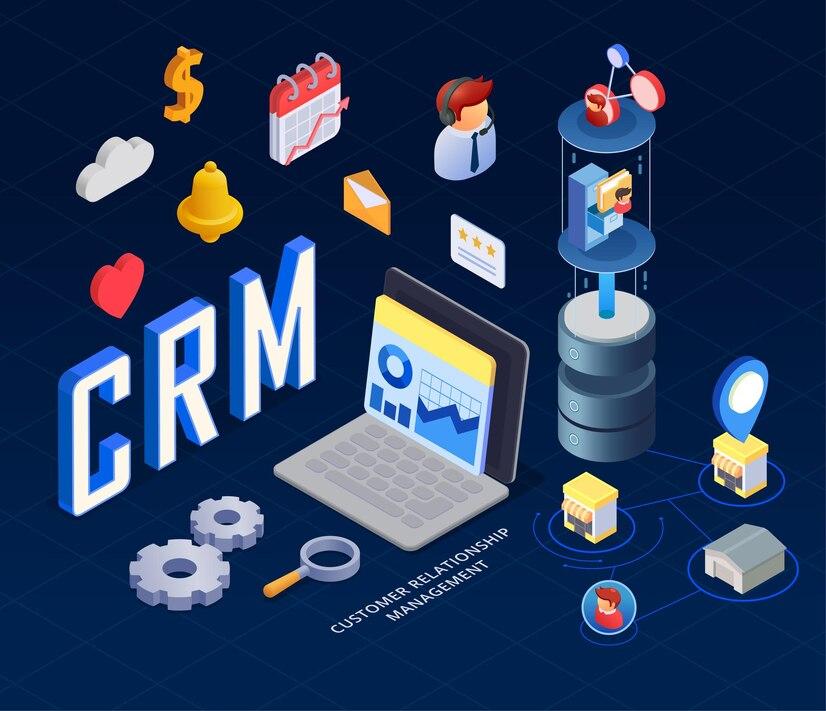
Managing institutional relationships in capital markets involves more than keeping contact details up to date. Investment banks, asset managers, broker-dealers, and financial institutions interact with multiple stakeholders across different business lines. A single institutional client may have relationships with several bankers, investment professionals, and senior executives.
When information is scattered across spreadsheets, emails, and separate databases, teams can struggle to understand the complete relationship. This is where the right CRM features become important. A well-designed CRM helps financial professionals organize client information, track interactions, identify business opportunities, and maintain better visibility across accounts.
However, not every CRM offers the capabilities needed for institutional relationship management. Understanding which features matter can help firms choose a platform that supports their actual workflows.
Why Capital Markets Teams Need Specialized CRM Features
Institutional relationships often involve long sales cycles, multiple decision-makers, and ongoing communication. Relationship managers need to know who has spoken with a client, what was discussed, which opportunities are active, and what actions are pending.
A general-purpose contact management system may not provide enough context for these activities.
The most useful capital markets crm features connect contacts, organizations, relationship histories, and business opportunities. This gives teams a shared view of institutional accounts rather than leaving important information with individual employees.
For example, before approaching an institutional investor, a banker should be able to review previous conversations, existing relationships, and relevant business development activities. Having this context can make client interactions more informed and consistent.
Essential CRM Features for Institutional Client Management
The requirements of every financial institution are different, but several capabilities are particularly valuable when managing institutional relationships.
1. Relationship Mapping
Institutional accounts rarely involve just one contact. A firm may interact with portfolio managers, analysts, investment officers, executives, and other decision-makers within the same organization.
Relationship mapping helps teams understand how these individuals are connected. It can also reveal existing connections between employees and potential clients, making it easier to identify opportunities for introductions.
2. Centralized Client Information
A CRM should provide a complete view of each institutional account.
This includes contact details, company information, communication history, meeting notes, business interests, and relevant opportunities. Having these records together reduces the time spent searching through different systems.
These are important crm features for managing institutional client relationships because they help teams maintain continuity even when account responsibilities change.
3. Interaction and Activity Tracking
Investment professionals have frequent meetings, calls, and email conversations. Without proper documentation, important details can get lost.
Activity tracking allows employees to record interactions and associate them with the relevant contacts, accounts, or opportunities.
It also helps relationship managers prepare for meetings by reviewing previous discussions and understanding what has already been communicated.
4. Opportunity and Pipeline Management
Capital markets teams need visibility into potential mandates, transactions, and business development opportunities.
A CRM should allow users to create opportunities, assign ownership, define stages, and monitor progress. Managers can then identify stalled opportunities and understand where additional attention may be required.
5. Reporting and Custom Dashboards
Reporting helps management understand relationship coverage, pipeline activity, and team performance.
Custom dashboards can present information such as active opportunities, recent client interactions, upcoming meetings, and business development progress.
The goal is to make relevant information available without requiring employees to prepare separate reports manually.
What Should an Investment Banking CRM Offer?
A common question during software evaluation is: what features should a investment banking crm software have?
Beyond standard contact management, investment banking teams should look for relationship intelligence, deal tracking, activity management, customizable workflows, reporting, and secure information access.
These capabilities help bankers manage complex relationships while maintaining visibility into potential transactions.
The same considerations apply when evaluating crm software for capital markets. The system should support institutional workflows instead of forcing teams to adapt to a conventional sales process.
How CRM Tools Improve Collaboration
Institutional relationships often involve several departments. An investment banker may work alongside research analysts, sales professionals, corporate access teams, and senior management.
When these teams operate with separate information, coordination becomes difficult.
Using shared crm tools for capital markets allows authorized employees to access consistent client records and relevant interaction histories. This reduces duplicate outreach and makes internal handoffs easier.
For example, when a relationship manager moves to another account, the next team member can review previous activities rather than depending entirely on informal updates.
Features That Matter for Investment Managers
Investment managers have slightly different relationship management requirements. Their teams may need to manage institutional investors, consultants, distribution partners, and other stakeholders over extended periods.
A crm for investment managers should make it easier to organize investor information, record meetings, monitor engagement, and track fundraising or business development opportunities.
It should also support account segmentation so that teams can organize relationships according to investor type, geography, investment interests, or other relevant criteria.
Creating a Practical CRM Checklist
Before selecting a platform, firms should identify their operational requirements. A useful crm checklist investment firms can include the following considerations:
-
Centralized contact and account management
-
Relationship mapping and hierarchy tracking
-
Email and calendar integration
-
Meeting and communication history
-
Deal and opportunity tracking
-
Customizable workflows
-
Reporting and dashboard capabilities
-
Document management
-
Role-based access controls
-
Data security and audit trails
Rather than selecting a CRM based on the number of available features, firms should evaluate how well these capabilities support their everyday activities.
Getting More Value From CRM Data
Having a CRM is only part of the process. Teams also need to understand how to use the information they collect.
For example, managers can review accounts with limited recent engagement, identify opportunities that have remained inactive, or examine which client segments generate the most business development activity.
These investment crm insights can support better account planning and help teams decide where to focus their attention.
Data quality is equally important. Incomplete records, duplicate contacts, and inconsistent updates can affect reporting accuracy. Establishing clear guidelines for maintaining CRM information helps ensure that the system remains useful over time.
Choosing the Right CRM for Capital Markets
The right crm for capital markets should reflect the firm's size, business model, and relationship management requirements.
A boutique investment bank may prioritize relationship mapping and opportunity tracking, while a larger financial institution may need more advanced permissions, integrations, and reporting across multiple business units.
Firms should also consider user adoption. Even a feature-rich platform will have limited value if employees find it difficult to use. During product demonstrations, teams should test everyday activities such as searching for a client, reviewing interaction history, updating an opportunity, and generating a report.
A suitable platform should make these tasks straightforward while fitting into existing business processes.
Conclusion
Choosing a CRM for institutional relationship management is not simply about comparing software features. It is about understanding how financial professionals work, what information they need, and how teams can collaborate more effectively.
The right combination of relationship mapping, centralized client information, activity tracking, pipeline management, and reporting can help capital markets firms maintain stronger institutional relationships and improve business visibility.
For financial organizations evaluating CRM capabilities for institutional client management, contact InsightCRM to explore a solution aligned with their business requirements.

 English
 Arabic
 French
 Portuguese
 Deutsch
 Turkish
 Dutch
 Italiano
 Russian
 Romaian
 Portuguese (Brazil)
 Greek