
Mgirl OEM Makeup Cosmetics Supplier: Shade Matching Notes
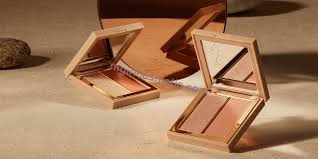
Walk past the sample tables at a beauty trade fair and you will see buyers doing the same few things with a swatch card: dragging a fingertip through a pressed shade, sniffing a lipstick bullet and, if nobody is watching, tapping a mascara tube against a palm to hear whether anything rattles inside. Those gestures amount to a spec sheet read by hand, and they make a fair starting point for anyone sizing up an OEM Makeup Cosmetics Supplier, because the terms that matter in a quotation are the ones that decide whether the hand tests come out the same on the final unit of a long run as they did on the pilot piece.
Colour is what people raise first and what is tricky to pin down, because a stroke on paper, a stroke on skin and a pan photographed under shop lighting all look different from one another. Ask what reference the match will be judged against, whether a physical piece, a colour code or a colour chip, and under which light the judging happens. I keep a white card and a neutral daylight lamp on my desk for this, and I have watched a tone that agreed with the reference under the lamp slide toward orange beneath a warm bulb, which is a viewing quirk and nobody's mistake.
After that, the figures worth asking for depend on what is being made, and a generic set of claims says very little here. A pressed eyeshadow comes down to how firmly the cake is compacted, since a loose one dusts away at a gentle knock while an overly hard one refuses to pick up on a brush. A lipstick is largely a balance of waxes and oils that decides how it glides and how soon it softens in a warm bag, and mascara depends on the thickness of the formula and how the wand meets the wiper in the tube neck. Foundation raises questions about finish and coverage, which are hard to describe in writing and simple to demonstrate on a forearm.
The sample set on my desk this month came from Mgirl, a manufacturer that does OEM and ODM work on eyeshadow, lipstick, mascara, foundation and cosmetic sets and offers customization, and handling the actual pieces showed me how much sits behind that word, since one base formula can be offered in several shades, fills and cases and each of those becomes its own entry on a quotation.
Find out how the approval stage works, who pays for each round of adjustment, how many rounds are usual, and whether the signed-off version is kept on file so a production run can be compared against it. Minimum order quantity belongs on the same page, because a figure that sounds small may apply per shade, per fill size or per case design, and a buyer who wants a wide range of tints can end up far above the number they had in mind.
Fill amount is easy to overlook, since a deep tin can make a pan look generous while holding a modest amount of product, and I weigh a filled unit against the declared net content on a kitchen scale whenever a spare turns up, a habit that has occasionally turned a casual glance into a polite email.
Packaging deserves attention because it is where formula and hardware meet. A pan that is slightly too large for its tin rattles, a bullet that stands a little tall catches on the lip of the cap, and a wand with bristles oversize for the tube neck leaves a clump on the wiper. I screw caps on and off, press lids shut and listen for a clean click, and I tip filled containers upside down on a tissue for a while to see whether anything weeps at the thread.
Paperwork is dull yet decides a surprising amount, so get an ingredient list in writing for every product, since labelling rules differ between destination markets and whoever fills in the import forms needs the exact names. Find out whether each batch carries a code that traces back to its own record, and what stability and compatibility testing has been run on the mixture inside its real container, because a blend that behaves in a glass jar can react with plastic.
The way questions get answered tells me a good deal as well: a direct reply with a photograph of the actual product is a good sign, whereas a catalogue page sent in response to a detailed question leaves me wondering who is reading the thread.
Before an order goes anywhere I copy these points onto a single sheet with a blank line under each for the reply, which gives me something concrete to hold an OEM Makeup Cosmetics Supplier to once the quotation arrives. The listings at https://www.mgirlcosmetic.com/product/ name the product categories made there, though they say nothing about how snugly a lid closes over its tin, so that detail stays on my checklist. The sheet on my desk right now has a coffee ring on one corner and a pencil note beside the line about closures that reads "listen for the click."

 English
 French
 Spanish
 Portuguese
 Deutsch
 Turkish
 Dutch
 Italiano
 Russian
 Romaian
 Portuguese (Brazil)
 Greek