
What Causes Skin Pigmentation in Dubai?
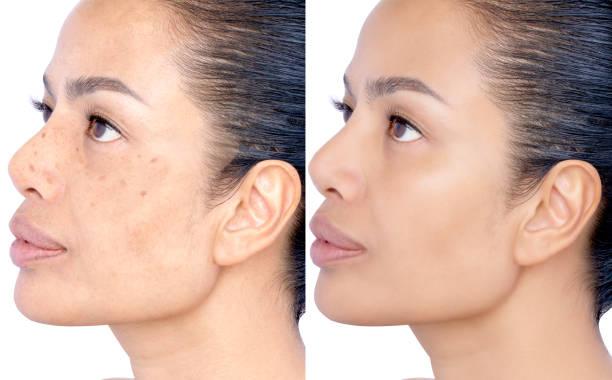
Skin pigmentation in Dubai is a common concern for people experiencing dark spots, uneven skin tone, and changes in their natural complexion. Environmental factors, frequent sun exposure, hormonal fluctuations, and previous skin inflammation can contribute to these changes. Understanding what causes pigmentation is an important step towards choosing suitable skincare and treatment options.
Dubai's sunny climate can expose the skin to significant ultraviolet radiation throughout the year. Without adequate sun protection, excess melanin production may lead to visible discoloration, particularly on areas such as the face, forehead, cheeks, and hands.
Understanding Skin Pigmentation
Skin pigmentation refers to the natural coloring of the skin, which is mainly determined by a pigment called melanin. Melanin is produced by specialized skin cells known as melanocytes and helps protect the skin against ultraviolet radiation.
However, when melanin production becomes uneven or excessive in certain areas, dark patches and spots can develop. This condition is commonly known as hyperpigmentation.
Some pigmentation concerns appear gradually, while others develop following acne, inflammation, hormonal changes, or excessive sun exposure.
Common Causes of Skin Pigmentation in Dubai
Excessive Sun Exposure
Sun exposure is one of the leading factors behind pigmentation concerns. Ultraviolet rays stimulate melanin production, which can cause dark spots, sunspots, and uneven complexion.
Because Dubai experiences strong sunlight for much of the year, regular outdoor activities without proper sun protection may increase the likelihood of developing pigmentation.
Hormonal Changes
Hormonal fluctuations can influence melanin production and contribute to a condition called melasma. It commonly appears as brown or greyish patches across the cheeks, forehead, upper lip, and other facial areas.
Pregnancy, hormonal medications, and certain hormonal changes can contribute to its development.
Acne Marks and Skin Inflammation
Acne breakouts can sometimes leave dark marks even after the inflammation has disappeared. This is known as post-inflammatory hyperpigmentation.
Picking pimples, irritating the skin, or using unsuitable skincare products may increase inflammation and make these marks more noticeable.
Age-Related Skin Changes
As skin ages, years of sun exposure and natural changes in skin function can contribute to the development of age spots. These areas usually appear on frequently exposed parts of the body, including the face, hands, and shoulders.
Different Types of Skin Pigmentation
Melasma
Melasma usually appears as symmetrical brown or grey-brown patches, particularly across the cheeks and forehead. Sun exposure and hormonal influences are common contributing factors.
Sunspots
Sunspots are small, flat, darker areas that develop following prolonged exposure to ultraviolet radiation. They are commonly found on the face, arms, and hands.
Post-Inflammatory Hyperpigmentation
This type of discoloration develops after skin inflammation or injury. Acne, eczema, and certain cosmetic procedures can sometimes leave temporary or persistent dark marks.
How Can You Prevent Skin Pigmentation?
Preventing excessive pigmentation starts with maintaining a consistent skincare routine. Daily sunscreen use is particularly important in Dubai because ultraviolet exposure can contribute to existing discoloration and encourage new dark spots.
Choose a broad-spectrum sunscreen with SPF 30 or higher and reapply it regularly, especially when spending extended periods outdoors. Wearing protective clothing, sunglasses, and hats can provide additional protection.
Gentle cleansing and moisturizing also help maintain the skin barrier. Ingredients such as niacinamide, vitamin C, and azelaic acid may help improve the appearance of uneven skin tone when appropriately selected for individual skin needs.
Avoid harsh exfoliation and aggressive skincare routines, as irritation can sometimes make pigmentation more noticeable.
When Should You Consider Professional Skin Treatment?
If dark patches continue to develop, become more noticeable, or do not improve with regular skincare, a professional skin assessment may help identify their underlying cause.
Depending on the pigmentation type, suitable options may include chemical peels, laser-based procedures, or topical skincare treatments. The appropriate approach depends on skin tone, sensitivity, pigmentation depth, and individual concerns.
Not every pigmentation concern responds to the same treatment. A personalized approach is important, particularly for melasma and darker skin tones, where certain procedures may increase the risk of additional discoloration.
Final Thoughts
Understanding the causes of skin pigmentation in Dubai can help you make better decisions about protecting and maintaining your complexion. Sun exposure, hormonal changes, acne marks, and natural skin aging can all contribute to uneven skin tone. Consistent sun protection and suitable skincare are important parts of managing these concerns. For individuals exploring personalized pigmentation care and modern skin treatment options, TAJMEELS CLINIC offers an opportunity to learn more about approaches suited to different skin concerns and individual needs.
For More Details, Contact Us Through:
WhatsApp: +971 56 203 8751
Phone: +971 4 373 9000
Social Media:

 English
 Arabic
 French
 Spanish
 Portuguese
 Deutsch
 Turkish
 Italiano
 Russian
 Romaian
 Portuguese (Brazil)
 Greek