
The Future of Conversational Advertising: Will Customers Interact with Ads?
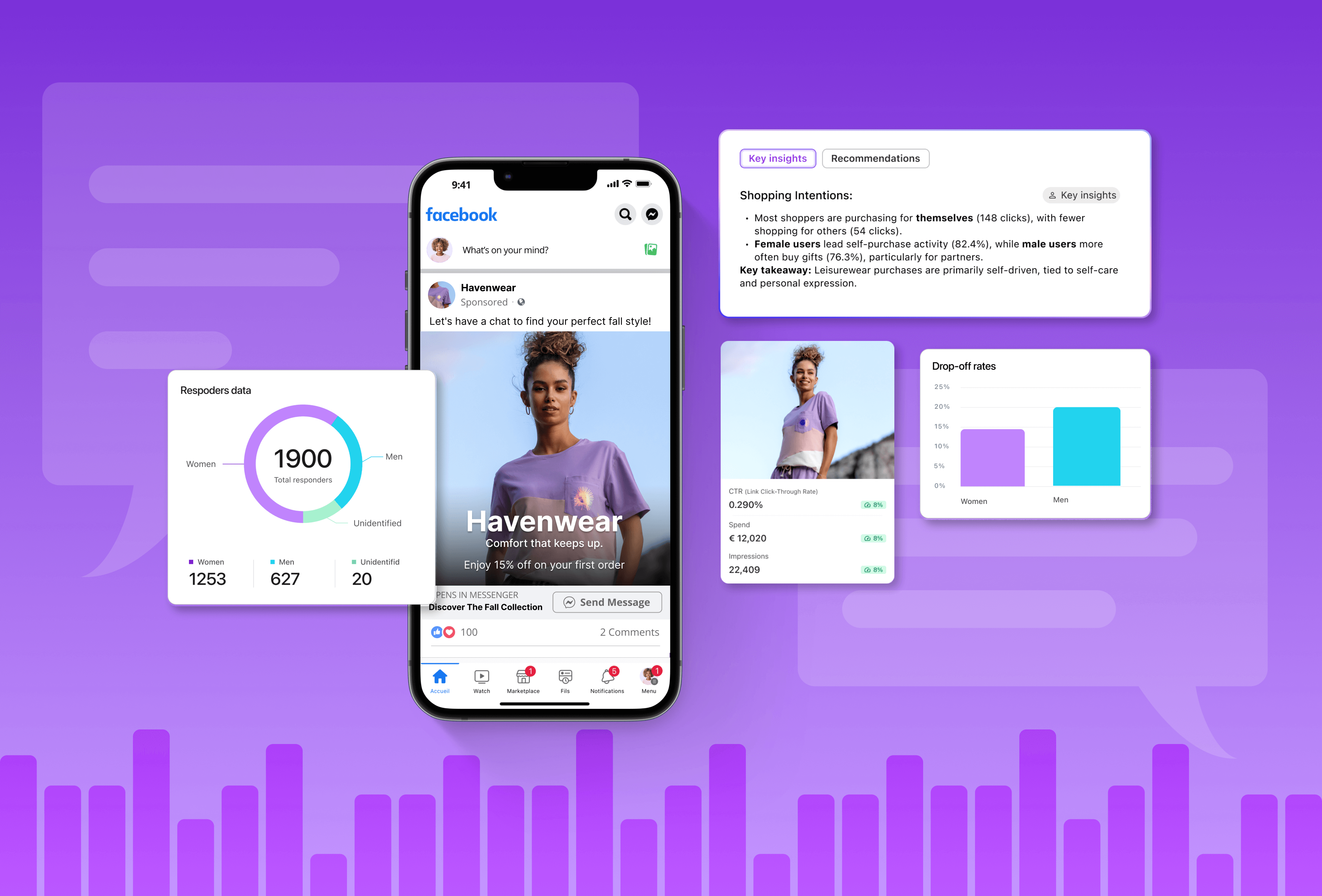
Digital advertising has changed significantly over the years. Businesses once relied on traditional advertisements that delivered promotional messages to large audiences without expecting an immediate response. Today, customers want more than attractive visuals and promotional offers. They expect brands to understand their needs, answer their questions, and provide useful information before making a purchase decision. This shift is creating new opportunities for conversational advertising, where advertisements become interactive experiences rather than one-way promotional messages. As businesses explore these opportunities, working with the best digital marketing agency in Karachi can help them develop effective strategies that encourage meaningful customer interactions.
What Is Conversational Advertising?
Conversational advertising is a digital marketing approach that allows customers to communicate directly with brands through advertisements. Instead of simply viewing an advertisement and clicking a traditional link, users can ask questions, explore products, request recommendations, and receive immediate responses.
These interactions can happen through AI-powered chatbots, messaging applications, social media platforms, and interactive advertising formats. For example, someone viewing an advertisement for a clothing brand might ask about available sizes, delivery charges, fabric quality, or return policies without leaving the advertisement experience.
The main purpose is to make advertising more useful and engaging. Customers receive relevant information while businesses gain opportunities to understand customer interests and guide potential buyers toward purchasing decisions.
Unlike traditional advertising, conversational advertising encourages two-way communication. This makes the overall customer experience more personal and creates opportunities for brands to build stronger relationships with their audiences.
Why Traditional Advertising Is Changing
Traditional advertising has always focused on capturing attention through promotional messages, attractive images, videos, and offers. Although these methods remain important, modern customers have become more selective about the advertisements they interact with.
People regularly encounter sponsored posts, display advertisements, promotional emails, and video campaigns across different digital platforms. As a result, generic advertisements can easily become part of the background noise.
Customers increasingly expect advertisements to provide something valuable. They want to understand how a product works, whether it solves their problems, and why they should choose one brand over another.
Conversational advertising addresses these expectations by allowing people to participate in the advertising experience. Instead of forcing customers to search through multiple website pages, brands can provide relevant answers through direct conversations.
This approach also gives businesses an opportunity to identify customer concerns and improve their marketing messages based on actual interactions.
How AI Is Making Advertisements More Interactive
Artificial intelligence is playing an important role in the development of conversational advertising. AI-powered systems can understand customer questions, identify their interests, and provide responses based on available information.
Modern chatbots can handle common questions about products, pricing, availability, delivery, and services. They can also guide customers through different stages of the buying journey.
For example, an electronics retailer could display an advertisement promoting its latest smartphones. When customers interact with the advertisement, an AI assistant could ask whether they are interested in camera quality, battery performance, storage, or price.
Based on their answers, the system could recommend suitable products and provide additional information.
AI also makes these conversations more scalable. Businesses can respond to multiple customers simultaneously without requiring a human representative for every basic question.
However, AI should support customer service rather than replace human interaction completely. Complicated questions, complaints, and sensitive situations may still require assistance from trained employees.
The Growing Role of Chatbots in Digital Advertising
Chatbots are becoming an important part of digital marketing because they allow businesses to communicate with potential customers at different stages of the buying journey.
A chatbot can introduce a product, explain its features, answer frequently asked questions, and help users find the information they need. This reduces the effort customers must make before deciding whether a product is suitable for them.
Social media platforms provide particularly useful opportunities for chatbot-based advertising. Businesses can connect advertisements with messaging experiences, allowing users to move directly from discovering a product to discussing it with a brand.
For example, a restaurant could promote a special dinner offer through an interactive advertisement. Interested customers could ask about the menu, available timings, prices, and reservation options through a messaging conversation.
Similarly, an online fashion store could use automated conversations to help customers explore different collections and understand product specifications.
These experiences make advertisements more practical because customers can take the next step without navigating through several different pages.
Personalized Advertising Will Become More Important
Personalization is another major factor shaping the future of conversational advertising. Customers are more likely to engage with brands when the information they receive matches their interests and requirements.
Traditional advertisements often deliver the same message to everyone, regardless of individual preferences. Conversational advertising makes it possible to adjust communication based on customer responses.
For example, a fitness brand may attract customers with different goals. Some people might be interested in weight training, while others may prefer running, yoga, or general fitness.
Through interactive conversations, the brand can understand what each customer is looking for and recommend relevant products or services.
Personalization can also improve advertising campaigns by helping businesses understand which products attract the most attention and what questions customers frequently ask.
However, collecting and using customer information requires responsible data practices. Businesses should be transparent about data collection, obtain appropriate consent, and respect customer privacy.
Social Media Will Become a Major Channel for Conversational Ads
Social media platforms have already transformed how customers discover and interact with businesses. Platforms such as Facebook, Instagram, TikTok, and WhatsApp allow brands to communicate with audiences through different content formats and messaging features.
Conversational advertising can make these interactions more valuable by connecting promotional content with direct communication.
For example, an Instagram advertisement could encourage users to send a message to learn more about a product. Once the conversation begins, a business can provide product details, share available options, and answer questions.
WhatsApp also offers opportunities for businesses to communicate with customers through familiar messaging experiences. Companies can use suitable messaging and automation tools to share product information, respond to inquiries, and provide customer support.
This approach is particularly useful for businesses that depend on direct customer communication before completing a sale.
As social platforms continue developing advertising and messaging features, brands will have more opportunities to create connected customer experiences.
Voice-Based Conversational Advertising Could Grow
Voice technology may introduce another direction for interactive advertising. Smart speakers, voice assistants, and voice-enabled devices have changed how people search for information and interact with digital services.
Voice-based conversational advertising could allow customers to respond to promotional messages using spoken commands rather than typing.
For example, someone listening to an audio advertisement for a travel company might ask about available holiday packages or request additional information about a destination.
A voice assistant could respond with relevant details and direct the customer toward the company's booking platform.
However, voice advertising must be designed carefully. Customers should have control over when they interact, what information they share, and whether they want to receive additional promotional messages.
Although voice-based advertising is still developing, it represents an interesting opportunity for brands looking to create more natural digital interactions.
Conversational Advertising and Customer Buying Decisions
One of the biggest advantages of conversational advertising is its potential to simplify the buying journey.
Customers often hesitate before making purchases because they have unanswered questions. They may want to compare prices, understand product specifications, check delivery information, or confirm whether a service meets their requirements.
If businesses fail to provide timely answers, potential customers may move toward competitors.
Conversational advertising helps reduce these barriers by making important information easier to access.
For instance, a customer interested in purchasing a laptop could interact with an advertisement and explain their budget and intended usage. The business could then recommend suitable options based on those requirements.
This creates a more helpful experience than simply displaying a product image with a purchase button.
Businesses can also connect conversational advertising with their websites and customer relationship management systems. This allows them to maintain relevant information across different customer touchpoints.
The result can be a smoother buying experience that supports customer confidence and improves opportunities for conversions.
The Importance of Measuring Conversational Ad Performance
As conversational advertising becomes more common, businesses will need to evaluate its performance using meaningful metrics.
Traditional advertising measurements such as impressions, reach, and clicks remain useful, but they do not explain the complete value of customer conversations.
Businesses should also examine how people interact with their advertisements and whether those conversations produce meaningful outcomes.
Conversation engagement rate can help identify how many people start interacting with an advertisement. Response completion rates can show whether users continue conversations or leave before receiving the information they need.
Lead generation and conversion rates can help businesses understand whether conversations contribute to actual business results.
Customer satisfaction is another important measurement. A high number of interactions does not necessarily indicate a successful campaign if customers receive irrelevant answers or experience frustrating conversations.
Businesses should regularly evaluate their campaigns and improve the conversation experience based on customer feedback and performance data.
Understanding conversion optimization can also help businesses connect interactive advertising experiences with better website performance and stronger conversion opportunities.
Challenges Businesses May Face With Conversational Advertising
Despite its potential, conversational advertising comes with several challenges that businesses must consider before adopting it.
One major concern is the quality of automated responses. If chatbots provide incorrect information or fail to understand customer questions, they can damage brand credibility rather than improve customer relationships.
Another challenge is maintaining a natural communication experience. Customers do not want to feel as though they are repeatedly interacting with automated promotional messages. Conversations should be helpful, relevant, and easy to understand.
Privacy is equally important. Businesses must handle customer information responsibly and avoid collecting unnecessary personal details during advertising interactions.
Integration can also become complicated when companies use different platforms for advertising, customer support, sales, and data management. Connecting these systems requires proper planning and technical resources.
Finally, businesses should avoid making every advertisement interactive. Some promotional messages are more effective when they simply communicate an offer or introduce a product. The decision to use conversational advertising should depend on campaign objectives and audience expectations.
How Small Businesses Can Benefit From Conversational Advertising
Conversational advertising is not limited to large companies with significant marketing budgets. Small businesses can also use this approach to improve customer communication and generate potential leads.
A local clothing store, for example, can use social media messaging to answer questions about product availability, sizes, prices, and delivery. This allows customers to receive important information without visiting a physical store.
Educational institutions can use conversational advertisements to explain available courses, admission requirements, and enrollment procedures.
Real estate businesses can introduce property listings through interactive advertisements and help interested buyers request information about locations, prices, and property features.
Similarly, healthcare businesses can use suitable automated communication systems to share general service information and help users find appropriate appointment channels while ensuring that sensitive medical questions are handled by qualified professionals.
The most important consideration is choosing an approach that matches the business model. Companies should begin with common customer questions and gradually introduce automation where it genuinely improves the experience.
What Will Conversational Advertising Look Like in the Future?
The future of conversational advertising will likely involve more advanced AI systems, improved personalization, and stronger connections between advertising platforms and customer communication channels.
AI assistants may become better at understanding customer preferences and providing contextually relevant recommendations. Instead of offering generic responses, they could guide customers through more detailed conversations based on their individual requirements.
Businesses may also combine conversational advertising with augmented reality experiences. Customers could explore products virtually, ask questions about different features, and receive recommendations through interactive interfaces.
Another important development could be the integration of conversational advertising across multiple channels. A customer might discover a product through social media, continue the conversation through WhatsApp, and complete the purchase on a website.
Maintaining a consistent experience across these platforms will become increasingly important.
At the same time, customers will continue expecting transparency and control. Brands that use automation responsibly and provide genuine value will have better opportunities to build lasting relationships.
Conversational advertising will not necessarily replace traditional advertising. Instead, it will become another option that businesses can use when direct communication adds value to the customer experience.
Conclusion
Conversational advertising is changing the relationship between businesses and their audiences by turning promotional messages into opportunities for direct communication. Through AI chatbots, personalized recommendations, social media messaging, and interactive experiences, brands can make advertising more useful and engaging.
However, successful conversational advertising requires more than implementing automated tools. Businesses must understand customer expectations, provide accurate information, protect personal data, and create conversations that support real purchasing decisions.
As digital platforms continue evolving, customers may increasingly expect brands to offer opportunities for interaction rather than simply presenting promotional content. Businesses that focus on helpful communication and meaningful customer experiences will be better positioned to benefit from this shift.
The future of advertising will not only be about how many people see a campaign but also about how effectively brands communicate with the people who respond to it.

 English
 Arabic
 French
 Spanish
 Portuguese
 Turkish
 Dutch
 Italiano
 Russian
 Romaian
 Portuguese (Brazil)
 Greek