
Professional Coffee Roaster by Coffee Pro Direct
Introduction:
Vietnam has become one of the world's most influential coffee-producing countries, creating opportunities for roasters, exporters, specialty coffee brands, and independent businesses. As consumer preferences evolve, investing in a reliable professional coffee roaster is essential for achieving consistent flavor, improving production efficiency, and maintaining product quality. From traditional Vietnamese Robusta to specialty Arabica, modern roasting technology helps businesses develop distinctive coffee profiles. Coffee Pro Direct supports coffee professionals with equipment solutions designed for quality-focused roasting operations.
Understanding the Role of a Professional Coffee Roaster
A professional coffee roaster is a specialized machine designed to transform green coffee beans into roasted coffee through carefully controlled heat and airflow. Unlike basic domestic appliances, commercial roasting equipment offers greater control over temperature, roasting time, batch capacity, and cooling performance. These features allow businesses to repeat successful roasting profiles and maintain consistent results. In Vietnam, professional roasting equipment serves coffee manufacturers, specialty cafés, exporters, training facilities, and quality-control laboratories that require dependable performance.
Professional roasting is not simply about applying heat. It involves understanding bean density, moisture content, processing methods, and the chemical changes that occur during roasting. Roasters use equipment controls and sensory evaluation to develop the desired aroma, acidity, sweetness, body, and bitterness. A suitable machine helps businesses turn different green coffee varieties into products that meet specific customer expectations.
Why Vietnam's Coffee Industry Needs Professional Roasting Equipment
Vietnam is internationally recognized for Robusta production and has growing opportunities in specialty Arabica, particularly in regions such as Lam Dong and Son La. As local brands expand into premium markets, roasting quality becomes an important competitive advantage. Businesses need equipment that can handle different bean characteristics while producing consistent batches for cafés, retail packaging, wholesale distribution, and export markets.
The growing interest in specialty coffee has also encouraged Vietnamese businesses to explore lighter roasting profiles, single-origin products, and carefully developed blends. A professional coffee roaster makes these approaches more practical by providing control over the roasting process. With suitable equipment from Coffee Pro Direct, businesses can strengthen their production capabilities and develop roasting operations that respond to changing market expectations.
Types of Professional Coffee Roasters Available
Commercial Drum Roasters
Drum roasters are widely used in professional coffee production. Green beans rotate inside a heated drum, receiving energy through a combination of conduction and convection. This roasting method provides opportunities to control heat application throughout the batch. Commercial drum machines are available in different capacities, making them suitable for growing coffee brands, established roasting companies, and larger production facilities.
Hot Air and Fluid Bed Roasters
Hot air roasters use heated air to move and roast coffee beans. This approach creates a different heat-transfer environment compared with traditional drum roasting. Fluid bed machines can be useful for operations that prioritize airflow control and particular roasting characteristics. Businesses should compare batch capacity, temperature stability, maintenance requirements, and the flavor results they want before selecting this technology.
Sample Coffee Roasters
Sample roasters are designed for testing small quantities of green coffee. Importers, exporters, producers, and quality-control teams use them to evaluate different lots before committing to larger purchases or production batches. In Vietnam, where coffee businesses may handle beans from several farms and processing facilities, sample roasting can support purchasing decisions, quality assessment, and product development.
Industrial Coffee Roasters
Industrial roasters are designed for high-volume production. They often include advanced automation, substantial batch capacities, and integrated cooling systems. Large manufacturers and processing facilities may choose industrial machines when their operations require consistent output across multiple production shifts. However, equipment capacity should always match actual demand, available space, energy infrastructure, and staffing capabilities.
Essential Features to Consider Before Purchasing
Temperature Control and Monitoring
Accurate temperature monitoring is fundamental to professional roasting. Operators need to understand how bean temperature changes throughout the roast and how the machine responds to adjustments. Reliable sensors and accessible controls help roasters monitor important stages, including drying, browning, and development. Consistent monitoring also makes it easier to document successful roasting profiles and repeat them.
Airflow Management
Airflow influences heat transfer, smoke removal, and the movement of beans during roasting. Professional equipment should allow operators to manage airflow according to the machine's design and the requirements of each coffee. Proper airflow management can support cleaner roasting conditions and improve process consistency. Businesses should evaluate how easily airflow settings can be adjusted and monitored.
Batch Capacity
Selecting the right capacity is an important investment decision. A small café with limited retail sales may not need the same equipment as a wholesale roaster supplying multiple restaurants. Businesses should estimate daily production, expected growth, roasting frequency, and available labor. Choosing a machine that is too large can increase operating costs, while an undersized model may restrict expansion.
Cooling System
Coffee beans must be cooled quickly after roasting to prevent excessive heat from continuing the roasting process. Many professional machines include cooling trays equipped with fans and stirring mechanisms. Effective cooling helps preserve the intended roast profile and prepares beans for handling, resting, grinding, or packaging.
Automation and Data Recording
Modern machines may include programmable profiles, digital displays, software integration, and automatic controls. These capabilities can reduce repetitive manual adjustments and help operators document production. Businesses that roast several coffee varieties may benefit from storing profiles for different origins, processing methods, and product requirements.
Developing Roasting Profiles for Vietnamese Coffee Beans
Vietnamese coffee includes different varieties, growing regions, processing methods, and bean characteristics. Robusta often has a stronger body and distinctive flavor profile, while Arabica can offer greater variation in acidity, sweetness, and aromatic complexity. Roasting profiles should reflect these differences rather than relying on one universal temperature or timing approach.
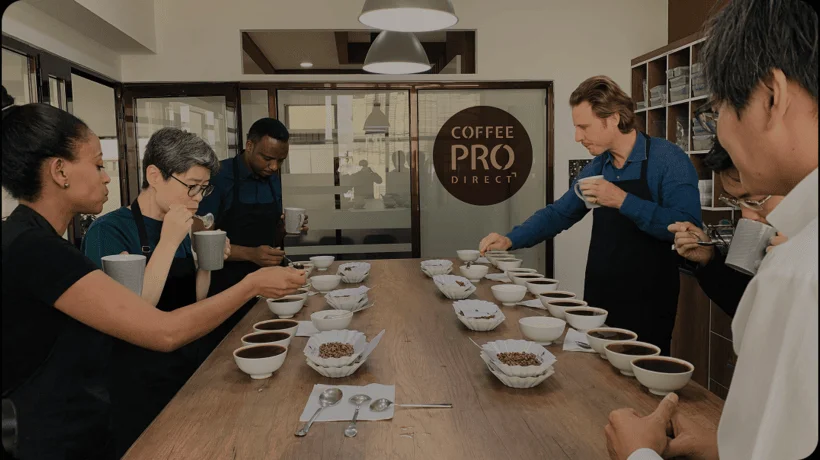
Professional roasters evaluate green coffee before developing a profile. Moisture, density, screen size, processing method, and bean condition can influence how coffee responds to heat. Operators then conduct controlled test roasts, record important measurements, and evaluate the results through grinding, brewing, and cupping.
For Vietnamese Robusta, businesses may develop profiles that highlight chocolate, nutty, caramel, or traditional strong-coffee characteristics. Specialty Arabica producers may experiment with profiles that emphasize floral, fruity, or balanced flavor notes. The appropriate approach depends on the intended customer, brewing method, and green coffee quality.
A professional coffee roaster with dependable controls helps operators test these possibilities systematically. Coffee Pro Direct can support businesses seeking equipment that contributes to more organized roasting and quality evaluation.
Equipment That Complements a Professional Roasting Machine
A roasting machine is only one part of a complete production operation. Supporting equipment helps businesses prepare green coffee, assess quality, maintain consistency, and package finished products.
Green Coffee Preparation Equipment
Green coffee preparation tools help remove unwanted materials and create more consistent batches. Depending on production requirements, businesses may use sieves, sorting equipment, sample dividers, and cleaning systems. Proper preparation supports more reliable roasting and helps identify defects before production begins.
Coffee Grinders
Consistent grinding is essential for evaluating roasted coffee. Professional grinders allow operators to prepare samples for cupping, brewing tests, and product development. Grinding consistency is particularly important when comparing several roast profiles because uneven particle sizes can affect extraction and sensory results.
Digital Coffee Scales
Accurate scales help roasters measure green coffee, roasted output, sample quantities, and brewing recipes. Digital coffee scales support repeatable production records and make it easier to compare batches. For businesses developing retail blends or specialty products, precise measurement contributes to reliable product specifications.
Moisture and Quality Testing Instruments
Moisture meters and other laboratory instruments help businesses evaluate green coffee before roasting. Quality-control equipment can also support density assessment, defect identification, and sample preparation. These tools provide useful information when purchasing coffee from different suppliers or managing production across multiple origins.
Creating an Efficient Coffee Roasting Workspace
A professional roasting facility should be organized around safe equipment operation and efficient movement. Before purchasing machinery, businesses should evaluate available floor space, electrical or gas requirements, ventilation, exhaust systems, cooling areas, and green coffee storage. The layout should allow operators to move beans between preparation, roasting, cooling, quality testing, and packaging without unnecessary delays.
Ventilation deserves particular attention because roasting generates smoke, chaff, and heat. Appropriate exhaust arrangements help maintain a more suitable working environment. Businesses should also follow applicable building, fire safety, environmental, and workplace regulations in Vietnam.
Storage conditions are equally important. Green coffee should be protected from excessive moisture, heat, direct sunlight, and contamination. Roasted coffee should be handled and stored according to its packaging requirements and intended resting period. A well-planned facility helps protect product quality while supporting daily operations.
Quality Control and Consistency in Commercial Roasting
Quality control should be integrated into every stage of coffee production. Businesses can begin by inspecting incoming green coffee, checking supplier information, and recording important lot characteristics. Sample roasting then provides an opportunity to evaluate the coffee before full-scale production.
During roasting, operators should record batch weight, roasting time, temperature changes, airflow settings, and other relevant measurements. These records make it easier to identify differences between batches and investigate unexpected results. After roasting, sensory evaluation can help determine whether the coffee meets the intended product standard.
Vietnamese coffee companies serving wholesale and export customers may need documented quality procedures to maintain consistency across larger orders. A structured quality-control process can also help businesses respond to customer feedback and improve product development.
Investing in a suitable professional coffee roaster alongside reliable testing instruments gives businesses a stronger foundation for repeatable production. Coffee Pro Direct offers equipment options for companies building or upgrading their coffee roasting and laboratory capabilities.
Choosing the Right Roaster for Your Business Model
The best machine depends on the size and purpose of the operation. Independent cafés may prefer compact commercial machines that support fresh roasting without requiring extensive production space. Specialty coffee brands may prioritize profile control, sample testing, and the flexibility to roast different origins. Wholesale manufacturers usually need greater capacity and reliable production performance.
Before making a purchase, businesses should compare:
-
Required batch capacity and expected daily output.
-
Drum or hot air roasting technology.
-
Temperature and airflow control options.
-
Cooling performance and chaff collection.
-
Automation and profile-recording features.
-
Installation requirements and available workspace.
-
Maintenance procedures and replacement components.
-
Training, technical support, and equipment documentation.
-
Total operating costs, including energy and labor.
A realistic assessment of these factors can prevent unnecessary spending and reduce the risk of purchasing equipment that does not fit the business.
Maintenance Practices That Protect Equipment Performance
Regular maintenance helps professional roasting machines operate reliably. Operators should follow the manufacturer's cleaning and servicing instructions rather than waiting for performance problems to appear. Chaff collectors, cooling trays, airflow pathways, and accessible internal components should be inspected and cleaned according to the recommended schedule.
Temperature sensors and monitoring systems should also be checked to support accurate readings. Moving components, bearings, motors, and other mechanical parts may require periodic inspection. Businesses using gas-powered equipment should arrange appropriate checks of gas connections and safety systems through qualified technicians.
Keeping maintenance records can help identify recurring problems and plan servicing before unexpected downtime affects production. Staff should receive training on safe operation, cleaning procedures, and emergency shutdown processes.
Business Opportunities for Coffee Roasters in Vietnam
Vietnam offers several opportunities for businesses investing in professional roasting equipment. Local cafés can differentiate themselves through freshly roasted coffee and signature blends. Specialty brands can work with regional producers to introduce traceable single-origin products. Manufacturers can develop packaged coffee for supermarkets, online stores, hotels, and restaurants.
Coffee exporters may also use roasting facilities for product sampling, buyer presentations, and value-added coffee development. Training centers and laboratories can use professional equipment to teach roasting techniques and evaluate green coffee quality. Each business model has different requirements, so equipment selection should reflect its primary customers and production goals.
As competition increases, businesses that combine good sourcing, reliable roasting, effective packaging, and consistent quality standards can build stronger market positions. Equipment is an important part of this strategy, but successful results also depend on trained staff, product knowledge, and customer understanding.
How Coffee Pro Direct Supports Professional Coffee Operations
Selecting equipment from a supplier with an understanding of coffee production can make the purchasing process more straightforward. Businesses should look for clear product specifications, practical equipment information, and guidance that helps them compare different machine capacities and functions.
Coffee Pro Direct focuses on coffee roasting and laboratory equipment for professional applications. Its product range can help businesses explore solutions for roasting, sample preparation, and coffee quality evaluation. Whether a company is establishing a small roasting operation or upgrading an existing facility, comparing suitable equipment categories can help identify the right combination of machines and accessories.
Vietnamese buyers should evaluate each product according to their local installation requirements, production targets, and service expectations. Confirming technical specifications and support arrangements before purchase is an important step toward a successful investment.
Future Developments in Professional Coffee Roasting
Coffee roasting technology continues to evolve through automation, improved monitoring, and data-supported production. Programmable profiles can help operators reproduce established roast settings, while digital monitoring systems make production records easier to manage. Some businesses are also exploring more efficient energy use and improved smoke-management systems.
Vietnam's coffee industry may benefit from these developments as producers and brands expand into premium domestic and international markets. Greater attention to traceability, sustainability, and consistent quality is likely to influence equipment decisions. Businesses that invest in suitable machinery and staff training can adapt more effectively as customer expectations change.
Conclusion:
Choosing a suitable professional coffee roaster can help Vietnamese coffee businesses improve production consistency, develop distinctive flavor profiles, and respond to changing customer expectations. From compact café machines to high-capacity commercial systems, equipment should match operational goals and available resources. Supporting tools, trained operators, and effective quality-control procedures are equally important. Coffee Pro Direct provides equipment options for businesses exploring professional roasting and laboratory solutions, helping them build stronger foundations for quality-focused coffee production in Vietnam.
Frequently Asked Questions
What is a professional coffee roaster?
A professional coffee roaster is a commercial machine designed to roast green coffee beans with controlled heat, airflow, and timing. It helps cafés, manufacturers, specialty brands, and laboratories produce consistent roasted coffee for different markets.
Which type of coffee roaster is best for a Vietnamese coffee business?
The right machine depends on production capacity, available space, budget, and product requirements. Drum roasters are common in commercial production, while sample roasters support testing and industrial machines serve high-volume operations.
Can professional roasting equipment handle Vietnamese Robusta?
Yes. Professional roasting equipment can be used for Vietnamese Robusta and Arabica. Operators should develop suitable profiles based on bean density, moisture, processing method, and desired flavor characteristics.
What capacity should a coffee roasting business choose?
Businesses should estimate daily demand, expected growth, batch frequency, and working hours. Choosing a machine that matches realistic production requirements can help control costs and maintain operational flexibility.
Why is temperature control important in coffee roasting?
Temperature control helps operators monitor heat application and manage the different stages of roasting. It supports repeatable profiles and makes it easier to investigate differences between production batches.
What equipment is needed alongside a professional roaster?
Common supporting equipment includes green coffee preparation tools, grinders, digital scales, moisture meters, sample roasters, cooling systems, and packaging equipment. The exact setup depends on the business model.
How often should a commercial coffee roaster be maintained?
Maintenance frequency depends on the machine, workload, and manufacturer recommendations. Regular cleaning, inspections, sensor checks, and scheduled servicing help maintain performance and reduce unexpected downtime.

 English
 Arabic
 French
 Spanish
 Portuguese
 Deutsch
 Dutch
 Italiano
 Russian
 Romaian
 Portuguese (Brazil)
 Greek