
Premium Crystals and Rare Gemstone Collections in Singapore for Collectors and Enthusiasts
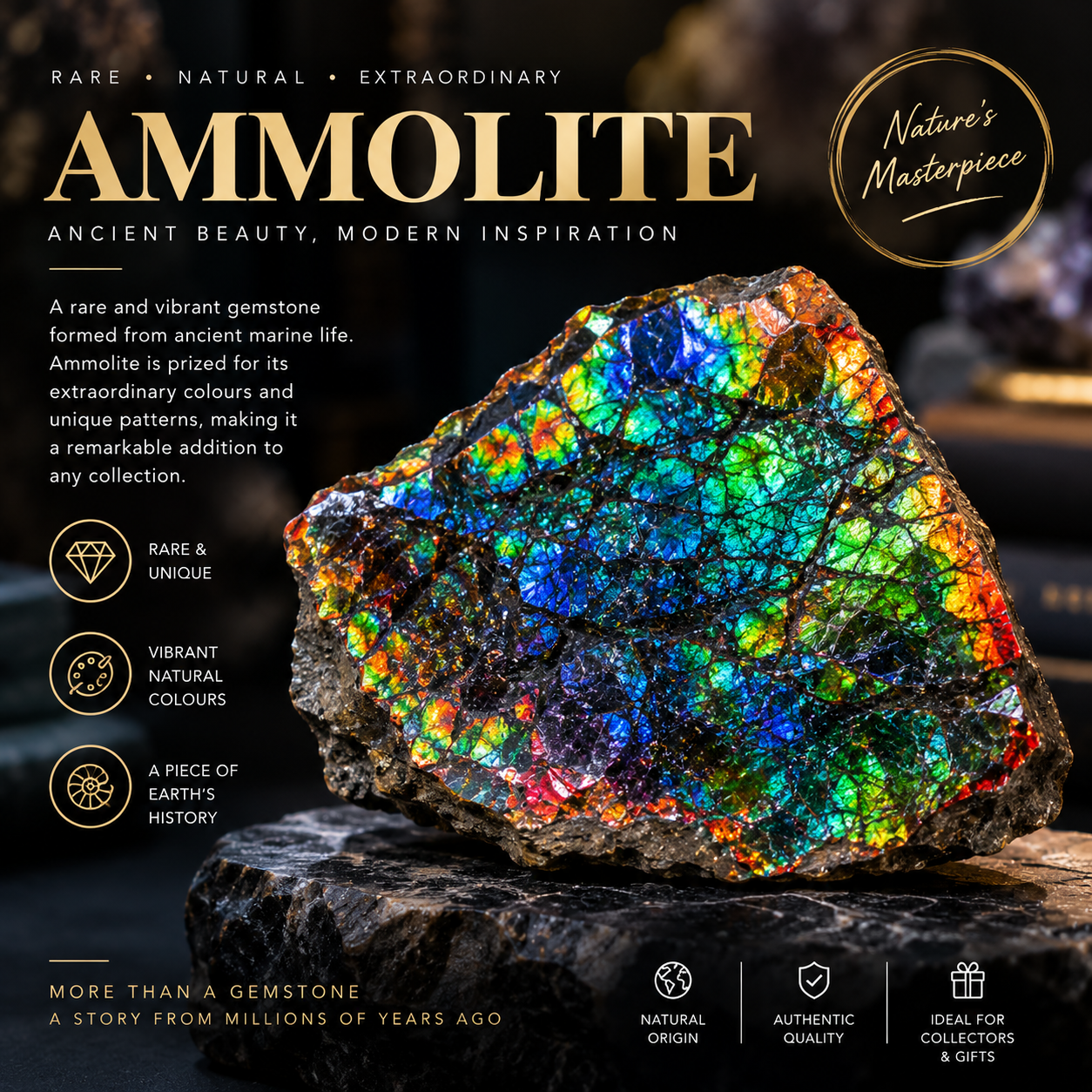
Natural crystals have attracted collectors and gemstone enthusiasts for generations because of their distinctive colours, mineral structures and geological origins. Some people enjoy collecting familiar gemstones, while others prefer unusual specimens that offer something different from everyday decorative stones. In Singapore, buyers interested in developing a crystal collection can explore a wide range of products, from common quartz varieties to specialised materials such as Ammolite, Moldavite and Meteorite.
Finding a suitable crystal supplier Singapore collectors can approach is an important part of building a collection. Buyers may want to understand the identity of a specimen, its physical characteristics, available documentation and how it should be stored or displayed. These considerations become even more important when purchasing specialised or higher-value gemstones.
East Ocean Crystals Pte Ltd offers a range of natural crystals, semi-precious gemstones and specialised specimens in Singapore. For collectors, jewellery enthusiasts and customers who appreciate natural minerals, exploring different gemstone categories can be an enjoyable way to discover materials with distinctive appearances and geological stories.
Why Natural Crystal Collecting Continues to Interest Buyers
Crystal collecting is not limited to purchasing attractive stones. Many enthusiasts enjoy learning about mineral formation, geological environments and the characteristics that distinguish one specimen from another.
A collection can focus on a particular mineral family, colour, geographic origin or type of formation. Some collectors prefer polished gemstones, while others are more interested in rough crystals, clusters and natural mineral specimens.
Collecting for Appearance and Geological Interest
Every natural specimen has physical characteristics that make it different from other pieces. These may include crystal shape, surface structure, colour zoning, inclusions and mineral associations.
Collectors often enjoy comparing these features and learning how they developed. This makes accurate product information important because a specimen's mineral identity and formation are part of what gives it educational and collecting interest.
Developing a Collection Over Time
A collection does not need to be completed in one purchase. Many enthusiasts begin with familiar varieties such as Amethyst, Quartz or Agate before exploring more specialised specimens.
Starting with a clear theme can make collecting more organised. For example, someone interested in quartz minerals may focus on Amethyst, Rose Quartz, Citrine and Smoky Quartz, while another collector may prefer meteorite-related materials or unusual gemstone formations.
Popular Crystal Varieties for New and Experienced Collectors
The natural gemstone market offers many varieties, and each has different visual characteristics. Understanding these differences can help collectors decide which specimens they would like to explore.
Amethyst and Quartz Collections
Amethyst is a purple variety of quartz and is available in different forms, including individual crystals, clusters and geodes. Its colour can range from pale lavender to deeper purple, depending on the specimen.
Rose Quartz, Citrine and Smoky Quartz provide additional colour varieties within the broader quartz family. Collectors interested in comparing mineral varieties may find it useful to examine their different colour characteristics and physical formations.
Agate and Aventurine
Agate is recognised for its natural banding and patterns, which can create distinctive visual effects. Aventurine is another variety that attracts attention through its colour and characteristic appearance.
These materials can be collected as polished pieces, decorative objects or other specimen forms. Their variation makes them interesting for people who appreciate natural patterns and mineral textures.
Garnet, Peridot and Tiger Eye
Garnet is a gemstone group that includes several varieties, while Peridot is recognised for its green colour. Tiger Eye is known for its golden-brown appearance and distinctive reflective effect.
These gemstones offer collectors additional opportunities to explore colour, mineral properties and jewellery applications. Buyers should pay attention to identification and product descriptions when comparing different materials.
Exploring Specialised and Unusual Gemstone Specimens
Beyond familiar gemstone varieties, some collectors are interested in materials with distinctive geological or historical associations. These products may require more detailed identification and supporting information than everyday decorative crystals.
Ammolite
Ammolite is an organic gemstone material derived from fossilised ammonite shells. It is known for its iridescent colours, which can include green, red, orange and other changing tones depending on the specimen.
Collectors may be attracted to its unusual visual appearance and geological background. When purchasing Ammolite, buyers should ask about the material, its condition and any available information regarding stabilisation or treatment.
Moldavite
Moldavite is a natural glass associated with a meteorite impact event that occurred in the region of Central Europe. Its green colour and distinctive surface textures make it recognisable among specialised gemstone materials.
Because Moldavite is a sought-after collector material, buyers should pay attention to identification and provenance information. Product descriptions should distinguish natural Moldavite from imitation glass and other materials that may have a similar appearance.
Meteorite Specimens
Meteorites are materials originating from space that survive passage through the Earth's atmosphere and reach the surface. They are collected for their scientific and geological interest as well as their distinctive appearance.
Different meteorites have different compositions and characteristics. Buyers interested in purchasing them should ask about classification, identification and any available supporting documentation. A clear understanding of the specimen is particularly important for specialised collector purchases.
How to Select a Premium Crystal or Gemstone Specimen
The term premium is commonly used in the gemstone market, but buyers should understand which characteristics influence a particular product's appeal. There is no single standard that applies equally to every crystal variety.
The most suitable specimen depends on the intended purpose, material, quality expectations and personal preference. A collector may value an unusual formation, while a jewellery buyer may prioritise colour and clarity.
Examine Colour and Transparency
Colour can be one of the first features buyers notice. However, colour alone does not determine gemstone quality. Its distribution, intensity, natural appearance and consistency may all influence the suitability of a specimen.
Transparency is another consideration for selected gemstones. Some varieties are valued for their clear appearance, while others are naturally opaque or contain visible inclusions.
Consider Size and Crystal Formation
The size of a specimen may influence its display requirements and purchasing value. Larger clusters and geodes can create striking display pieces, while smaller crystals may be easier to store and organise.
Collectors should also examine the crystal formation and overall condition. Natural points, surfaces, inclusions and associations with other minerals can be relevant to the interest and appearance of a specimen.
Ask About Origin and Identification
For specialised gemstones, it is useful to ask where the material originated and what information is available to support its identification. Buyers should not assume that every product has independent certification, but they can ask whether suitable reports or supplier documentation are available.
Where a purchase involves a valuable or uncommon specimen, an independent assessment may be worthwhile. This provides another level of information beyond a general marketing description.
Caring for and Displaying Natural Crystals
Collecting crystals also involves understanding how to store and display them appropriately. Different minerals have different physical properties, so a single care method may not be suitable for every specimen.
Keep Different Minerals Separated
Some gemstones are harder than others, which means storing them together can create scratches or surface damage. Keeping specimens separated using suitable containers or display compartments can help reduce accidental contact.
Collectors should also take care when handling delicate crystal points, thin formations and fragile mineral specimens. Larger or heavier pieces should be placed on stable surfaces to prevent accidental falls.
Consider Light, Moisture and Temperature
Certain gemstones can be sensitive to prolonged exposure to strong light, moisture or sudden environmental changes. The appropriate storage conditions depend on the specific mineral and any treatments it may have received.
Buyers should ask for care recommendations where a specimen has special requirements. It is better to use material-specific advice than apply a general cleaning or storage method to every gemstone.
Create a More Organised Collection
Labelling specimens with their mineral names, purchase information and available origin details can make a collection easier to manage. Collectors may also maintain photographs and records to track additions over time.
This approach is especially useful for people who collect different gemstone families or specialised materials. Accurate records also make it easier to compare specimens and understand the development of the collection.
Finding a Suitable Crystal Supplier for Collectors in Singapore
Collectors should look for a crystal supplier that offers clear product information and an opportunity to discuss individual specimens. This is important because a natural crystal's appearance can vary significantly from one piece to another.
A supplier with different product categories can also be useful when a collector wants to explore several mineral families in one place. However, buyers should confirm the availability of specific specimens before travelling or making purchasing arrangements.
Why a Showroom Visit Can Be Valuable
A physical showroom allows collectors to examine the actual appearance of a specimen. They can compare size, colour, surface structure and other characteristics before making a decision.
This is particularly useful for Amethyst clusters, geodes, larger mineral formations and specialised collector pieces. A direct conversation with the supplier can also help clarify identification and available supporting information.
Discover Crystal and Gemstone Collections at East Ocean Crystals
East Ocean Crystals Pte Ltd is a Singapore-based crystal and gemstone wholesaler with decades of industry experience. Its collection covers different natural crystals, semi-precious gemstones, jewellery, beads, bracelets, pendants, carvings, clusters and decorative products.
Collectors and enthusiasts can explore familiar varieties such as Amethyst, Rose Quartz, Citrine, Agate, Aventurine, Garnet, Peridot, Smoky Quartz and Tiger Eye. The company also offers specialised products including Ammolite, Moldavite and Meteorite.
A Selection for Different Interests
Some customers may be looking for a particular gemstone to add to a collection, while others want to compare several varieties before deciding what to purchase. Having different product categories available creates an opportunity to explore different mineral characteristics and product forms.
For collectors, the ability to examine actual specimens is especially useful. Buyers can visit the showroom and discuss available products directly with the company rather than relying entirely on photographs or general descriptions.
Wholesale and Individual Purchasing Enquiries
East Ocean Crystals also serves customers interested in wholesale crystal and gemstone supplies. Retailers can enquire about the product categories relevant to their businesses, while individual buyers can explore the available selection according to their interests.
Specific product availability and purchasing arrangements should be confirmed directly with the company, especially for specialised or higher-value specimens.
Frequently Asked Questions
Where can I find premium natural crystals in Singapore?
East Ocean Crystals Pte Ltd is a Singapore-based crystal and gemstone wholesaler offering a selection of natural crystals, semi-precious gemstones and specialised specimens. Customers can explore its online collection or visit its showroom.
What is the difference between Ammolite and Moldavite?
Ammolite is an organic gemstone material derived from fossilised ammonite shells, while Moldavite is a natural glass associated with a meteorite impact event. They have different compositions, origins and physical characteristics.
Are meteorites suitable for collecting?
Meteorites are collected for their geological and scientific interest. Buyers should ask about the specimen's identification, classification and available supporting documentation before purchasing.
How should natural crystals be stored?
Storage requirements depend on the mineral. Keeping specimens separated, avoiding unnecessary impact and following material-specific care guidance can help protect a collection.
Can I inspect crystals before purchasing?
Yes. Visiting a physical showroom allows buyers to compare actual specimens and discuss their characteristics with the supplier. It is advisable to enquire about specific products before visiting.
Does East Ocean Crystals offer specialised gemstone specimens?
Its collection includes products such as Ammolite, Moldavite and Meteorite, subject to availability. Buyers should contact the company to discuss the particular specimens they are interested in.
Discover Your Next Gemstone Collection with East Ocean Crystals
Every natural gemstone has its own characteristics, and finding the right specimen can make collecting a rewarding experience. Whether you are beginning with familiar quartz varieties or exploring specialised materials such as Ammolite, Moldavite and Meteorite, choosing a supplier with a broad product selection and clear communication is an important part of the process.
Take the next step in discovering natural crystals and gemstones with East Ocean Crystals Pte Ltd. Explore its collections of semi-precious gemstones, natural crystal formations, jewellery, beads and specialised specimens in Singapore. Visit 39 Genting Lane, #07-00, Minwa Industrial Building, Singapore 349554, or call +65 6842 8178 to enquire about available products and wholesale opportunities. From individual collectors to established retailers, https://www.eocean.com.sg/ Crystals welcomes you to explore a diverse world of natural crystals and gemstone collections.

 Arabic
 French
 Spanish
 Portuguese
 Deutsch
 Turkish
 Dutch
 Italiano
 Russian
 Romaian
 Portuguese (Brazil)
 Greek