
Laser Hair Removal: A Modern Solution for Unwanted Hair and Smooth Skin
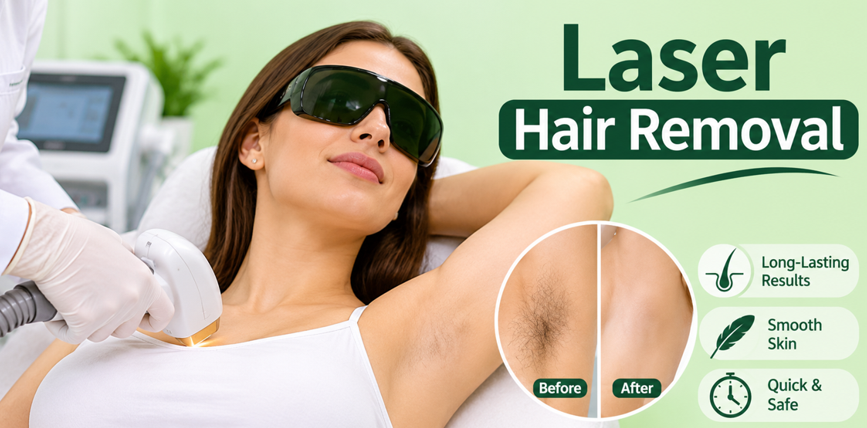
Unwanted hair is a common beauty and personal grooming concern for both men and women. Traditional hair removal techniques, including shaving, waxing, threading, and depilatory creams, can help remove unwanted hair temporarily. However, these methods often require frequent repetition and may lead to skin irritation, razor bumps, ingrown hairs, and discomfort.
With advancements in aesthetic technology, laser hair removal has emerged as an effective option for people seeking longer-lasting hair reduction. This modern cosmetic procedure uses concentrated light energy to target hair follicles, gradually reducing unwanted hair growth and improving skin smoothness.
Whether you want to reduce facial hair, achieve smoother legs, manage unwanted underarm hair, or minimize recurring ingrown hairs, laser hair removal offers a convenient alternative to traditional grooming methods.
In this article, we will explore the treatment in detail, including its working mechanism, benefits, different technologies, treatment areas, procedure, expected results, possible risks, and aftercare recommendations.
Understanding Laser Hair Removal
Laser hair removal is a non-invasive cosmetic procedure designed to reduce unwanted hair by targeting the pigment inside hair follicles. It uses specialized laser equipment to deliver controlled light energy into the skin.
The melanin present in the hair absorbs the laser energy and converts it into heat. This heat damages the hair follicle, reducing its ability to produce new hair.
Unlike shaving, which only cuts hair at the skin's surface, laser hair removal works beneath the surface to target the structures responsible for hair growth.
The treatment can be performed on various body areas, including:
-
Facial hair, including the upper lip and chin.
-
Underarms and arms.
-
Legs and thighs.
-
Chest and abdomen.
-
Back and shoulders.
-
Bikini line and selected external intimate areas.
-
Neck and other areas with unwanted hair.
Laser hair removal does not guarantee the permanent elimination of every hair, but it can provide significant and long-lasting hair reduction after completing the recommended treatment course.
Why Is Laser Hair Removal Becoming Popular?
The increasing popularity of laser hair removal is largely associated with its convenience and longer-lasting results.
People who regularly shave or wax often experience recurring hair growth and need to repeat the process every few days or weeks. This can become time-consuming and expensive over time.
Laser hair removal offers an alternative by gradually reducing hair growth over multiple sessions.
Several factors contribute to its popularity:
-
Longer-lasting hair reduction.
-
Reduced need for frequent shaving.
-
Less dependence on waxing and threading.
-
Potential reduction in ingrown hairs.
-
Smoother skin between treatments.
-
Treatment options for different body areas.
-
Availability of modern laser technologies for various skin tones.
As aesthetic technology continues to improve, laser hair removal has become an increasingly accessible cosmetic treatment.
How Does Laser Hair Removal Technology Work?
Laser hair removal uses a scientific process called selective photothermolysis. This technique allows specific wavelengths of light to target melanin in the hair follicle.
The treatment works through the following process:
1. Light Energy Delivery: A professional laser device releases concentrated pulses of light toward the treatment area.
2. Melanin Absorption: The pigment within the hair absorbs the light energy.
3. Heat Generation: The absorbed energy is converted into heat.
4. Follicle Damage: The heat damages the follicle structures responsible for producing hair.
5. Gradual Hair Reduction: Treated hairs shed over time, and subsequent hair growth may become finer and less noticeable.
Hair grows in three main phases: anagen, catagen, and telogen. Laser treatment is most effective during the anagen phase, when hair is actively growing.
Because different follicles enter this phase at different times, several appointments are needed to treat a larger proportion of actively growing hairs.
Different Laser Technologies Used for Hair Reduction
Selecting the correct laser system is essential for achieving satisfactory results while minimizing potential skin complications.
Different technologies are designed for different skin tones, hair characteristics, and treatment requirements.
Alexandrite Laser Technology
Alexandrite lasers use a wavelength of approximately 755 nm. They are commonly used for individuals with lighter skin tones and dark hair.
Key advantages include:
-
Effective targeting of dark, coarse hair.
-
Suitable for larger body areas.
-
Relatively fast treatment sessions.
-
Good results in appropriately selected candidates.
Careful settings are important, especially when treating individuals with darker complexions.
Diode Laser Technology
Diode lasers typically operate at wavelengths around 800–810 nm. They are widely used in professional aesthetic clinics.
Their advantages include:
-
Effective hair reduction.
-
Suitability for various treatment areas.
-
Potential use across a range of skin tones.
-
Availability of integrated cooling systems.
Nd:YAG Laser Technology
Nd:YAG lasers operate at a wavelength of 1064 nm and are frequently selected for individuals with darker skin tones.
Benefits include:
-
Deeper penetration into the skin.
-
Lower absorption by epidermal melanin compared with shorter wavelengths.
-
Suitability for many darker skin types.
-
Effective treatment of coarse hair.
Intense Pulsed Light (IPL)
IPL is another technology used for hair reduction. Although it is often advertised alongside laser treatments, it is not technically a laser.
IPL uses broad-spectrum light rather than a single wavelength. Its effectiveness depends on the device, treatment settings, skin type, and hair color.
A qualified professional can help select the most appropriate technology for your skin and hair.
Major Benefits of Laser Hair Removal
Laser hair removal offers several benefits for people who want to manage unwanted hair more conveniently.
1. Reduces Unwanted Hair Growth
The primary benefit of laser treatment is its ability to reduce hair growth over time. Following multiple sessions, many individuals notice fewer visible hairs and slower regrowth.
2. Helps Maintain Smoother Skin
Repeated shaving can cause roughness, irritation, and small cuts. Laser hair removal reduces the need for frequent shaving, helping maintain smoother-looking skin.
3. Helps Prevent Ingrown Hairs
Ingrown hairs can develop when hair curls back into the skin. They are particularly common in people who frequently shave or wax.
By reducing the amount of hair that grows back, laser treatment may help minimize this problem.
4. Reduces Shaving-Related Irritation
Razor burns, itching, redness, and bumps can occur after regular shaving. Laser hair reduction can decrease the need for repeated shaving and help reduce these issues.
5. Saves Time and Money Over Time
Although laser hair removal requires an initial financial investment, it may reduce the recurring expenses and time associated with waxing, shaving products, and other hair removal methods.
6. Offers Multiple Treatment Options
Laser technology can be used on several body areas, allowing individuals to select treatments according to their personal grooming requirements.
7. Improves Grooming Convenience
People with busy lifestyles may appreciate having fewer unwanted hairs to manage. Reduced hair growth can make everyday personal grooming easier.
Which Body Areas Can Be Treated?
Laser hair removal can be performed on many areas of the body, depending on the individual's needs and professional assessment.
Facial Areas: The upper lip, chin, cheeks, and sideburns are common treatment areas. Special care is necessary around the eyes.
Underarms: This is a popular treatment area for people who want to reduce frequent shaving and irritation.
Arms and Hands: Treatment can reduce unwanted hair on the upper arms, forearms, and hands.
Legs: Both full legs and selected areas, such as the lower legs and thighs, can be treated.
Chest and Abdomen: Men and women may choose treatment to reduce unwanted hair on the chest and abdominal area.
Back and Shoulders: These areas are particularly popular among men with thick or dense body hair.
Bikini Line: Laser treatment can reduce unwanted hair around the bikini line. Intimate-area treatments should be performed by appropriately trained professionals using suitable precautions.
Laser Hair Removal for Different Skin Types
One important consideration before laser treatment is skin tone. Different skin types absorb laser energy differently, so treatment settings must be selected carefully.
Laser Hair Removal for Fair Skin
People with lighter skin and dark hair have traditionally been good candidates because the contrast between hair pigment and surrounding skin makes targeting easier.
Alexandrite and diode lasers are commonly used in suitable candidates.
Laser Hair Removal for Medium Skin
People with medium skin tones may benefit from diode or other appropriately selected laser technologies.
A professional assessment helps determine the correct wavelength and energy settings.
Laser Hair Removal for Dark Skin
Modern laser technology has expanded treatment options for people with darker complexions.
Nd:YAG lasers are often preferred because their longer wavelength reduces absorption by melanin in the upper skin layers.
However, proper technique and experience are particularly important to minimize the risk of burns and pigmentation changes.
Who Can Benefit From Laser Hair Removal?
Laser hair removal may be suitable for adults who want to reduce unwanted facial or body hair.
It may be particularly helpful for:
-
People with thick and coarse unwanted hair.
-
Individuals who experience repeated ingrown hairs.
-
People with frequent shaving-related irritation.
-
Individuals seeking an alternative to regular waxing.
-
Men who want to reduce unwanted chest or back hair.
-
Women who want to manage unwanted facial or body hair.
-
Individuals who prefer long-term hair reduction.
Hair color is also important. Darker hair generally responds better because it contains more melanin. Blonde, white, grey, and some red hair may respond poorly.
People with excessive hormonal hair growth may require additional medical evaluation alongside cosmetic treatment.
What to Expect During a Laser Hair Removal Appointment
Understanding the treatment process can help reduce anxiety and prepare you for your appointment.
Initial Skin and Hair Assessment
The professional examines the treatment area and evaluates hair thickness, skin tone, and medical history.
This helps determine whether the treatment is appropriate and which laser settings should be used.
Cleaning the Treatment Area
The skin is cleaned to remove makeup, oils, creams, and other products that may interfere with treatment.
The area is generally shaved beforehand according to the clinic's instructions.
Protective Measures
Appropriate protective eyewear is provided to protect the eyes from laser exposure.
Cooling systems may also be used to improve comfort.
Laser Application
The laser handpiece is applied to the treatment area, delivering controlled light pulses to the hair follicles.
Some individuals experience a mild stinging or snapping sensation.
Post-Treatment Assessment
Following treatment, the skin is checked for irritation or unusual reactions.
The professional may recommend soothing products and provide instructions for the next few days.
How Many Laser Hair Removal Treatments Are Needed?
Laser hair removal is a gradual process rather than a one-time procedure.
Most people need approximately 4–8 or more sessions, depending on the treatment area, hair growth cycle, skin characteristics, and response to treatment.
The sessions are generally spaced several weeks apart.
Some areas, particularly those influenced by hormones, may require additional treatments.
Following the recommended schedule is important because treating hair during its active growth phase improves the likelihood of successful reduction.
Is Laser Hair Removal Painful?
The level of discomfort varies between individuals and treatment areas.
Most patients describe the sensation as a mild snapping or pinching feeling against the skin.
Areas with thicker hair or greater sensitivity may feel more uncomfortable than other areas.
Modern devices often include cooling mechanisms that help protect the skin and improve patient comfort.
If you have concerns about discomfort, discuss them with your provider before starting treatment.
Possible Side Effects and Safety Considerations
Laser hair removal is generally considered safe when performed by an appropriately trained professional. However, temporary reactions and occasional complications are possible.
Common reactions include:
-
Temporary redness.
-
Mild swelling around hair follicles.
-
Skin sensitivity.
-
Warmth or mild discomfort.
-
Temporary pigmentation changes.
Less common complications include:
-
Blistering.
-
Burns.
-
Crusting.
-
Scarring.
-
Infection.
-
Changes in skin texture.
-
Unexpected increased hair growth around the treated area.
The risk of complications may increase when inappropriate equipment or settings are used.
To improve safety, choose an experienced provider, disclose your medical history, avoid tanning, and follow all preparation and aftercare instructions.
Essential Aftercare Tips for Better Results
Aftercare is an important part of the laser hair removal process.
Following appropriate instructions can help reduce irritation and protect your skin.
Protect Your Skin From Sunlight
Avoid excessive sun exposure and use broad-spectrum sunscreen with SPF 30 or higher on exposed treated areas.
Use Gentle Skincare Products
Choose mild cleansers and avoid irritating products until your skin has recovered.
Avoid Excessive Heat
Hot showers, saunas, and steam rooms should be avoided while the treated skin remains irritated.
Avoid Scratching and Picking
Allow treated hairs to shed naturally. Do not pull or forcibly remove them.
Avoid Waxing and Plucking
Shaving is generally acceptable between sessions, but waxing and plucking should be avoided because they remove the hair targeted by the laser.
Follow Your Treatment Schedule
Attend appointments at the intervals recommended by your professional to maintain consistent treatment progress.
Laser Hair Removal Compared With Traditional Hair Removal Methods
Shaving, waxing, and threading are commonly used for temporary hair removal. However, each method has different advantages and disadvantages.
| Comparison | Laser | Waxing | Shaving |
|---|---|---|---|
| Results | Long-term reduction | Temporary | Temporary |
| Hair follicle damage | Yes | No | No |
| Frequent maintenance | Usually reduced | Yes | Yes |
| Risk of irritation | Possible | Possible | Possible |
| Helps reduce ingrown hairs | Yes | Not necessarily | Not necessarily |
| Initial cost | Higher | Lower | Lower |
For people who regularly remove unwanted hair, laser treatment may offer greater long-term convenience.
Factors That Affect Laser Hair Removal Results
Treatment outcomes are not identical for everyone. Several factors influence how effectively laser energy reduces hair growth.
Hair Color: Dark hair generally responds better because it contains more melanin.
Hair Thickness: Coarse hair often responds better than very fine hair.
Skin Tone: Skin tone influences laser selection and treatment settings.
Hormonal Activity: Hormonal changes can contribute to new hair growth, particularly on the face and other hormonally sensitive areas.
Treatment Consistency: Following the recommended appointment schedule helps target different hair growth cycles.
Professional Experience: Appropriate device selection and correct settings are important for both effectiveness and safety.
Frequently Asked Questions (FAQs)
1. Is laser hair removal suitable for everyone?
Laser hair removal can benefit many adults, but suitability depends on skin tone, hair color, medical history, and treatment area. A professional consultation is recommended.
2. How long does one laser hair removal session take?
Treatment duration depends on the size of the area. Small areas may take only a few minutes, while full legs or the back may take considerably longer.
3. Does laser hair removal permanently stop hair growth?
It provides long-term hair reduction rather than a guarantee of complete permanent removal. Some hair may regrow, and maintenance sessions may be necessary.
4. Can laser hair removal be performed on the face?
Yes. The upper lip, chin, cheeks, and sideburns can be treated with appropriate precautions.
5. Does laser hair removal help with razor bumps?
Yes. Reducing hair growth may help minimize recurring ingrown hairs and shaving-related bumps.
6. Can I undergo laser hair removal if I have dark skin?
Yes. Certain technologies, including Nd:YAG lasers, can be appropriate for darker skin tones when used by experienced professionals.
7. How soon will I notice results?
Some individuals notice changes after their initial sessions. Treated hairs generally shed gradually over one to three weeks.
8. Can laser hair removal treat thick body hair?
Yes. Dark, coarse hair often responds well to laser treatment, although several sessions are required.
9. Is laser hair removal safe during pregnancy?
Because there is limited evidence regarding cosmetic laser hair removal during pregnancy, elective treatment is generally postponed until after pregnancy following medical advice.
10. What should I avoid after laser treatment?
Avoid excessive sunlight, tanning, aggressive exfoliation, hot environments, and scratching the treated area while it recovers.
11. Can men undergo full-body laser hair removal?
Men can have multiple body areas treated, including the chest, back, shoulders, arms, legs, and selected other areas. Treatment suitability should be assessed individually.
12. Is laser hair removal better than waxing?
Laser hair removal offers longer-lasting hair reduction, whereas waxing provides temporary results. The appropriate choice depends on personal preferences, budget, and treatment suitability.
Final Thoughts: Is Laser Hair Removal Worth Considering?
Laser hair removal is a modern cosmetic solution for individuals who want to reduce unwanted hair and simplify their personal grooming routines. Its ability to target hair follicles makes it different from traditional methods such as shaving and waxing.
With appropriate technology, professional supervision, and a consistent treatment schedule, many people experience significant hair reduction and smoother skin.
However, it is important to understand that results vary, multiple sessions are necessary, and occasional maintenance may be required.
Before choosing laser hair removal, consult an experienced dermatologist or qualified laser specialist to evaluate your skin and hair characteristics and develop a suitable treatment plan.
Choosing a reputable clinic and following professional guidance can help you achieve safer treatment and more satisfactory long-term results.

 English
 Arabic
 French
 Spanish
 Portuguese
 Deutsch
 Turkish
 Italiano
 Russian
 Romaian
 Portuguese (Brazil)
 Greek