
Still Relying On Traditional Inspection Methods? Its Time To Consider Light Tables
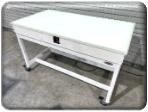
Traditional inspection methods may not be sufficient to meet the accuracy and efficiency demands of modern industrial environments. These limitations can have an impact on product quality, increase inspection time and result in costly errors during manufacturing. As quality standards become more demanding, commercial enterprises need more efficient ways to examine materials with greater accuracy. Light tables offer a proper solution to this problem by providing a uniform illuminated surface that makes it easier for professionals to detect imperfections. Whether used in manufacturing, laboratories, printing or other precision-based applications, light tables can make inspection tasks more convenient and reliable. Upgrading to a light table can therefore help manufacturers to streamline inspection processes and achieve greater consistency in your operations.
Enhanced visibility of small defects
Identifying minor defects is one of the major challenges associated with traditional inspection methods. When materials are examined under ordinary room light, these defects can get easily overlooked. This can be problematic, especially when inspecting thin or transparent materials.
Light tables can address these problems by providing consistent illumination across the inspection service. The light passing through the material helps to highlight imperfections that might be otherwise difficult to identify. Inspectors can examine materials properly and detect quality issues before they affect the finished product.
Quicker quality control processes
Traditional inspection procedures can consume a considerable amount of time, especially when workers are required to examine large quantities of materials or identify small imperfections. Inspectors may have to reposition products repeatedly, adjust external lighting or use additional tools in order to get a clearer view of the specific areas. These activities can slow down inspection workflows and create unnecessary interruptions in production.
Light tables can streamline this process by providing a dedicated illuminated surface for examining materials. Better visibility enables workers to identify defects more efficiently without constantly changing lighting arrangements or inspection positions. This makes daily quality checks more manageable.
It improves efficiency
An inefficient inspection setup can make routine quality control activities unnecessarily complicated. Employees depending on handheld lighting equipment or inconsistent illumination may find it difficult to maintain an organized inspection process, thus decreasing the work efficiency.
Light tables provide a dedicated workspace where materials can be positioned and examined under consistent illumination. These tables can also offer numerous beneficial features like adjustable brightness, suitable working heights and ergonomic configurations. These features make inspection activities more convenient and help professionals to maintain a smooth workflow.
More consistent inspection results
Maintaining consistency across quality inspections can be difficult when workers rely on poor lighting arrangements. Variations in this situation can have an impact on quality assessments, thus making it difficult for manufacturers to maintain uniform product standards. For example, it can give different measurements to two inspectors
Light tables play a significant role in minimizing these inconsistencies by creating a controlled and evenly illuminated inspection area. Since the materials can be examined under proper lighting conditions, there is less chance of variations. This increases the reliability of visual assessments and helps quality control teams to maintain more reliable inspection practices.
Less chance of product rejection
Overlooking imperfections during the inspection process can create major problems later. Products with unnoticed defects may proceed towards distribution and will reach customers. This can damage the credibility of the manufacturer.
Manufacturing companies can avoid these issues to a great extent by using light tables. These tables enable inspectors to identify minor defects more efficiently, thus providing manufacturers with the opportunity to separate defective products from good quality ones before the distribution process begins. This makes it possible for manufacturers to retain their credibility.
Conclusion
Traditional inspection methods may be sufficient for basic quality checks, but they can become less effective when manufacturers are required to do precise inspections and maintain consistent results. Light tables provide a more controlled illumination environment which simplifies the process of inspection and make it more reliable.

 English
 Arabic
 French
 Spanish
 Portuguese
 Deutsch
 Dutch
 Italiano
 Russian
 Romaian
 Portuguese (Brazil)
 Greek