
Which Hair Transplant Technique Is Suitable for Different Hair Loss Patterns?
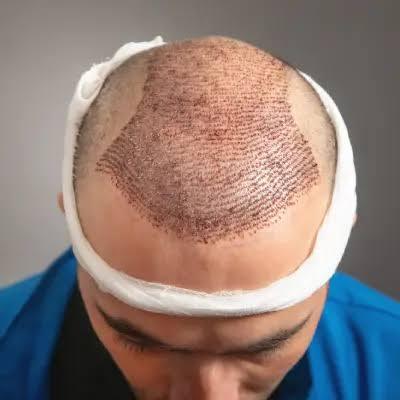
Hair loss affects people differently, and choosing the right hair restoration technique depends on several factors, including the extent of hair thinning, donor hair availability, scalp condition, and individual restoration goals. Some people experience a receding hairline, while others notice thinning around the crown or widespread hair loss across the scalp. Understanding these patterns helps patients make informed decisions about hair transplant procedures.
Modern Hair Transplant in Dubai offers different techniques, particularly Follicular Unit Extraction (FUE) and Follicular Unit Transplantation (FUT). Each method has specific characteristics and may be suitable for different patients. A professional assessment is essential to determine which approach can provide appropriate coverage while preserving existing hair.
Understanding Different Hair Loss Patterns
Before selecting a hair transplant technique, it is important to understand how hair loss develops.
Common hair loss patterns include:
-
Receding Hairline: Hair gradually disappears around the temples and forehead, changing the natural hairline.
-
Crown Baldness: Hair becomes thinner or disappears around the top and back of the scalp.
-
Diffuse Thinning: Hair density decreases across larger areas without creating completely bald patches.
-
Advanced Hair Loss: Significant hair loss affects multiple scalp regions, leaving limited areas of existing hair.
-
Patchy Hair Loss: Hair disappears in separate areas, which may require medical investigation before considering transplantation.
Identifying the pattern helps specialists understand the extent of restoration required and whether sufficient donor follicles are available.
FUE Hair Transplant for Receding Hairlines and Targeted Restoration
Follicular Unit Extraction (FUE) is a commonly used hair transplant technique in which individual follicular units are extracted from a donor area, usually at the back or sides of the scalp. These follicles are then implanted into areas experiencing hair loss.
FUE may be suitable for individuals with receding hairlines, smaller bald areas, or moderate thinning who have sufficient healthy donor hair.
One advantage of this technique is that it does not require removing a continuous strip of scalp tissue. Instead, small extraction sites are distributed across the donor area, which generally heal with tiny dot-like scars.
FUE can also provide flexibility when planning hairline restoration. Specialists can consider facial proportions, natural hair direction, and existing hair density when positioning transplanted follicles.
However, suitability depends on donor hair quality, scalp characteristics, and the patient's overall hair loss pattern.
FUT Hair Transplant for Extensive Hair Restoration
Follicular Unit Transplantation (FUT), also known as the strip method, involves removing a narrow strip of scalp tissue from the donor region. Individual follicular units are separated from this tissue under magnification and prepared for transplantation.
FUT may be considered for patients who require a larger number of grafts and have suitable donor scalp characteristics.
One potential advantage is that multiple follicular units can be prepared from a donor strip without individually extracting each follicle. This can be useful in selected cases involving more extensive hair loss.
However, FUT leaves a linear scar in the donor area and usually requires sutures. Healing and recovery considerations should be discussed during consultation.
The technique may not be suitable for everyone, particularly individuals who prefer very short hairstyles or have certain donor scalp limitations.
Which Technique Is Suitable for Crown Hair Loss?
Crown hair loss often creates a circular thinning pattern around the vertex of the scalp. Restoring this area requires careful planning because hair naturally grows in a spiral or whorl pattern.
FUE or FUT may be considered depending on the patient's donor hair availability and the amount of coverage required.
Specialists must pay attention to:
-
Natural hair growth direction.
-
Existing hair density around the crown.
-
Number of grafts available.
-
Size of the thinning area.
-
Possibility of future hair loss.
The crown can require a considerable number of grafts to create the appearance of adequate density. Therefore, treatment planning should consider long-term hair restoration goals rather than focusing only on immediate coverage.
Can Diffuse Hair Thinning Be Treated With a Hair Transplant?
Diffuse thinning occurs when hair density decreases across a wider scalp area. Unlike clearly defined bald patches, existing hair remains present but becomes finer or less noticeable.
Hair transplantation requires additional consideration in these cases because existing follicles may be vulnerable to further thinning.
A specialist should evaluate whether the patient has stable donor hair and whether the recipient areas can safely accommodate transplanted follicles. Medical treatment may also be recommended to manage ongoing hair loss.
Not every person with diffuse thinning is a suitable candidate for transplantation. Identifying the underlying cause is important before proceeding.
Factors That Determine the Right Hair Transplant Technique
Choosing between FUE and FUT involves more than identifying the visible pattern of hair loss. Several clinical factors influence the final recommendation.
Donor Hair Availability
The donor area provides follicles for transplantation. Its density, quality, and distribution help determine how many grafts can be safely harvested.
Hair Characteristics
Hair thickness, curl pattern, colour contrast, and texture influence how much visual coverage transplanted follicles may provide.
Scalp Condition
Scalp elasticity, previous scarring, inflammation, and other skin conditions can affect treatment planning and healing.
Future Hair Loss
Hair loss may continue after transplantation. A responsible treatment plan considers potential progression and preserves donor hair for possible future needs.
Personal Restoration Goals
Some patients prioritise restoring their frontal hairline, while others want improved crown coverage or overall density. Individual expectations help guide the treatment approach.
Hair Transplant Assessment at Tajmeels Clinic
At tajmeels clinic dubai, hair restoration planning focuses on understanding individual hair loss patterns, donor hair characteristics, scalp condition, and aesthetic expectations. A personalised consultation helps assess whether FUE, FUT, or another management approach may be appropriate. Patients can discuss their concerns, understand the available techniques, and receive guidance about the expected recovery process and long-term maintenance. Careful assessment helps establish realistic restoration goals while considering the patient's existing hair and potential future hair loss.
What Should You Expect After a Hair Transplant?
Recovery varies depending on the selected technique, the number of grafts, and individual healing characteristics.
Some temporary redness, swelling, scabbing, or tenderness may occur after treatment. Transplanted hairs commonly shed during the early recovery period, which is a normal part of the hair growth cycle.
New hair growth generally develops gradually over several months. Visible improvement often takes around 6–12 months, although individual results can vary.
Following aftercare instructions, avoiding unnecessary pressure on the scalp, and attending recommended follow-up appointments are important for supporting recovery.
Making an Informed Hair Restoration Decision
The most suitable hair transplant technique depends on individual hair loss patterns, donor hair quality, scalp characteristics, and long-term expectations. FUE may offer flexibility for targeted restoration, while FUT can be considered when larger graft requirements make it appropriate. Neither method is universally better.
A professional evaluation helps identify suitable options, establish realistic expectations, and develop a treatment plan that supports natural-looking hair restoration.
More Information
Tajmeels Clinic Dubai
WhatsApp: +971 56 203 8751
Phone: tel:+971 43739000
Social Media:

 Arabic
 French
 Spanish
 Portuguese
 Deutsch
 Turkish
 Dutch
 Italiano
 Russian
 Romaian
 Portuguese (Brazil)
 Greek